
Last updated November 25, 2026
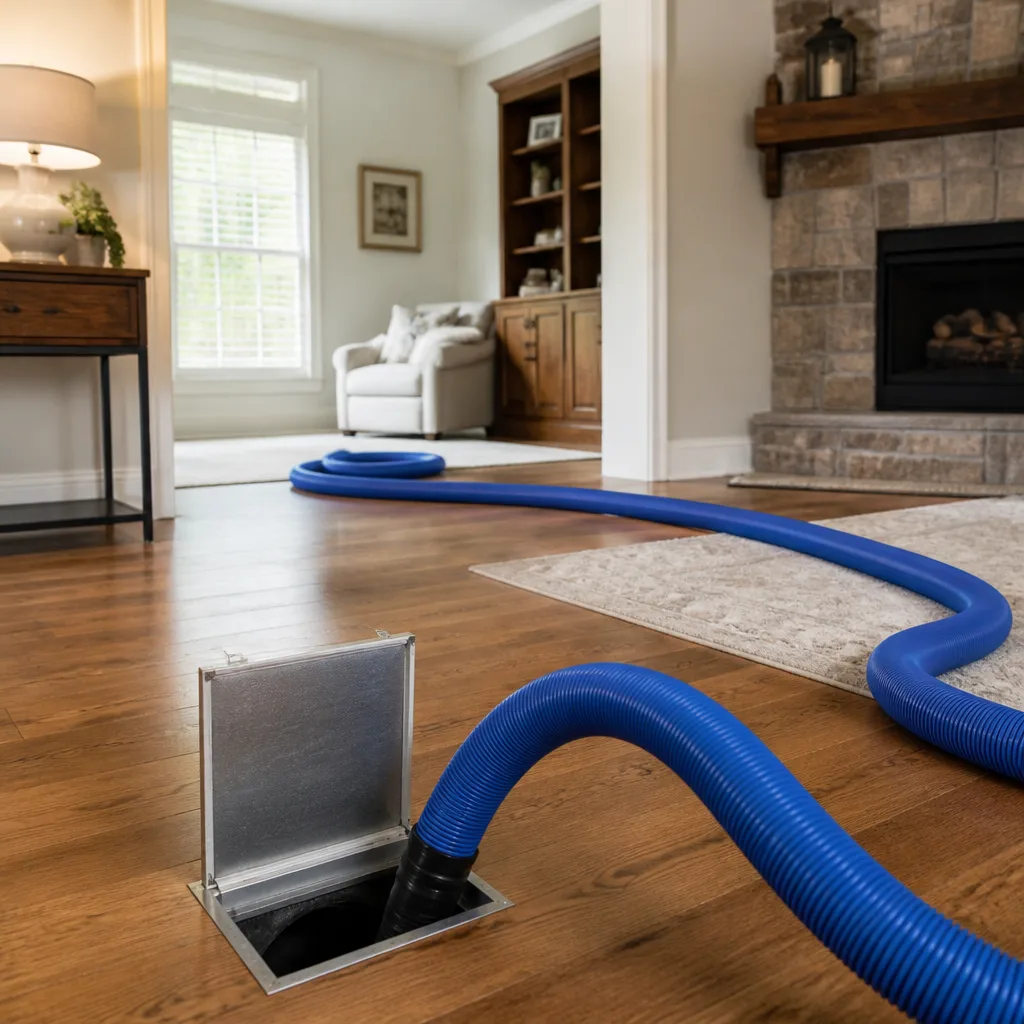 Whole-home duct cleaning
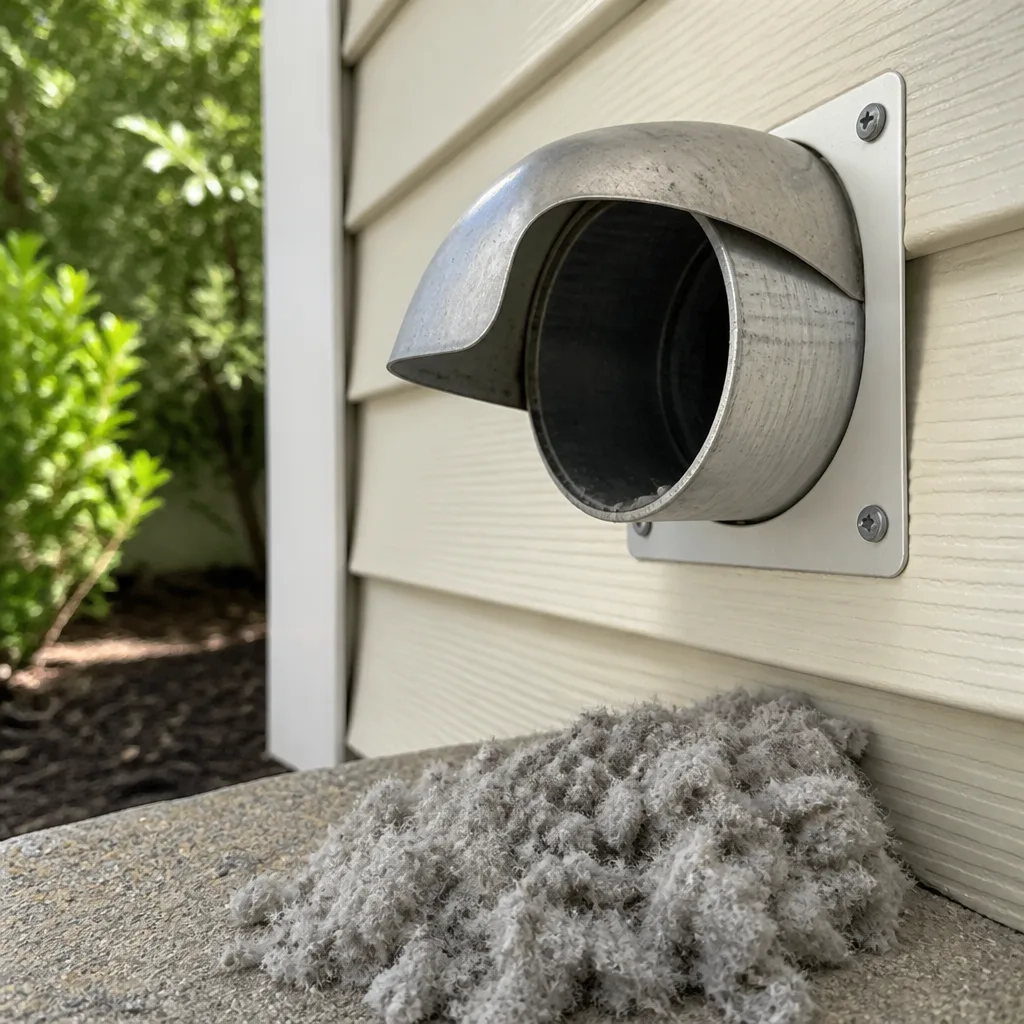 Dryer vent cleaning
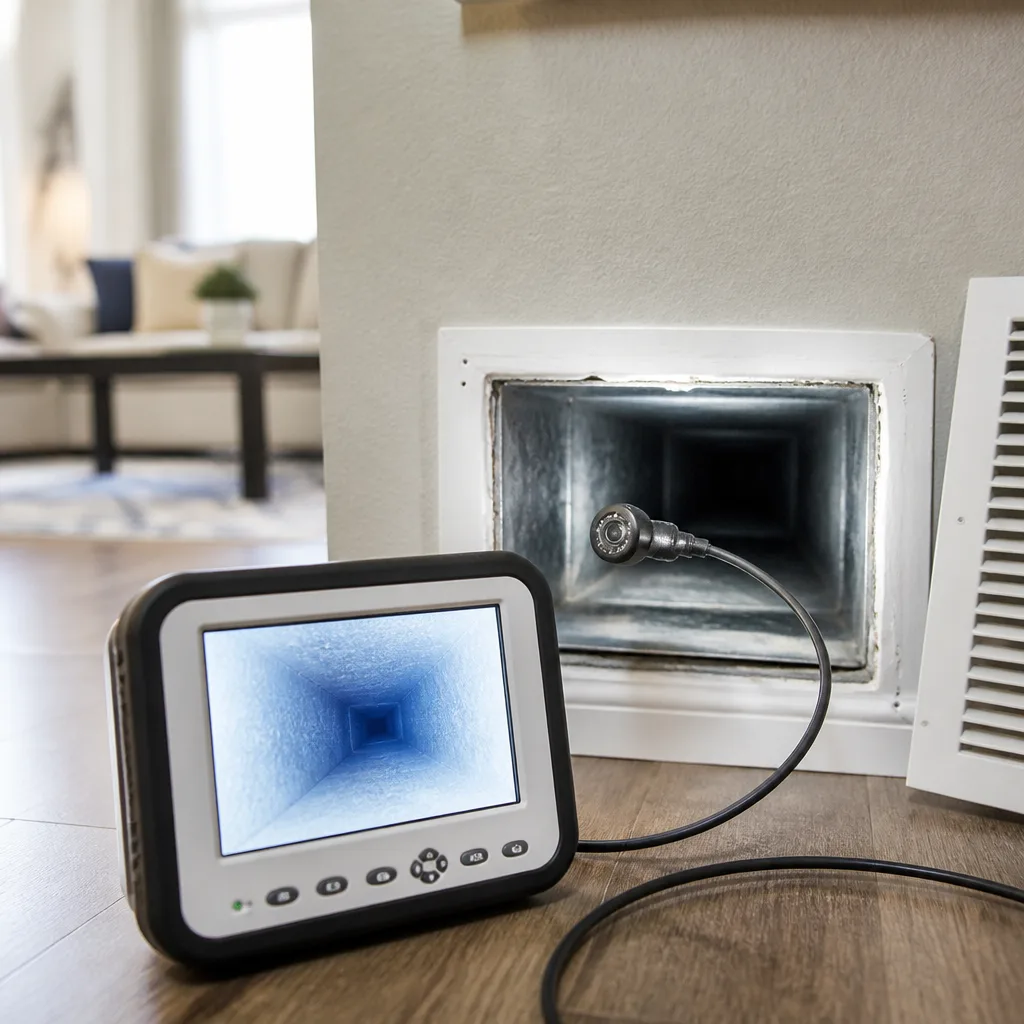 Camera inspection
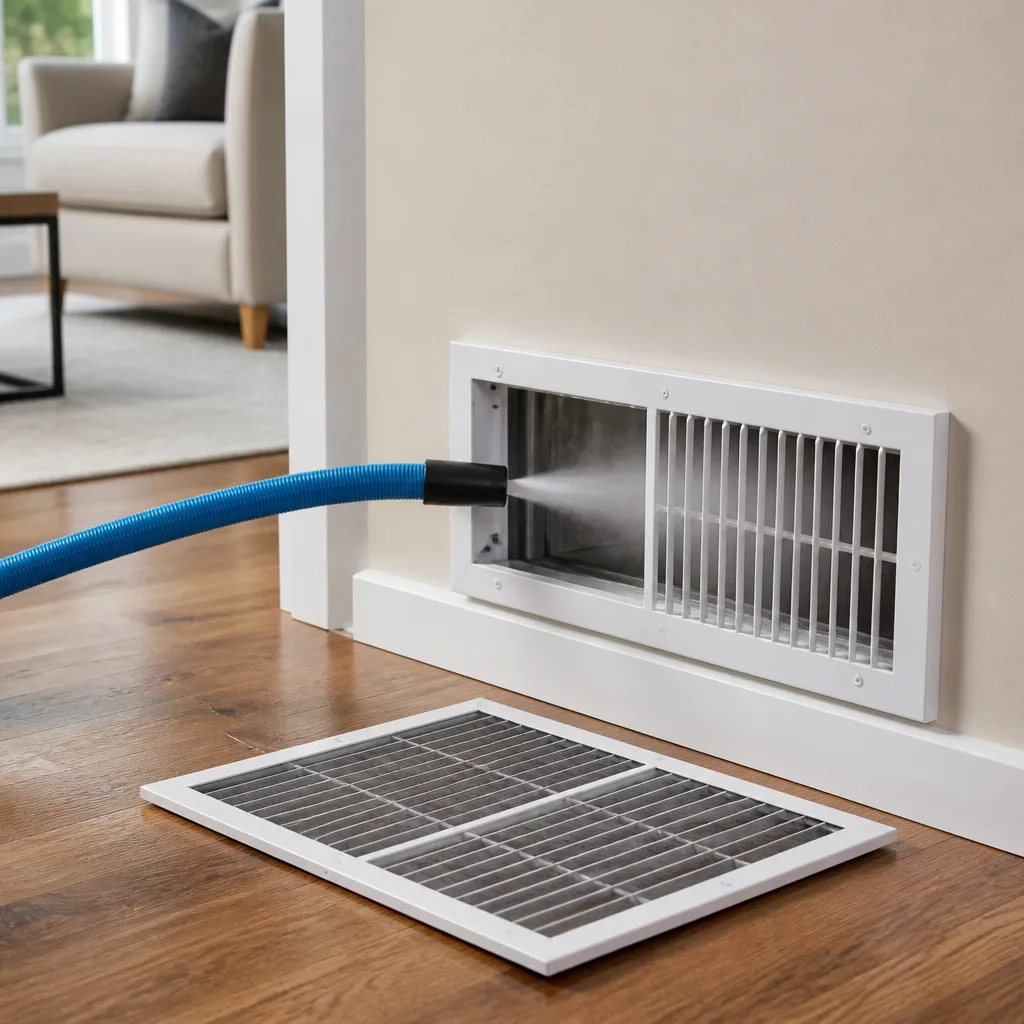 Sanitizing & deodorizing
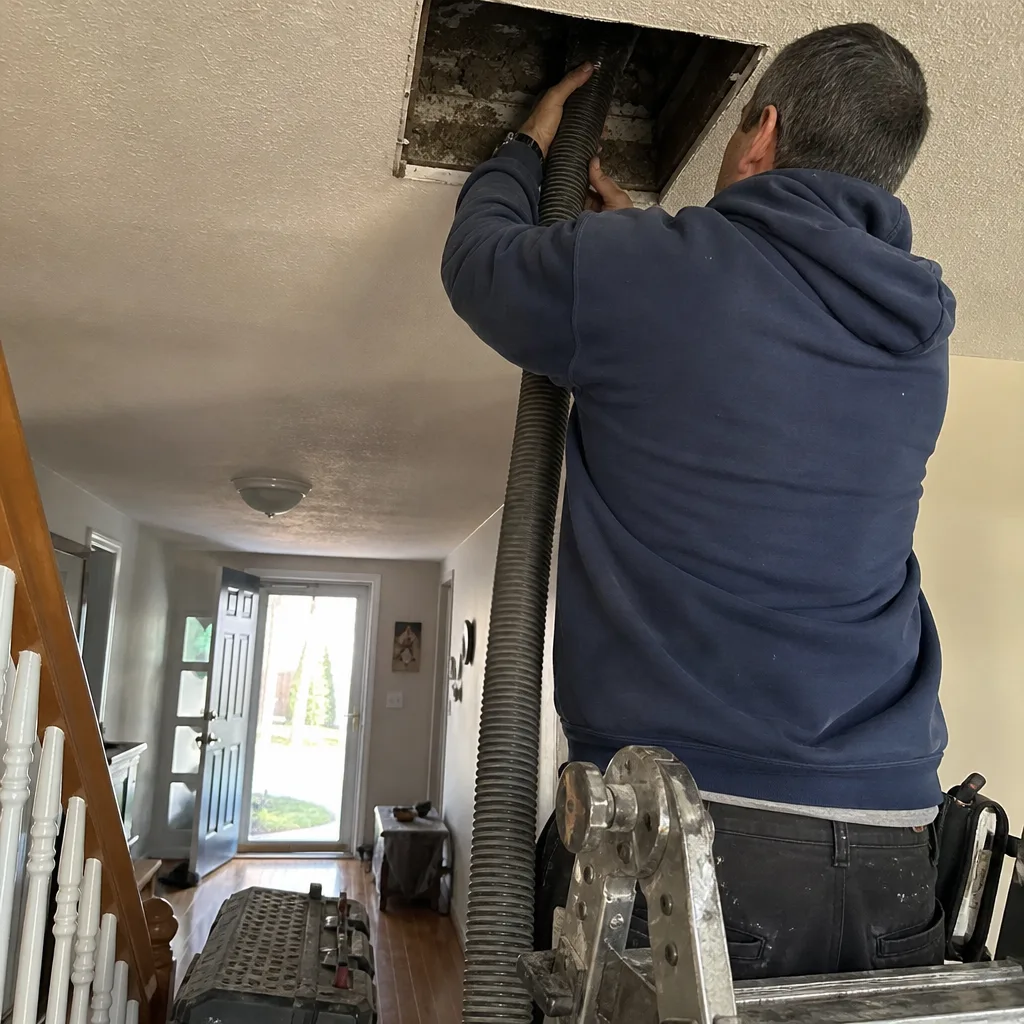
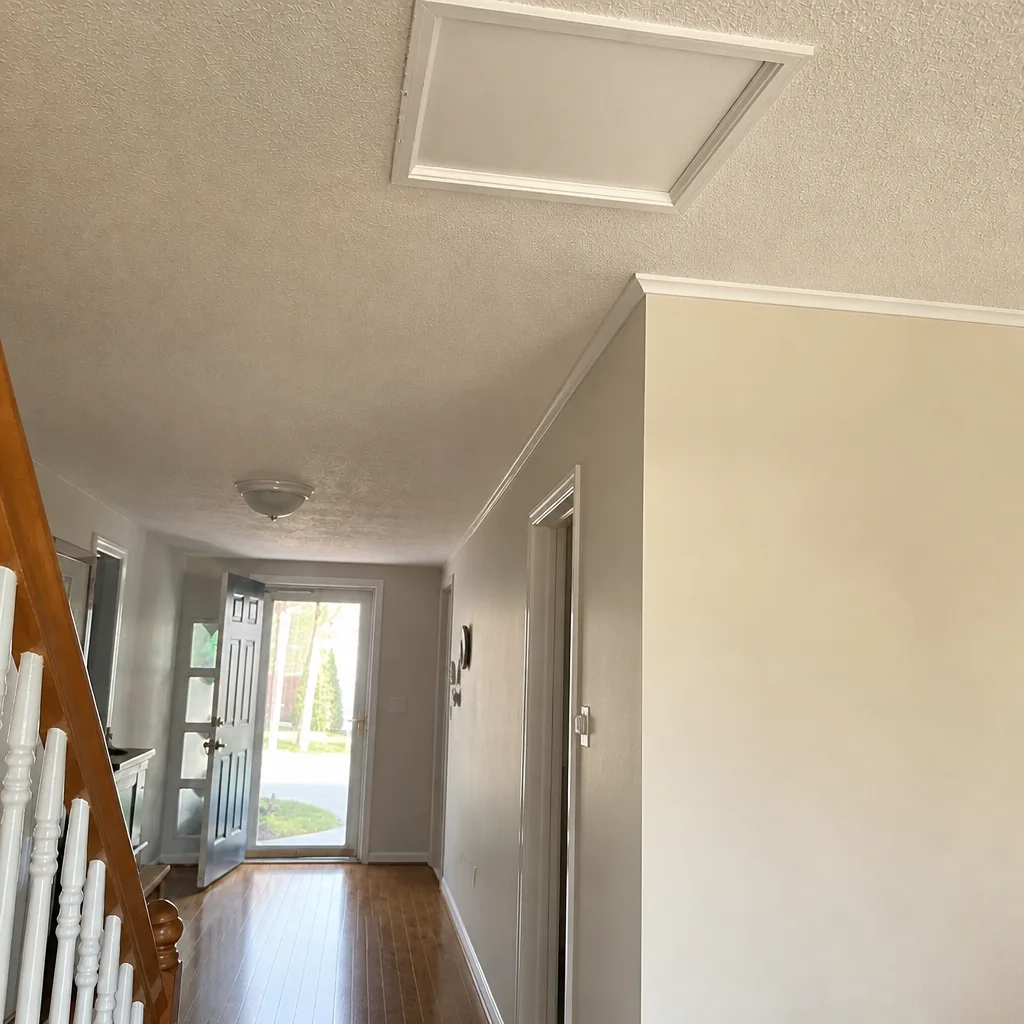
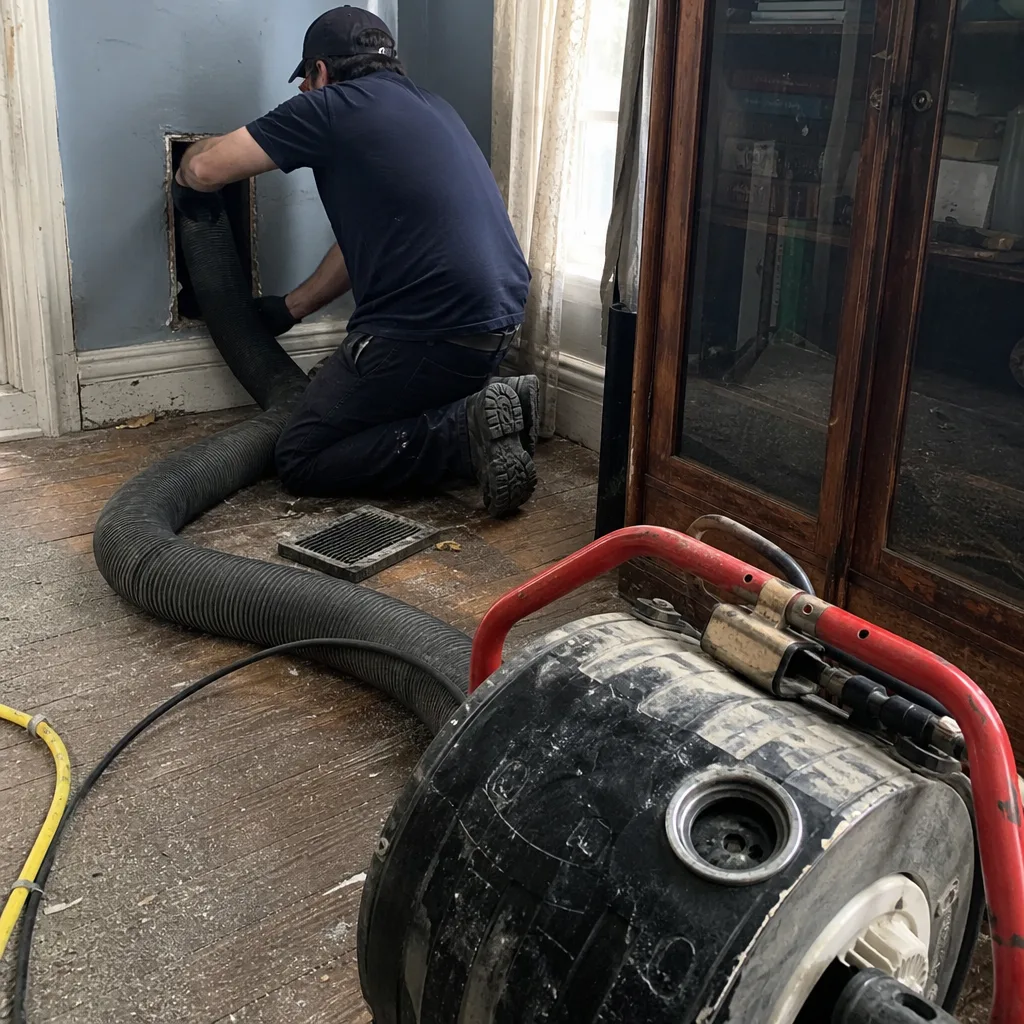
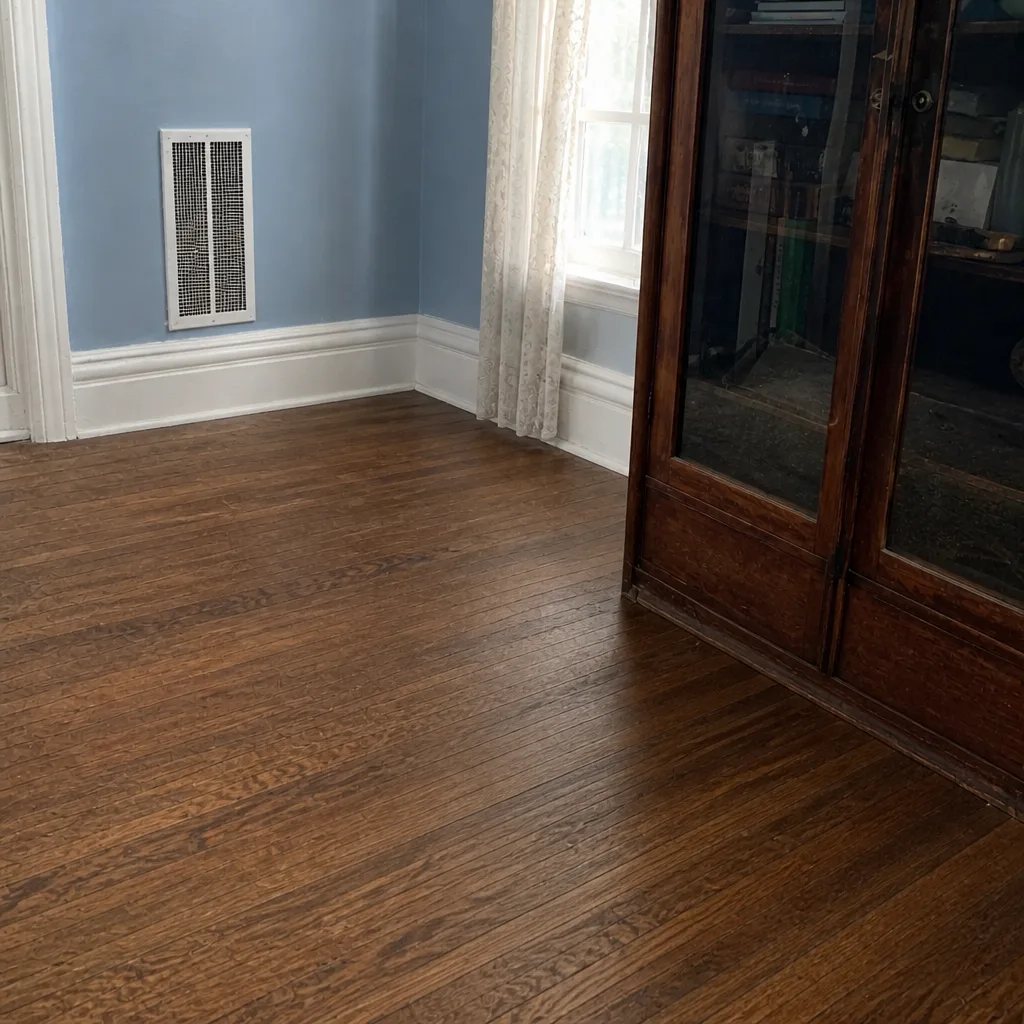
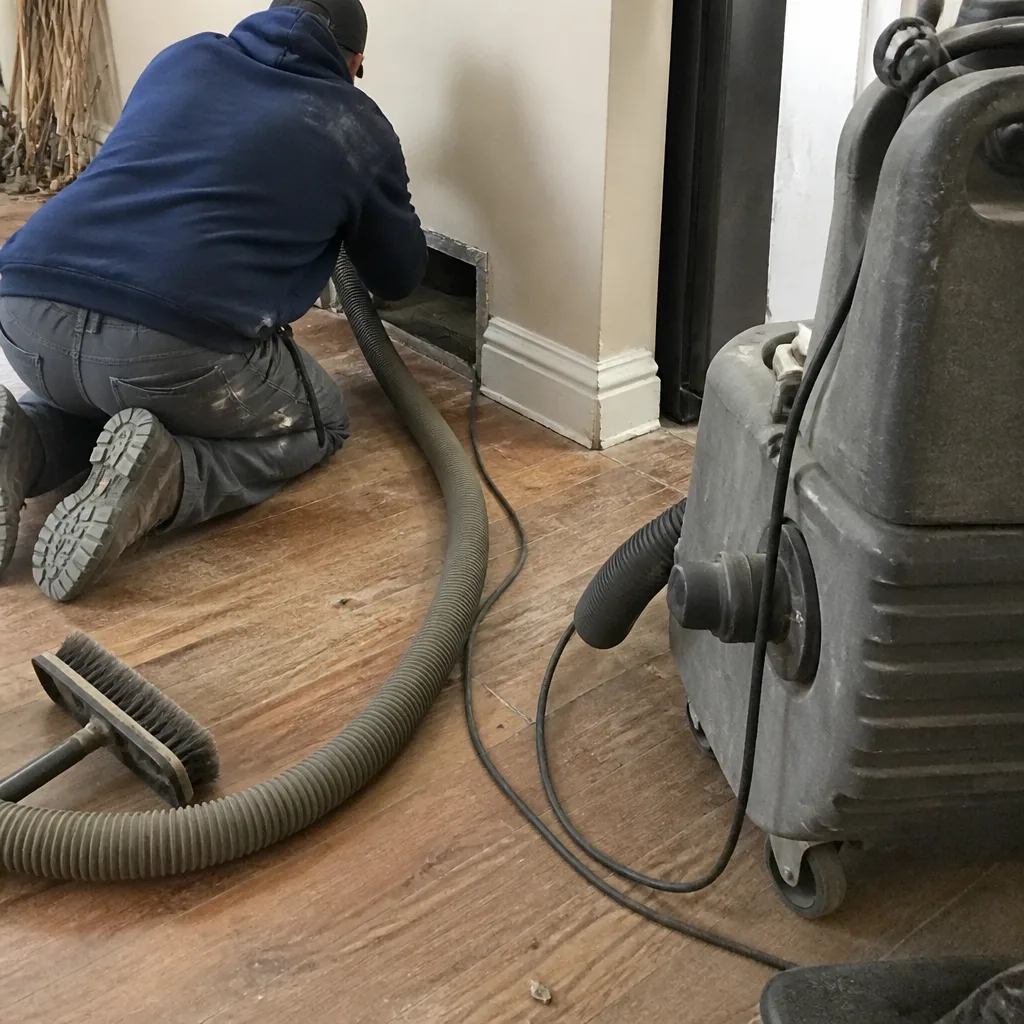
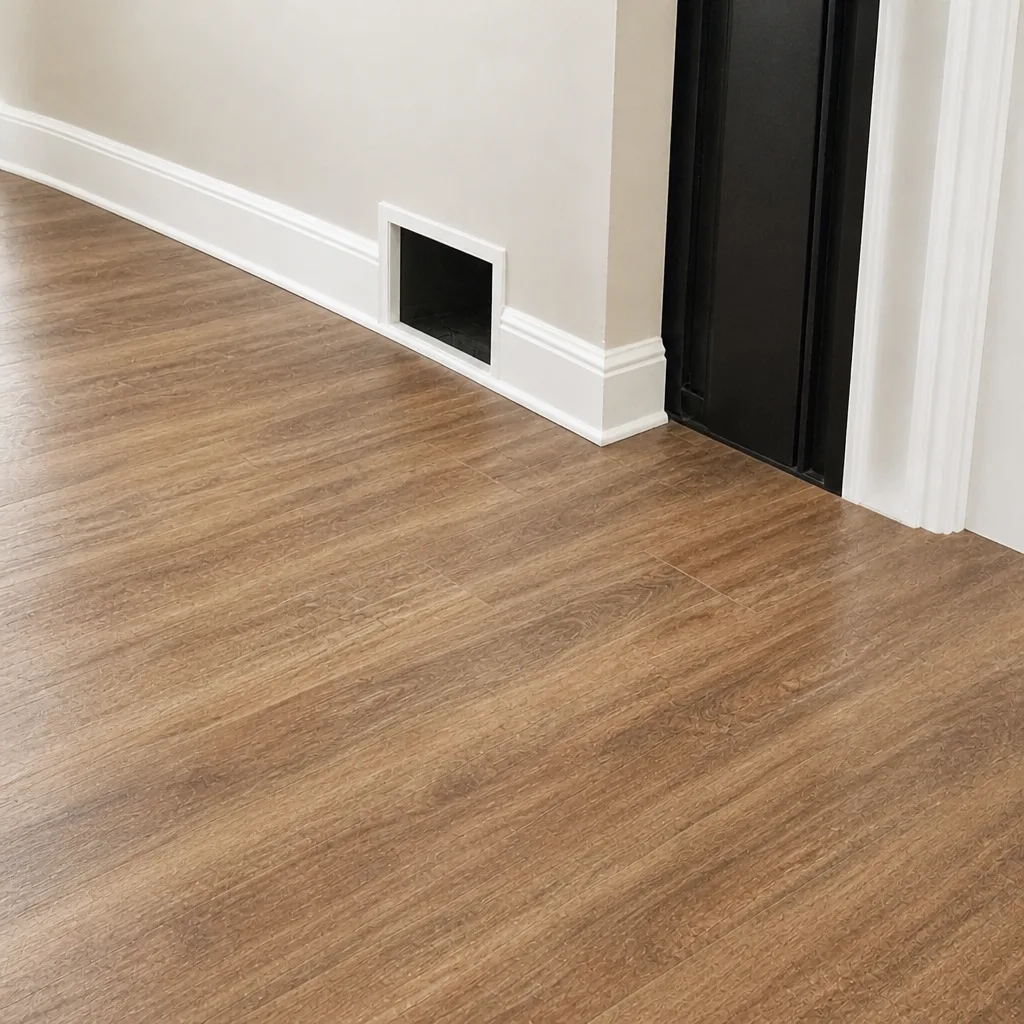
Whole-system duct and dryer vent check with before-and-after photos - you see exactly what came out of your vents
That "$99 whole-house special" is a bait ad - the real number appears once they are in your hallway, or the "clean" is a shop-vac at the register. We photograph the inside of your ducts before and after instead.
Air Duct Cleaning Permits, Codes & Inspections in Rhawnhurst, PA: What You Need to Know
No permit is required to clean your air ducts. But if a technician recommends encapsulant coating, replaces a duct section, or performs mold remediation during the same visit, you may have just had unlicensed construction work done in your home without realizing it. That gap between “cleaning” and “construction” is where most homeowners get into trouble, and almost nobody explains it before the invoice is signed. In this guide we walk through what Pennsylvania’s code actually covers, when mold work turns into a licensed trade, how Philadelphia-area inspections treat HVAC-adjacent work, what encapsulant means for a future sale, and how to protect yourself on paper. If you live in Rhawnhurst and you’re booking duct service this year, read the scope section before you book.
Styles & brands we work with
- Whole-home duct cleaning
- Dryer vent cleaning
- Camera inspection
- Sanitizing & deodorizing
Quick Answer
Routine air duct cleaning in Rhawnhurst and across Pennsylvania does not require a permit – cleaning is maintenance, not construction. A permit and code compliance can enter the picture when the job involves modifying ductwork, adding or relocating duct runs, applying encapsulant or sealant coatings inside the system, or performing mold remediation, which falls under Pennsylvania’s mold contractor requirements. Ask for cleaning and remediation scopes to be listed separately on the written estimate so you know which work is maintenance and which is regulated.
Table of Contents
- Cleaning vs. Construction: Where the Line Falls
- What the Pennsylvania Uniform Construction Code Says About Ductwork
- When Mold Remediation Triggers Licensing Requirements
- How Philadelphia-Area Inspections Differ From the State Baseline
- Encapsulant and Sealant: Resale Disclosure Consequences
- How to Ask for Cleaning and Remediation on Separate Scopes
- Equipment and Verification: What a Real Job Looks Like
- Common Mistakes to Avoid
- When to Call a Professional
- Frequently Asked Questions
- The Bottom Line
Cleaning vs. Construction: Where the Line Falls
The distinction matters because it decides who’s allowed to do the work and whether your municipality has any say. Cleaning removes accumulated dust, debris, and biological growth from the inside of duct surfaces using negative-pressure vacuum equipment. Construction changes the physical system – new duct, relocated runs, sealed joints with mastic or coating, replaced components. One is maintenance. The other is regulated work, and the boundary is often crossed without anyone saying so.
Here’s how the two categories break down in practice:
- Cleaning (no permit): brush and vacuum extraction of duct interiors, register and grille cleaning, blower and coil cleaning as part of an HVAC cleaning visit, dryer vent clearing.
- Repair (usually no permit for like-for-like): reconnecting a disconnected flex run, re-securing loose insulation, patching a pinhole leak in flexible duct with approved tape. Structural changes and new rigid duct runs generally do need a permit through the local code office.
- Modification (permit may apply): adding supply or return runs, relocating a trunk line, changing duct sizing, or tying a new system into an existing trunk.
- Encapsulant or sealant within the airstream (permit and product documentation): coating interior surfaces with a sealant designed to lock down particulates.
- Mold remediation (licensed trade in Pennsylvania): any work specifically to remove or treat mold growth, as opposed to general cleaning that happens to remove dust.
In Rhawnhurst’s older rowhouse stock, the boundary gets crossed more often than homeowners expect. Duct systems from mid-century construction often have failing joints, sagging flex runs, and coating applications from previous owners that a technician will flag during inspection. That’s fine – it’s the honest reporting. What matters is whether the person recommending the fix is licensed to do the fix, and whether the written scope distinguishes it from the cleaning job you called about. When those two things stay separate, you’re protected. When they blur, you’re exposed.
What the Pennsylvania Uniform Construction Code Says About Ductwork
Pennsylvania’s Uniform Construction Code (UCC) is the state’s baseline building code, and it adopts the International Residential Code and International Mechanical Code as its technical standard. Duct cleaning is not addressed in the UCC because cleaning isn’t construction. Duct installation, alteration, and replacement are addressed, which is why a permit can enter a job that started as a $400 cleaning estimate.
The UCC’s mechanical provisions cover duct sizing, materials, sealing requirements at joints, and clearances to combustibles. Those provisions apply to new installations and to alterations – meaning any work that changes the physical configuration of the duct system. In Rhawnhurst, where many homes have been re-ducted or have had additions over the decades, the state baseline applies, and the actual permitting authority rests with the local municipality (in Philadelphia, the Department of Licenses and Inspections).
Here’s the practical order homeowners should walk through when work is being recommended:
- Ask directly whether the work is “cleaning, repair, or modification.” Get the answer in writing.
- If the answer is modification, ask whether the contractor is pulling a permit with the local code office.
- If the answer is “no permit needed,” ask why – what code section, what scope, what specific work.
- If the answer involves coating, encapsulation, or mold, ask about licensing and product documentation.
- Ask for before-and-after photos on anything you’re paying for, cleaned or repaired.
None of this is adversarial. The contractors worth hiring have answers ready because they get asked. When they don’t, that tells you something.
When Mold Remediation Triggers Licensing Requirements
Pennsylvania regulates mold remediation as a distinct trade, separately from general construction. The state’s Mold Remediation and Abatement Standards apply to contractors performing work whose purpose is to remove, contain, or treat mold growth – not to contractors who happen to find discoloration during a routine duct cleaning and report it as part of their inspection.
The line that matters: cleaning that removes dust and biological debris from a duct interior is maintenance. A scope that says “mold remediation” or “mold abatement” and is priced as a discrete service is regulated work. If the scope uses the word “remediation” but the contractor can’t tell you what standards they follow, ask them to restate the scope as cleaning. If they can’t or won’t, call someone who can.
In our experience on Rhawnhurst jobs, the pattern that catches homeowners is this: an inspection finds visible growth around a cooling coil or on the inside of a return plenum, the technician recommends “remediation,” and the price jumps. Sometimes that’s legitimate – there really is growth, and the coil area needs treatment beyond standard cleaning. Sometimes it’s a scope inflation technique that adds revenue without adding regulatory accountability. The distinguishing factor is documentation.
Ask for these three things when remediation is recommended:
- A written description of what was found, where, and how it was identified.
- The name of the product being applied, if any, and the manufacturer’s technical data sheet.
- The name and contact information of the licensed remediation firm, if a separate firm performs that portion of the work.
If any of those three is missing, treat it as a red flag and pause the job. A company structured as a full-system specialist – running equipment like Rotobrush and Nikro to clean, with separate scope language for remediation – makes this easy to navigate. A company that blurs the two is harder to hold accountable later.
How Philadelphia-Area Inspections Differ From the State Baseline
Pennsylvania sets a baseline through the UCC. Local municipalities run their own permitting and inspection processes on top. In Philadelphia, that means the Department of Licenses and Inspections (L&I); in the suburban counties, it’s the township or borough code office. Rhawnhurst sits inside Philadelphia, so L&I is the permitting authority for work that requires a permit there.
What L&I inspectors actually check when duct-adjacent work is permitted:
- Duct materials meet the code-listed standards for the application (rigid vs. flexible, fire-rated where required).
- Joints and seams are sealed to the code-required level.
- Clearances to combustibles are maintained, especially near furnaces and water heaters.
- Support spacing and sag limitations are respected on flexible duct runs.
- Return air paths are not drawing from prohibited locations (garages, mechanical rooms with combustion appliances).
Cleaning, as stated, falls outside this process. That’s a common source of confusion for homeowners who hire a cleaning crew and then get a follow-up recommendation for duct repair – the repair may require permitting the cleaning crew doesn’t handle, and the homeowner finds out weeks later when L&I or a contractor raises the question. If you’re in Rhawnhurst and a technician recommends anything beyond cleaning, ask: “Does this require a permit through L&I?” The answer should come back in seconds, in either direction. If it doesn’t, the recommendation isn’t ready for you to approve.
Note also that many Philadelphia rowhouses in this area share wall structures or have ductwork running through concealed chases. Any alteration to ductwork that touches fire-blocking or penetrates a rated assembly triggers a separate code question beyond the mechanical code. Cleaning never does. Modification sometimes does.
Encapsulant and Sealant: Resale Disclosure Consequences
Encapsulant coatings are spray-applied products that seal the interior surface of ductwork to lock down residual dust and biological material after cleaning. They serve a real purpose in some systems – heavily soiled ductwork that can’t be fully cleaned to bare metal benefits from a coating barrier. But they change what’s in your home’s airstream, and because of that, they can affect resale disclosures.
Pennsylvania’s residential seller disclosure requirements include conditions known to the seller that materially affect the property. Encapsulant application is one of those grey areas where a buyer’s inspector might ask “what’s coating the inside of the ducts” and the seller needs an honest answer with documentation. Homeowners who had coating applied during an unrelated cleaning visit often don’t have that documentation, because it wasn’t presented as a separate scope at the time.
The practical protection is straightforward:
- Before any coating is applied, ask what product, from what manufacturer, and why.
- Ask for the manufacturer’s technical data sheet and safety data sheet (SDS) – both are standard for sealant products sold to contractors.
- Keep the invoice in your home records, separately from routine cleaning invoices.
- Confirm in writing that the coating is intended for use inside HVAC airstreams (not just on exterior duct wrapping).
- If you’re selling within a few years, disclose the application the same way you’d disclose any system modification.
We recommend encapsulant when the system genuinely needs it – heavily soiled ductwork, coil-adjacent contamination that resists extraction, or a joint-sealant application where a proper mastic wasn’t feasible. We recommend it as an explicit, separately scoped service, not as an add-on buried in a cleaning invoice. Anyone who recommends it as “part of the package” without a separate line item is creating documentation problems for you later. That’s not a small thing when you go to sell a Rhawnhurst home and a buyer’s inspector crawls into the basement.
How to Ask for Cleaning and Remediation on Separate Scopes
This is the single most valuable habit you can build as a homeowner. Everything above becomes navigable when the scope is written in plain language, on paper, before the work starts. Here’s how to ask, in the order we recommend:
- Ask for the estimate to have two sections. Section A: cleaning scope (what’s being cleaned, how, with what equipment). Section B: any repair, modification, coating, or remediation work being recommended.
- Ask for pricing on each section independently. You can approve A without B, or B without A. A legitimate contractor will structure this without pushback.
- Ask each section to name its licensing basis. Section A: “maintenance, no permit required.” Section B: either “licensed trade, license #” or “permit required through L&I, permit #.”
- Ask for photo documentation before and after. Not stock photos – photos of your system, from your addresses, at your visit.
- Ask what your total will be, in writing, before the equipment comes inside. One flat price per system. No per-vent pricing that balloons as more vents are “discovered.”
Companies structured to do this without friction tend to be full-system specialists rather than pure cleaning outfits. Air Duct Cleaning Rhawnhurst separates cleaning, repair, and sanitizing scopes because our service menu covers all three – air duct cleaning, dryer vent cleaning, HVAC cleaning, duct repair and sealing, and air quality sanitizing are all distinct services, so scoping them separately is the natural way we work rather than a special request. That matters when you’re comparing proposals: a company that only cleans ducts will scope everything as cleaning, whether or not that matches the work. A company that also repairs and seals ducts is forced to tell you which is which, because the invoice has to. If you want to see how that split looks on paper before you call, the main Air Duct Cleaning Rhawnhurst page lays it out.
If you’re shopping by price and every quote you receive is one line item, that’s a sign the contractor isn’t ready to separate maintenance from regulated work. It’s not automatically disqualifying, but it’s worth asking about before you sign.
Equipment and Verification: What a Real Job Looks Like
Code compliance is the legal side of a duct job. Equipment is the practical side, and the two overlap more than people think: a company that runs proper negative-pressure equipment is a company whose cleaning scope is genuinely cleaning, not a scrubbing motion that fails to remove material. We’ve seen jobs in Rhawnhurst where a low-bid crew’s shop vac lifted surface dust but left the settled material in the trunk line, and the “cleaning” invoice became a baseline for a follow-up remediation recommendation. That’s a scope problem created by an equipment problem.
Here’s what proper equipment looks like on a residential job:
- Rotobrush rotary brush systems for contact-based cleaning of flexible and rigid duct interiors. The brush agitates; the vacuum extracts.
- Nikro HEPA vacuum units running at negative pressure on the system so dislodged material is captured rather than redistributed into the house.
- Abatement Technologies air filtration positioned in the work area to capture any material that escapes the primary vacuum path – a containment layer, not a replacement for the primary vacuum.
- Inspection cameras to verify what the duct interior looked like before and after – critical for photo documentation.
A job without at least the first two of those isn’t really cleaning; it’s surface wiping with airflow. A job without photos isn’t verifiable. We work with Honeywell and Aprilaire filtration products because the diagnostic that happens during cleaning tells us what filter the system can actually support – a recommendation you can only make honestly after you’ve seen inside the return plenum and coil area. That’s the difference between a filter subscription and an actual product recommendation tied to the system in front of us. The equipment list is not a marketing detail. It’s the practical floor for a cleaning scope that holds up when someone downstream asks what was done.
Common Mistakes to Avoid
The mistakes we see most often on Rhawnhurst jobs aren’t dramatic – they’re small documentation gaps that become large problems when work is questioned or a house is sold.
- Approving an add-on service verbally. If a technician recommends encapsulation or duct repair during the visit and you say “sure, go ahead,” you’ve created an undocumented scope. Ask for it in writing before work starts, even if it means a follow-up visit.
- Treating “duct cleaning” as a single category. Cleaning, repair, sealing, coating, and mold remediation are five different things with different code and licensing treatment. A single-line invoice that covers all of them isn’t a service; it’s a description problem.
- Skipping the license question when remediation is recommended. If the word “remediation” appears on the scope, ask for the license. A cleaning crew that recommends remediation without licensing is telling you to hire someone else, even if they don’t phrase it that way.
- Not checking whether a duct modification needs a permit through L&I. Rowhouses in Rhawnhurst often have duct runs through concealed chases and shared wall assemblies. A “minor reroute” that penetrates a rated assembly is not minor in the code’s eyes.
- Assuming the cheapest quote is the safest clean. A low quote often omits documentation, equipment, or scope. You end up paying twice – once for the job, once for what the first crew didn’t handle.
- Losing the invoice after encapsulant is applied. Keep the product data sheet in your home records. It’s a disclosure item at resale, and reconstructing it years later is harder than keeping it now.
- Comparing proposals without comparing scopes. Two quotes that say “$499 duct cleaning” may not cover the same work. Read the scope, and if the scope is one line, ask for a more detailed version.
When to Call a Professional
Some duct work is maintenance you could technically read about. But most of what goes wrong in a Rhawnhurst home is the intersection of an aging system, code requirements, and a clean-out that’s overdue. Call a professional when any of the following is true: you’ve never had the ducts cleaned and the system is older than you can track; someone in the house has respiratory problems and the ducts haven’t been inspected; you’ve just finished a renovation and drywall dust is still settling; a technician has recommended anything beyond cleaning, including coating, repair, or remediation; or your dryer vent cleaning hasn’t been done and the dryer runs hot or takes multiple cycles. Air Duct Cleaning Rhawnhurst offers free estimates in Rhawnhurst – call (888) 301-3197. Our technicians have up to 13 years of experience separating cleaning scope from repair scope, and the estimate walks through both before you commit to anything.
Frequently Asked Questions
No – routine air duct cleaning in Rhawnhurst does not require a permit. Cleaning is classified as maintenance under Pennsylvania’s Uniform Construction Code, not construction. A permit only comes into play when the job involves modifying ductwork, adding or relocating runs, applying encapsulant coating inside the airstream, or performing mold remediation. Call (888) 301-3197 for an exact quote – estimates are free.
Pennsylvania treats mold remediation as a distinct licensed trade, separate from general duct cleaning. If the scope of work uses the word “remediation” or “abatement” and is priced as a discrete service, ask for the license. If the work is genuinely just removing accumulated dust and biological debris from a duct interior with negative-pressure equipment, it’s cleaning, not remediation, and doesn’t require the remediation license. Call (888) 301-3197 if you want the scope separated on paper – estimates are free.
Encapsulant application inside the airstream is a grey area that depends on the specific scope and how the work is classified. A joint-sealing application with mastic is generally treated as repair. A spray-applied coating on duct interior surfaces is closer to modification and may require a permit through the Department of Licenses and Inspections. Ask the contractor which category they’re billing it under, and get that in writing before work starts. Call (888) 301-3197 to walk through the scope of your specific job – estimates are free.
Pennsylvania’s code baseline is the same across the state, but the physical structure of a Rhawnhurst rowhouse raises more code questions than a suburban single-family home. Duct runs through concealed chases, shared wall assemblies, and older fire-blocking details mean any alteration to ductwork can trigger a separate code review at the point where it penetrates a rated assembly. Cleaning never raises those questions. Modification sometimes does. Call (888) 301-3197 for an estimate – the scope conversation is part of the free walkthrough.
Cleaning is maintenance – removing accumulated dust and debris from duct interiors. Repair is reconnecting disconnected runs, patching leaks, re-securing insulation, and re-establishing the system as it was. Modification is changing the physical configuration, and remediation is work whose purpose is to treat mold growth specifically. Only the last two categories carry licensing or permitting implications. If your invoice doesn’t distinguish them, ask for a rewritten scope. Call (888) 301-3197 – estimates are free and scopes are separated by category.
Ask for before-and-after photos of your own duct interiors and, ideally, a brief video walkthrough from the inspection camera. Both are standard for a company running Rotobrush rotary brush systems and Nikro HEPA vacuum units, because the equipment generates the documentation naturally. If a contractor can’t show you photos, you can’t verify the job. Call (888) 301-3197 for an estimate – before-and-after photos come with every job, and the estimate walks through what’s covered.
The Bottom Line
Air duct cleaning in Rhawnhurst is not a permittable activity. Cleaning is maintenance, and cleaning is what most homeowners actually need. But the moment a job includes repair, modification, coating, or mold remediation, the rules change – and the person doing the work must be licensed and permitted for that scope. The safest practice is simple: ask for the scope in writing, in categories, with pricing split. Ask what licensing or permitting basis applies to each section. Ask for photos of your own system. A full-system specialist working with real equipment (Rotobrush, Nikro, Abatement Technologies) and product knowledge tied to actual system conditions (Honeywell, Aprilaire) will answer all of that without pushback. For a careful, code-aware approach to air duct cleaning, the scope conversation is the first thing that happens – not the last.
Call (888) 301-3197 for a free estimate. We answer 24/7. Fast dispatch from 7am to 7pm, Sunday through Friday, closed Saturday. Estimates are free, and the written scope separates cleaning from repair so you know exactly what you’re approving before any equipment comes inside.
Written by the team at Air Duct Cleaning Rhawnhurst.
See the difference
 Before
 After
 Before
 After
 Before
 After