
Last updated November 25, 2026
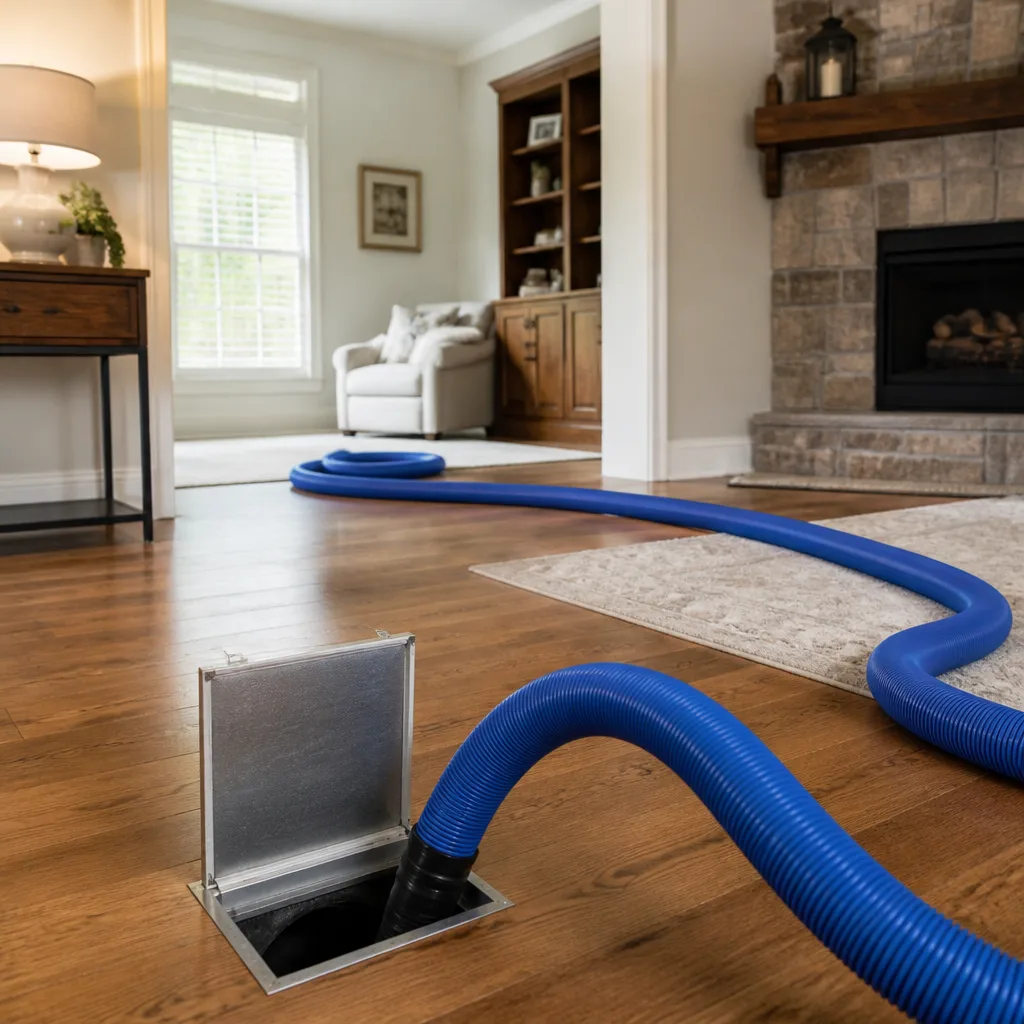 Whole-home duct cleaning
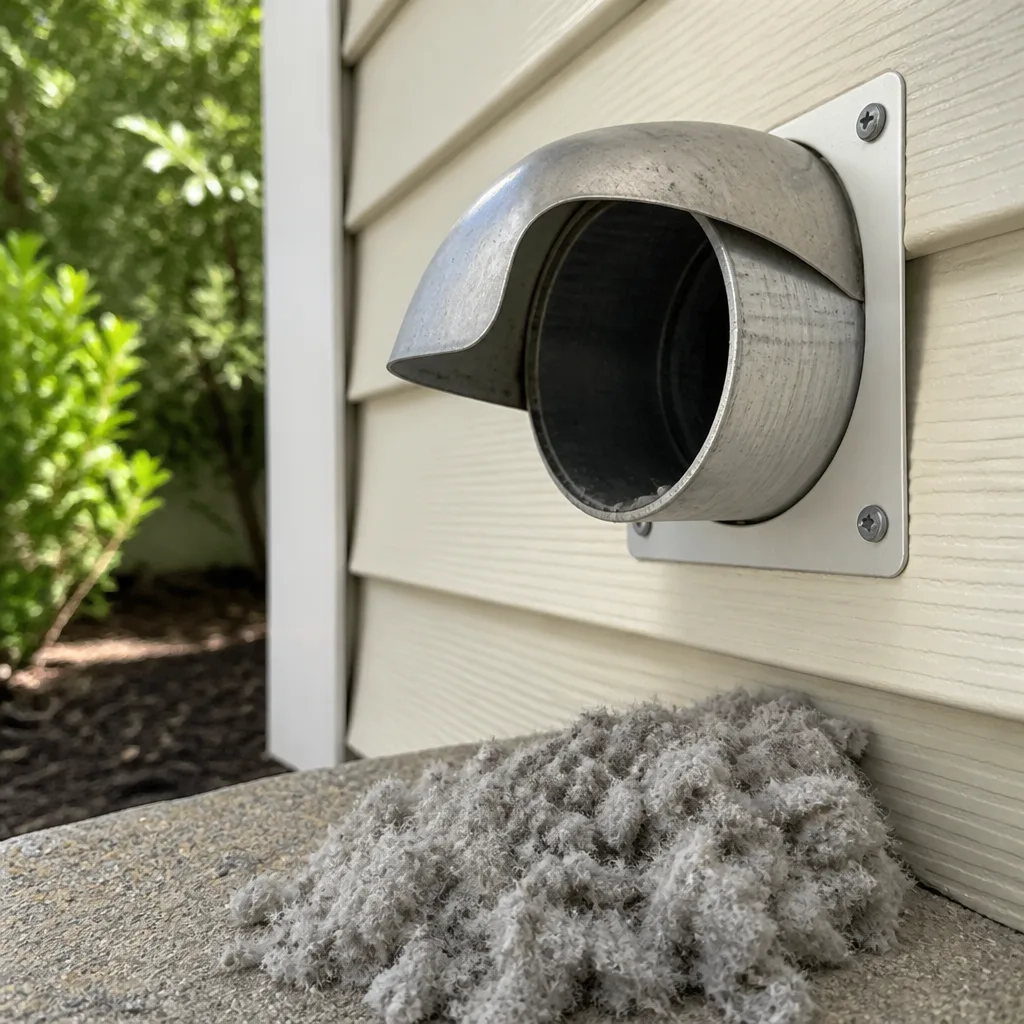 Dryer vent cleaning
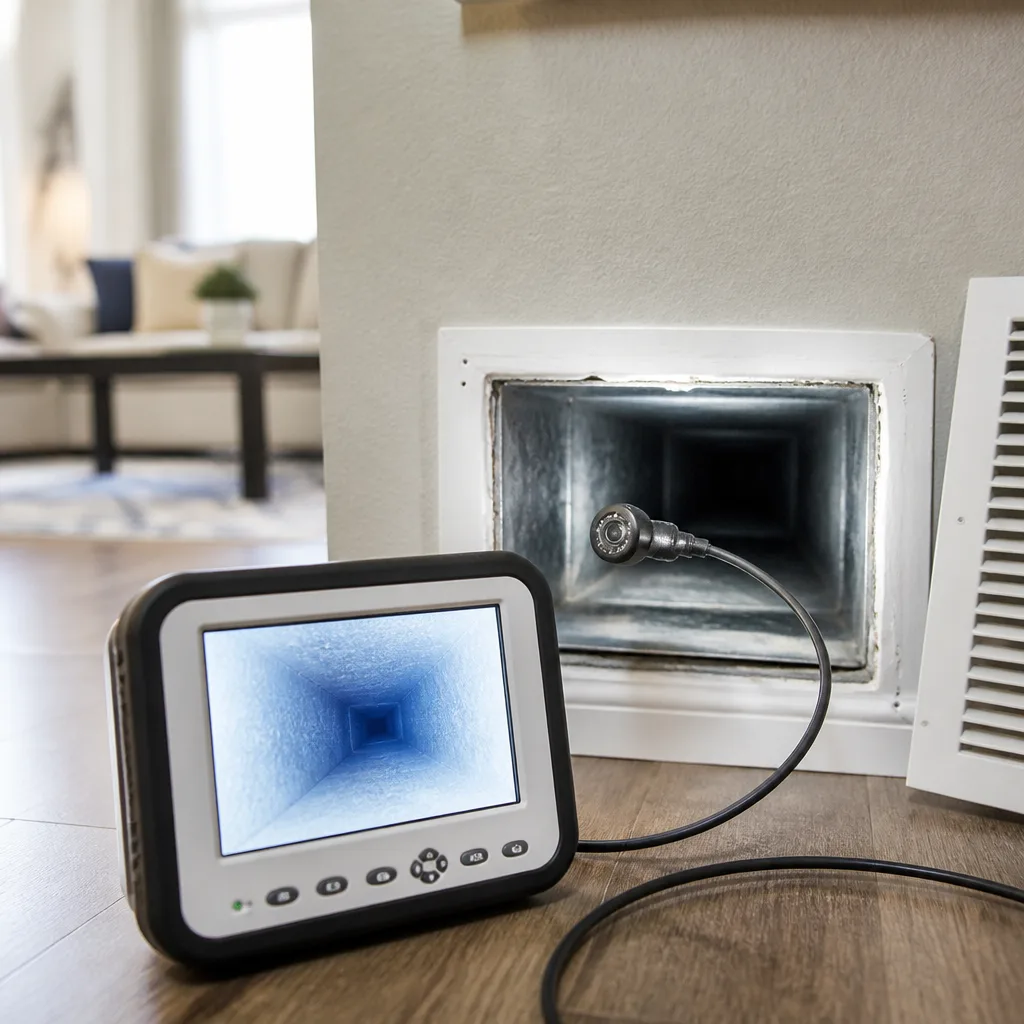 Camera inspection
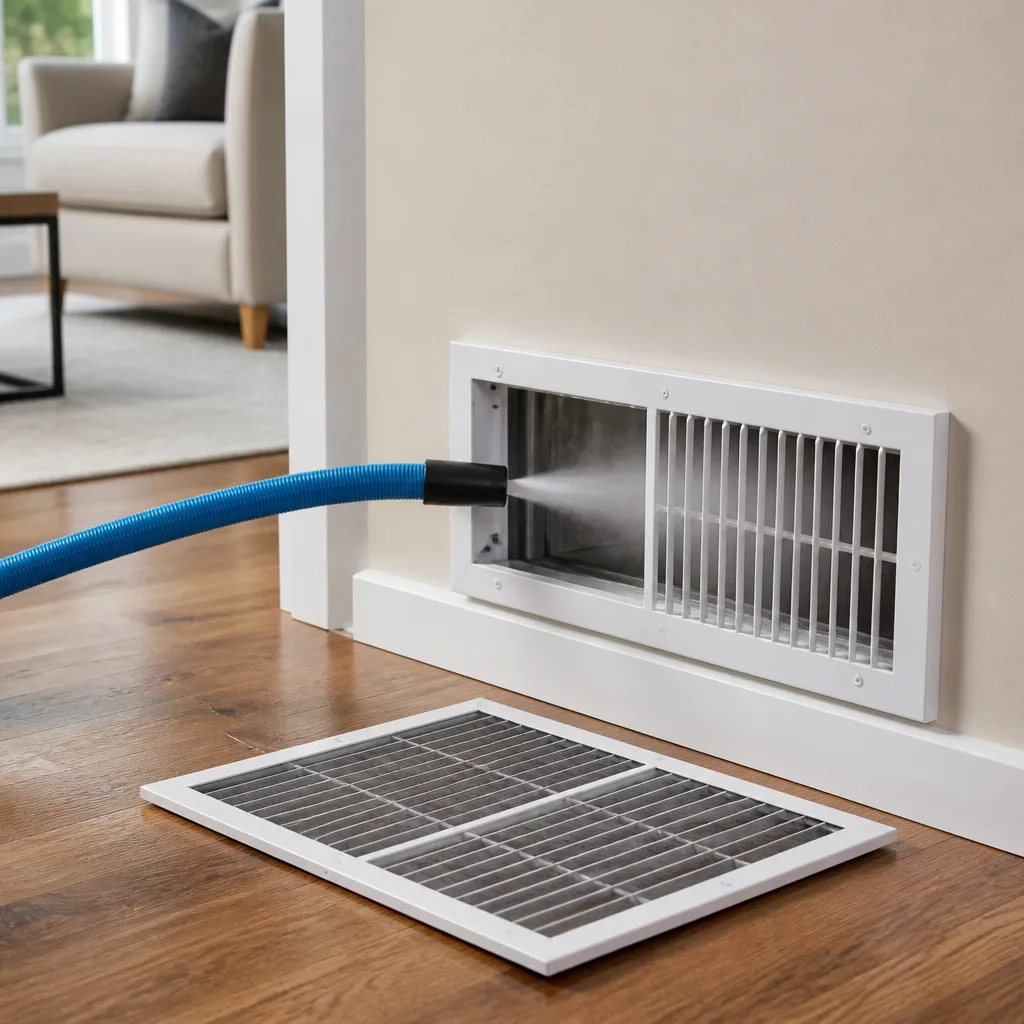 Sanitizing & deodorizing
Whole-system duct and dryer vent check with before-and-after photos - you see exactly what came out of your vents
That "$99 whole-house special" is a bait ad - the real number appears once they are in your hallway, or the "clean" is a shop-vac at the register. We photograph the inside of your ducts before and after instead.
The Complete Guide to Air Duct Cleaning in Rhawnhurst
A shop vac with a brush attachment costs less than a hundred dollars at any big-box store. The truck-mounted negative pressure rigs and HEPA vacuum systems that actually clean a duct system run into the tens of thousands. When a van pulls up outside a Rhawnhurst row home, most homeowners can’t tell which one is inside it, and a certain kind of contractor counts on that gap in knowledge. We wrote this guide to close it: how the equipment works, why negative pressure matters more than the brushing everyone films for social media, and how the duct layout of postwar Rhawnhurst housing changes what a real cleaning looks like. By the end you’ll be able to watch a technician work and know whether a proper job is happening.
Quick Answer
Air duct cleaning in Rhawnhurst means removing the accumulated dust, debris and contaminants from inside your duct system using negative pressure (a vacuum holding the whole system under suction) combined with mechanical agitation (rotary brushes and air whips knocking material loose). A proper job is source removal, not surface wiping: the debris leaves the house, captured in HEPA filtration, and you get before-and-after documentation of your own ducts. Costs are quoted per system, by written estimate, before any work begins.
Styles & brands we work with
- Whole-home duct cleaning
- Dryer vent cleaning
- Camera inspection
- Sanitizing & deodorizing
Table of Contents
- How Rhawnhurst’s Housing Stock Shapes Duct Cleaning
- What Negative Air Pressure Actually Means
- Source Removal vs. Surface-Only Cleaning
- What Rotobrush, Nikro and Abatement Technologies Each Do
- What a Full Cleaning Sequence Looks Like, Step by Step
- What a Finished Job Should Look Like on Inspection
- What Duct Cleaning Costs in Rhawnhurst
- How Often Your Ducts Really Need Cleaning
How Rhawnhurst’s Housing Stock Shapes Duct Cleaning
Rhawnhurst is overwhelmingly postwar housing: brick and stone row homes packed tight along streets like Castor and Large, plus a good number of split-levels and small singles from the same era. That matters for duct work because the systems in these homes were built with a specific geometry, and it’s not the geometry of a new suburban build.
The typical Rhawnhurst row home has a forced-air system squeezed into a narrow footprint. The supply trunk runs low through the basement, with short branch runs rising to first-floor registers. Returns are often undersized by modern standards, sometimes just a single central return pulling from a hallway. Split-levels add a wrinkle: trunk lines that jog between levels, which means more elbows, more transitions, and more places where debris settles and where a cleaning brush has to negotiate a turn.
What this means in practice:
- Access matters more than length. A short duct run with three tight elbows is harder to clean properly than a long straight run, because the brush has to be fed through each turn without binding.
- Basement trunks collect the most. Gravity sends dust down, and low-velocity sections of trunk near the furnace hold a surprising amount of it.
- Returns are easy to neglect. Many budget outfits clean the supply side and skip the return entirely. In a Rhawnhurst row home, the return is often where the worst buildup sits.
- Shared walls and tight lots mean less margin for sloppy work. A crew that doesn’t seal its vacuum connections properly can push dust into living space instead of capturing it.
Older homes here also mean older duct materials. Some Rhawnhurst systems still have interior duct board or flex runs that have degraded over time. A cleaning that’s done by brute force can tear flex liner; a proper technician inspects the material first and adjusts the tooling. If ductwork is loose, disconnected or crushed, cleaning alone won’t fix it, which is why Air Duct Cleaning Rhawnhurst pairs cleaning with in-house duct repair and sealing rather than handing you a list of problems and leaving.
What Negative Air Pressure Actually Means
Negative pressure is the single most important concept in duct cleaning, and it’s the one homeowners understand least. Here’s the plain version: before anyone touches a brush, a high-powered vacuum connects to the duct system and pulls the whole system into a state of suction. Air is being drawn inward through every register and seam. Then, when the technician dislodges debris inside, that debris has only one path to travel: toward the vacuum, not into your living room.
Without negative pressure, cleaning is theater. A brush goes into a duct, loosens a decade of dust, and that dust either floats back out through the register into the room or simply redistributes to another section of the duct. The homeowner sees a technician with a brush and assumes work is happening. Material is certainly moving. It’s just not leaving.
Three things make negative pressure work or fail:
- The vacuum has to be strong enough for the whole system. A portable shop vac cannot pull a full residential trunk and branch network into suction. Truck-mounted or high-capacity HEPA units are built for this; handheld vacuums are not.
- Every opening has to be sealed. Registers not being cleaned get covered and taped. Openings are sealed as the crew works around the system. If a technician leaves registers wide open while cleaning others, pressure drops and capture fails.
- The exhaust has to be filtered. The air leaving the system passes through HEPA filtration, which is why Abatement Technologies air filtration equipment belongs in the sequence. Without it, the vacuum simply relocates dust to the outdoors or, worse, back into the work area.
In a tight Rhawnhurst row home, that last point matters. There’s no wide side yard to dissipate exhaust. If a crew isn’t running proper filtration, the neighbors know they’re working. When you get a quote, ask directly whether the vacuum runs under negative pressure for the entire job and what filtration the exhaust passes through. A vague answer is your answer.
Source Removal vs. Surface-Only Cleaning
There are two ways to “clean” a duct, and they look almost identical for the first twenty minutes. Source removal means the accumulated material is physically dislodged and removed from the system. Surface-only cleaning means the visible interior of the duct gets wiped or lightly brushed while the settled debris layer stays put. One is duct cleaning. The other is a photo op.
How you tell the difference:
- Ask about the sequence. Source removal starts with negative pressure established, then agitation from the furthest register back toward the vacuum. Surface-only cleaning tends to start with a brush and no vacuum at all.
- Ask about the returns. A source-removal job includes the return side and often the furnace blower compartment (as part of HVAC cleaning, not duct cleaning alone). Surface-only quotes almost always price supply ducts only.
- Ask for before-and-after photos of your ducts. Not stock photos, not a website gallery. Photos of the specific ducts in your home, taken through an access point, timestamped and shown to you. This is the documentation standard we hold to and the fastest way to spot a contractor who didn’t do the work.
- Ask what happens to the debris. In source removal, it ends up in a collection chamber or HEPA bag and leaves the house with the crew. In surface-only cleaning, it often doesn’t leave at all.
Here in Rhawnhurst, where many homes sit on narrow lots with basements that see seasonal damp, the source-removal question matters more than usual. Moisture combined with settled dust over time creates conditions that a surface wipe won’t touch. The material has to come out.
What Rotobrush, Nikro and Abatement Technologies Each Do
Professional duct cleaning isn’t one machine. It’s a sequence of specialized equipment, each handling a different task. When we describe the equipment we run, it’s because the equipment determines the outcome, not the marketing copy.
Rotobrush
Rotobrush rotary brush systems handle the mechanical agitation step. A flexible shaft drives a spinning brush head through the duct, scrubbing the interior walls and dislodging adhered material. The rotary action is what makes source removal possible in ducts where dust has bonded to the surface. In a Rhawnhurst row home with tight elbows, brush selection matters: stiffer brushes for rigid metal, softer heads for flex liner.
Nikro HEPA Vacuum Units
Nikro HEPA vacuums provide the negative pressure and the capture. They pull the whole system into suction and trap what’s dislodged, including fine particulate that a standard vacuum would exhaust back into the air. This is the equipment that makes the difference between “the ducts were agitated” and “the ducts are clean.”
Abatement Technologies Air Filtration
Abatement Technologies filtration units handle the work-area air. They capture contaminants that escape during the process and keep the immediate environment clean while the crew works. In older homes with tight quarters, this is the equipment that means your kitchen doesn’t smell like your basement by the end of the day.
On the product side, we work with brands like Honeywell and Aprilaire because the right filter and air-cleaner recommendation depends on what we actually see inside the system. A recommendation made before the inspection is a guess; a recommendation made after is a decision.
What a Full Cleaning Sequence Looks Like, Step by Step
A proper duct cleaning in Rhawnhurst follows a consistent order. If a crew shows up and starts in without the first three steps, ask why. This is the sequence we run and the one you should expect from any serious contractor.
- Inspection. The technician opens access points, checks duct material (metal, flex, duct board), looks for disconnected sections, crushed runs, moisture, or pest evidence. Findings get noted because they change the plan.
- Source identification. Registers are opened. The return side is inspected alongside the supply. Problem areas are noted for extra attention.
- Negative pressure established. The HEPA vacuum connects to the main trunk. Every untreated opening gets sealed. Airflow into the system is confirmed before any agitation begins.
- Agitation, furthest register first. The rotary brush works backward from the register furthest from the vacuum toward the trunk, so loosened material is always moving toward capture, never away from it.
- Trunk cleaning. Main trunk lines get cleaned with larger brush heads or air whips, and the same capture discipline applies throughout.
- Return-side cleaning. Return ducts and the blower compartment (as part of HVAC cleaning) are addressed. This step is where the most visible difference shows in before-and-after photos.
- Sanitizing, where appropriate. Air quality sanitizing follows cleaning, not the other way around. Applying a sanitizer to a dirty duct is pointless.
- Reassembly and verification. Access panels are resealed, registers replaced, and airflow is verified at the registers. Any duct damage found during cleaning gets repaired and sealed on the same visit.
- Documentation. Before-and-after photos of the actual ducts are shown to the homeowner. This is the receipt for the work.
Duct repair and sealing fold into this sequence rather than following it as a separate vendor’s job. If we open a run and find it disconnected, we fix it. That’s the difference between a cleaning specialist and a cleaning contractor who hands you a problem list.
What a Finished Job Should Look Like on Inspection
The final inspection is where most homeowners get taken, because they don’t know what to look for and the technician is often finished and packing up before they think to ask. Here’s the standard: you should be able to look inside your own ducts, through an access point, and see metal or flex liner that is visibly clean of settled material. Not spotless like new construction, but free of the layer of dust and debris that motivated the call in the first place.
What a completed job includes:
- Before-and-after photos of your ducts, shown to you. Not a website gallery. Your ductwork, your photos, shown at the end of the visit.
- Register airflow verified. You should feel consistent airflow at each register after cleaning. If one register is noticeably weak, something is wrong.
- Access panels resealed. Look for clean seals on any panel the crew opened. Gaps here mean leaks.
- Debris removed from the premises. The material captured in the vacuum and HEPA bags leaves with the crew. It doesn’t get dumped in your basement.
- A written summary of findings. What was cleaned, what was repaired, what was flagged for future attention, and what filtration or air quality product would suit the system, based on what was actually inside it.
If any of these are missing at the end of a job in Rhawnhurst, that’s a conversation to have before the crew leaves. In our experience, the contractors who do source-removal work are the ones who volunteer this documentation rather than waiting to be asked.
What Duct Cleaning Costs in Rhawnhurst
Duct cleaning in Rhawnhurst is priced per system, not per vent. That’s the honest way to do it, because the amount of work depends on duct geometry, access, condition and the number of runs, not a count of register grilles. Per-vent pricing encourages a crew to work fast, hit the visible grilles, and leave the trunk untouched. Whole-system pricing aligns the contractor’s incentive with the outcome.
Typical ranges you can expect to see:
| Service | Typical Estimated Range |
|---|---|
| Whole-home duct cleaning (supply and return) | Per written estimate, based on system size and condition |
| HVAC cleaning (blower, coil area, cabinet) | Per written estimate, often bundled with duct cleaning |
| Dryer vent cleaning (standalone) | Per written estimate, per run |
| Duct repair and sealing | Per written estimate, based on scope |
| Air quality sanitizing | Per written estimate, after cleaning |
We don’t publish per-vent prices or coupon teaser figures because they mislead. A “whole home for one low price” that turns into a much larger invoice once the technician is on site is the industry’s signature move, and the way to avoid it is to demand one flat price per system, agreed in writing, before work starts. That’s the standard we operate on. The estimate is free, the price is set by the written estimate, and no one reaches for a bigger number once they’re standing in your basement. Call (888) 301-3197 for an exact quote, or book an appointment and we’ll see the system before we quote it.
For dryer vents specifically, pricing is per run, because a basement dryer in a Rhawnhurst row home with a long vent run is a different job than a short first-floor vent. Dryer vent cleaning is a safety service and we treat it as one.
How Often Your Ducts Really Need Cleaning
Most homes don’t need annual duct cleaning. That’s the honest answer, even though it’s the answer that doesn’t sell a maintenance plan. For a typical Rhawnhurst household with no special conditions, duct cleaning every few years is generally in the right range, and many homes go longer. The right interval depends on the specific conditions, not the calendar.
Conditions that call for a cleaning sooner:
- Recent renovation. Dust from drywall work, sanding and demolition gets pulled into the return and settles throughout the system. Post-renovation cleaning is one of the most common reasons people call.
- Allergies or respiratory sensitivity in the household. Not a medical fix, but reducing airborne particulate is often part of the picture.
- Visible dust at registers or on nearby surfaces shortly after cleaning. This usually means a return-side problem or a duct leak that cleaning alone won’t solve.
- A new HVAC system install or a major repair. New equipment into a dirty duct system means the equipment starts working harder than it should.
- Pest activity or moisture in the ducts. Both need inspection, cleaning and repair, in that order.
- Significant construction dust on a nearby property can find its way into the system if the home has a lot of air exchange through an older duct network.
For a home in Rhawnhurst that hasn’t had a duct inspection and the previous owner was a long-term occupant, a first-time inspection and cleaning is usually worthwhile simply to establish a baseline. After that, the interval should be set by what you’re seeing at your own registers, not a blanket rule.
Common Mistakes to Avoid
- Hiring on price alone. A quote that comes in dramatically lower than others almost always reflects a surface-only job, not source removal. The ductwork cleanest at the end of the day was quoted on what the job actually requires.
- Assuming the truck outside is the equipment inside. Ask what vacuum and filtration the crew uses. A shop vac and a brush is not a duct cleaning.
- Skipping the return side. In Rhawnhurst’s older homes, the returns and blower compartment often hold the worst buildup, and a supply-only cleaning misses it.
- Accepting a sanitizer before cleaning. Sanitizing a dirty duct doesn’t do much. The right order is clean, then seal, then sanitize.
- Not asking for before-and-after photos of your own ducts. If the contractor’s website has photos and your ducts don’t, the job may not have been done.
- Ignoring dryer vent cleaning. A clogged dryer vent is a fire hazard, and many duct-only cleaners won’t touch it. Treat it as a separate, scheduled safety service.
- Letting duct repairs get deferred to “next time.” A disconnected or crushed run undoes a cleaning within weeks. Fix it while the crew is on site.
See the difference
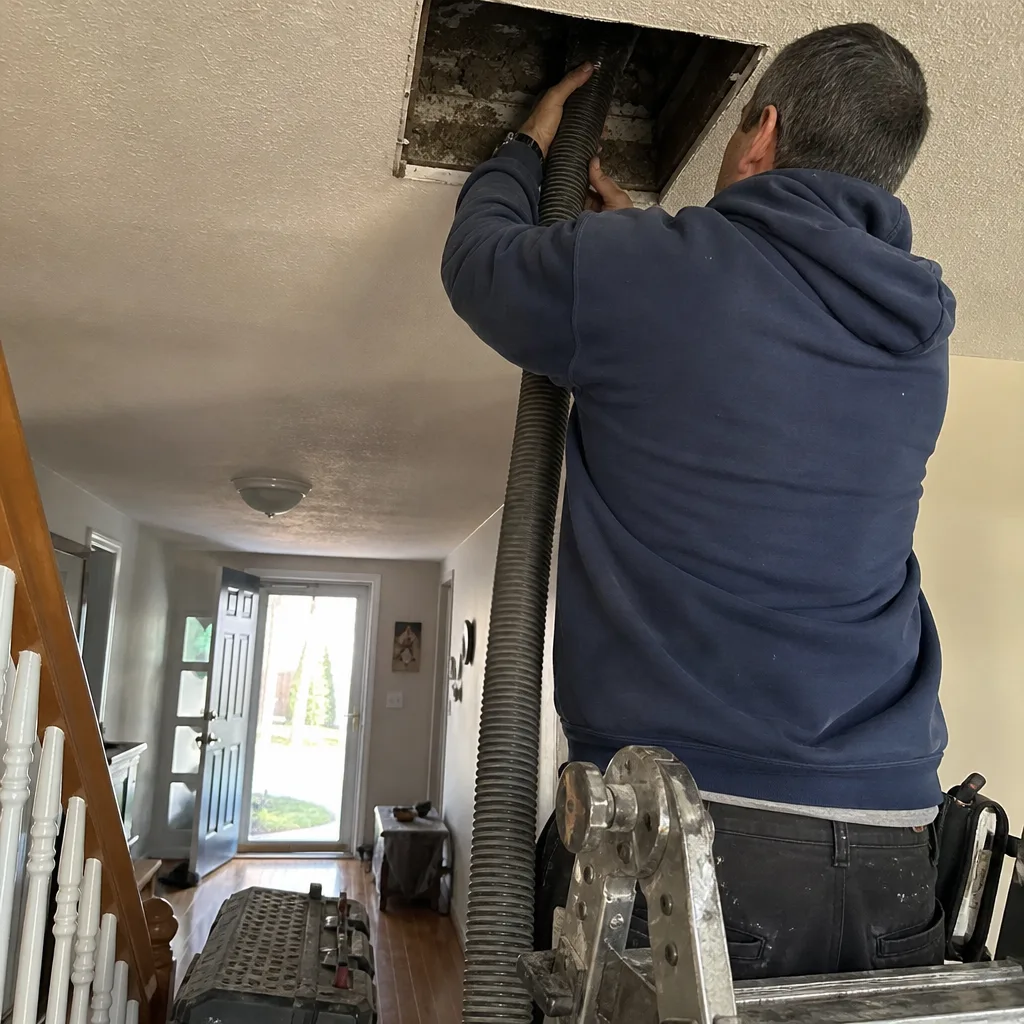 Before
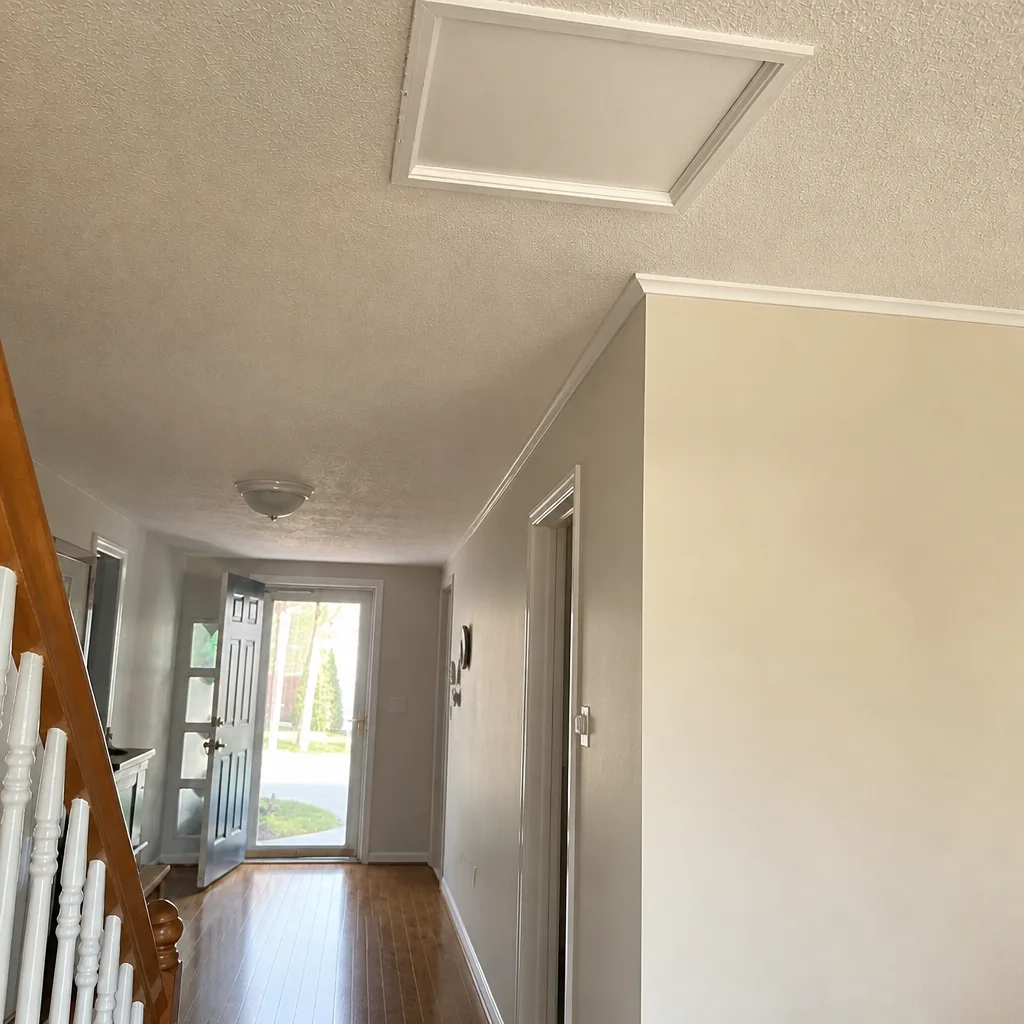 After
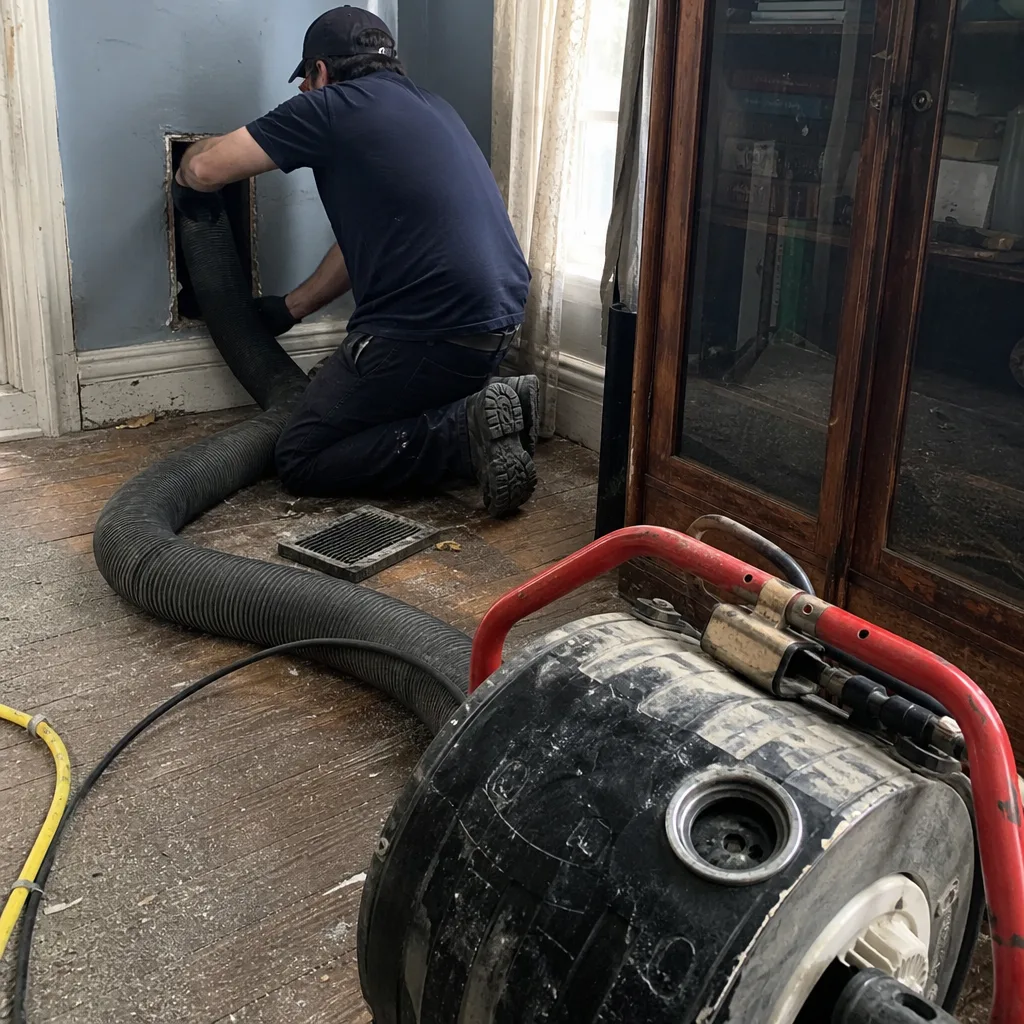 Before
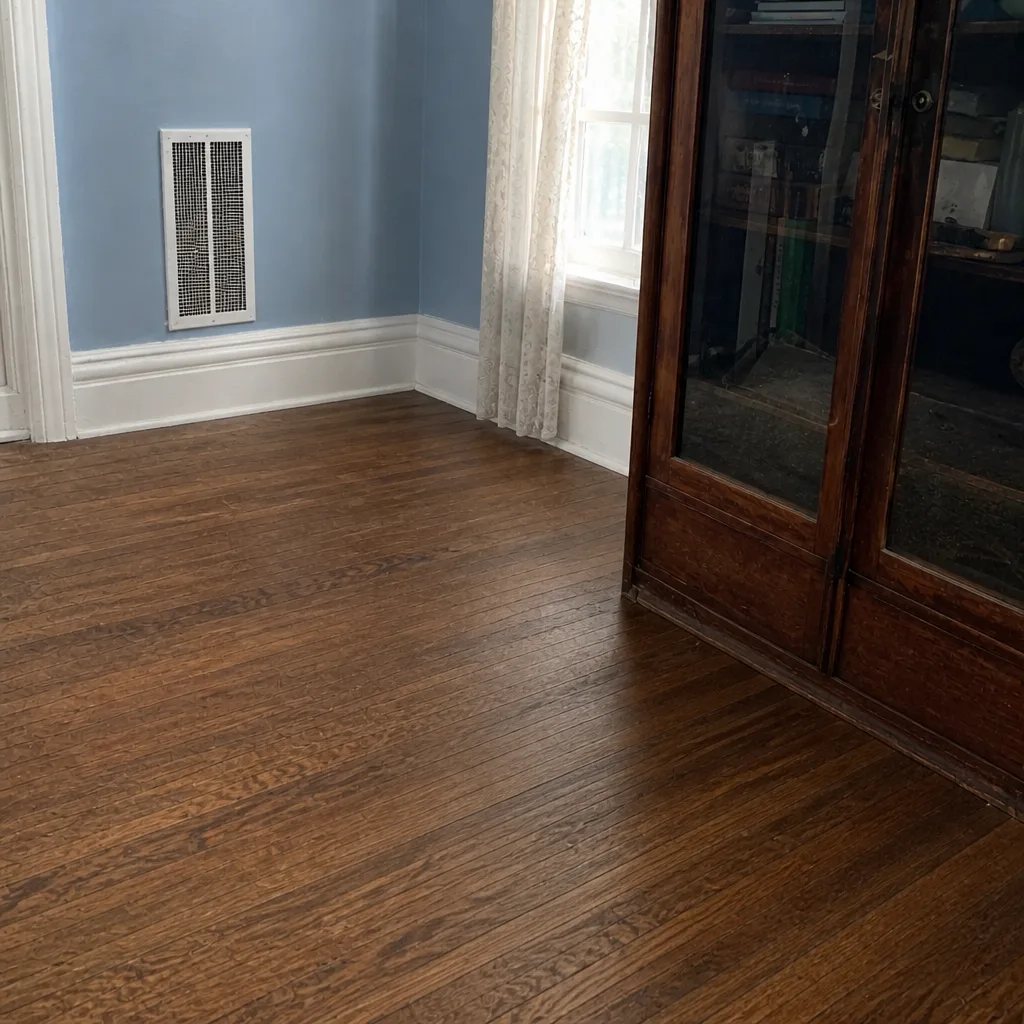 After
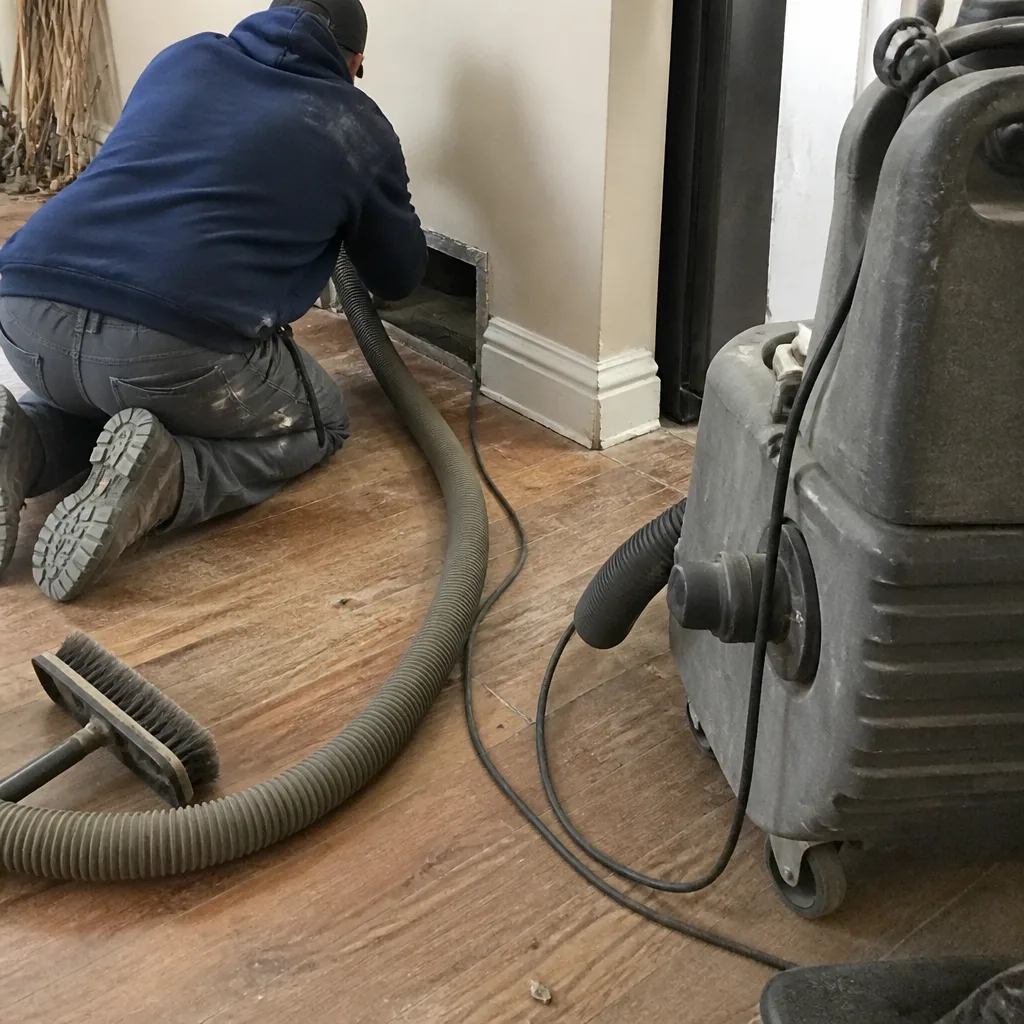 Before
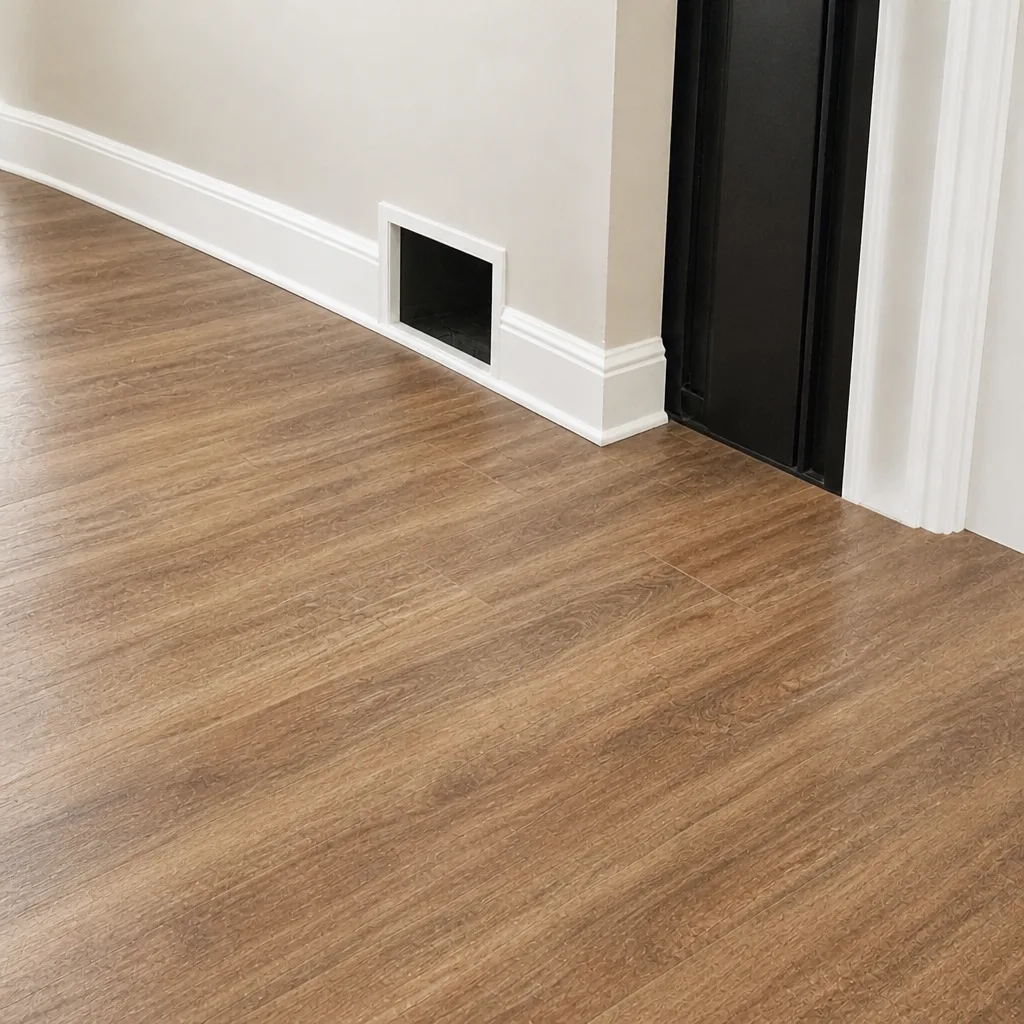 After
When to Call a Professional
If your registers put out visible dust within days of a cleaning, or you’re seeing fine debris settle on surfaces near the return, you’re past the point where a filter change will help. If anyone in the house has allergies that seem worse indoors, or if you’ve just finished a renovation, an inspection is the right first step. If your dryer takes two cycles to dry a load, stop using it and get the vent looked at. And if you’re buying a Rhawnhurst home where the duct history is unknown, an inspection before move-in gives you a baseline for everything that follows. Air Duct Cleaning Rhawnhurst offers free estimates in Rhawnhurst. Call (888) 301-3197. We answer 24/7. Fast dispatch from 7am to 7pm, Sunday through Friday.
Frequently Asked Questions
Pricing is per system, by written estimate, based on duct size, access, condition and whether repair or sanitizing is needed. We don’t publish teaser figures because per-vent pricing is the industry’s bait-and-switch mechanism. The clean answer is: request a free estimate, get a flat price for the system, and hold the contractor to it. Call (888) 301-3197 for an exact quote.
Cheap quotes are almost always surface-only jobs: brush the visible register, skip the returns, no negative pressure, no HEPA capture. In a Rhawnhurst row home with a low basement trunk and a single central return, the parts that need cleaning most are exactly the parts a cheap quote leaves out. If a quote is dramatically lower, ask what equipment is used and whether the return side is included, and listen carefully to the answer.
Ask for before-and-after photos of your own ducts, taken through an access point during service and shown to you at the end of the visit. Look inside the ducts yourself. Verify airflow at each register. If a contractor can’t produce photos and won’t let you look, the work is in question. Call (888) 301-3197 and we’ll book a visit with full documentation of what we find and what we clean.
Most homes don’t need annual cleaning; every few years is reasonable for a typical household, and many homes go longer. Post-renovation, pest issues, visible register dust, or allergy-driven concerns call for cleaning sooner. A first inspection in an older Rhawnhurst home establishes a baseline, and the interval after that follows what you’re seeing. Call (888) 301-3197 to schedule an inspection.
Yes, dryer vent cleaning is a standalone service, priced per run. It’s a fire-safety concern, not an upsell, and a clogged vent should be cleared before the next load. Many duct-only contractors subcontract the work or skip it, which leaves the hazard in place. Call (888) 301-3197 to book dryer vent cleaning on its own or alongside duct work.
We repair and seal it on the same visit. Duct repair and sealing are in-house services, so you don’t get handed a problem list and sent to find another contractor. Cleaning a leaking system without fixing the leak undoes the cleaning within weeks, so we treat them as one job. Book an inspection and we’ll assess duct condition before any cleaning starts. Call (888) 301-3197.
The Bottom Line
The gap between a real duct cleaning and a fake one comes down to equipment and sequence: negative pressure established before anything is touched, mechanical agitation from the furthest register inward, HEPA capture and filtration the entire time, and before-and-after documentation of your own ducts. In Rhawnhurst’s postwar row homes and split-levels, the low basement trunks and single central returns make the difference especially visible, because those are the places surface-only cleaning skips. One flat price per system, agreed before work starts, and a contractor who repairs what they find on the same visit. For duct cleaning, HVAC cleaning and safety-driven air duct cleaning across Rhawnhurst, call (888) 301-3197. We answer 24/7. Fast dispatch from 7am to 7pm, Sunday through Friday.
Written by the team at Air Duct Cleaning Rhawnhurst.