
Last updated November 25, 2026
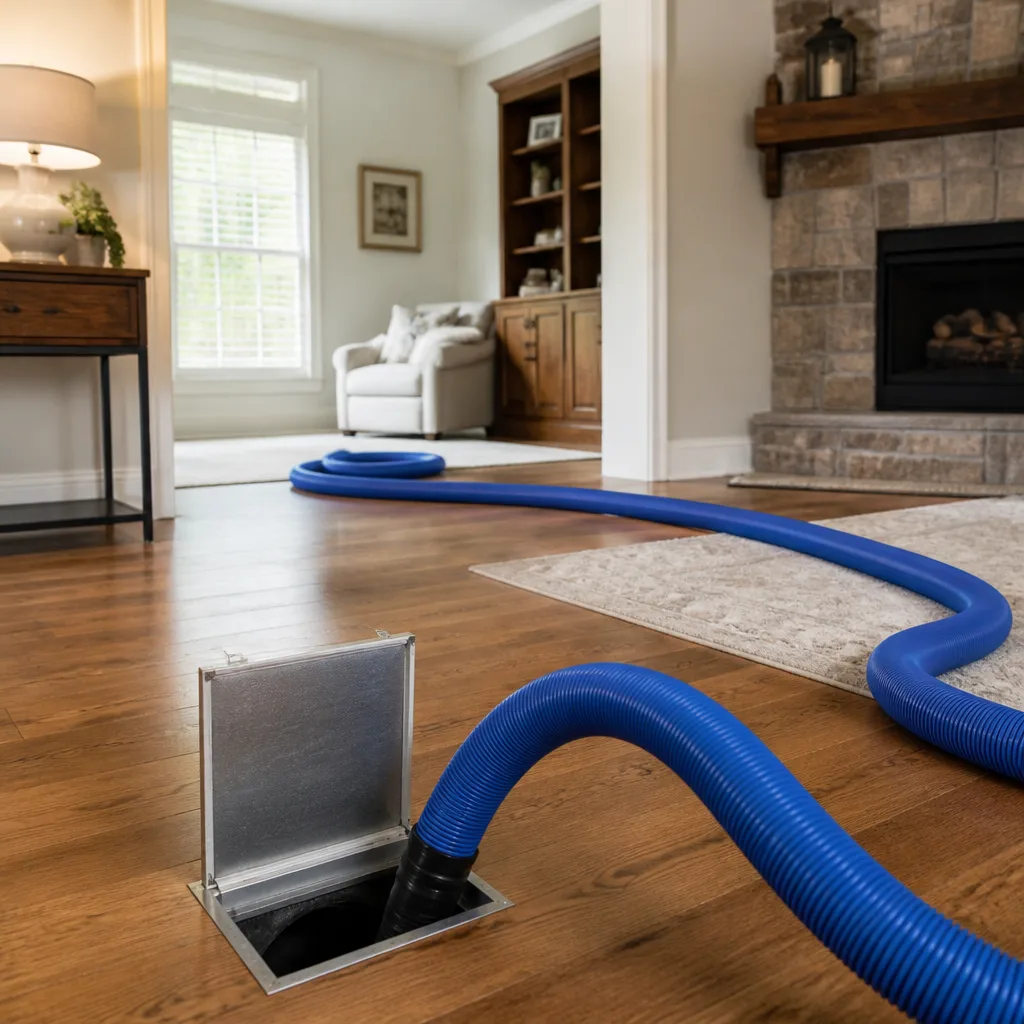 Whole-home duct cleaning
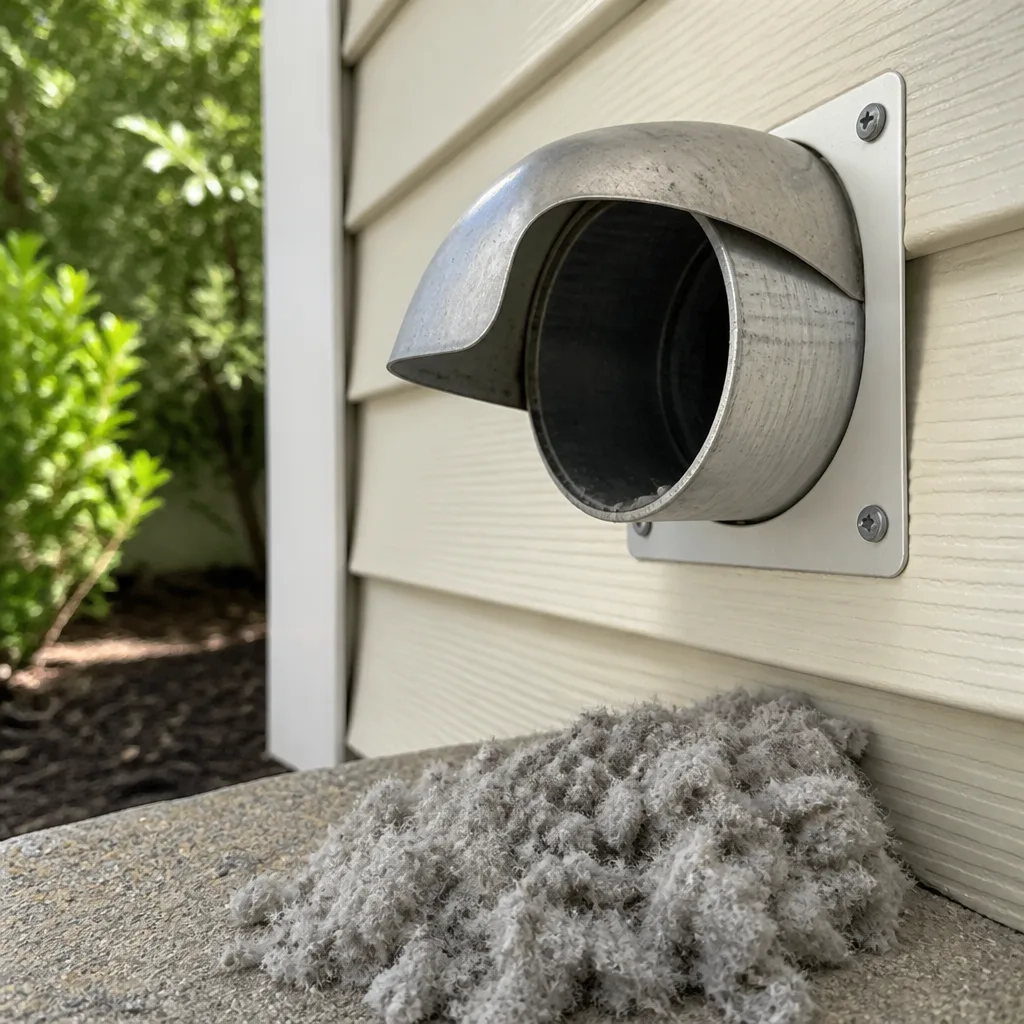 Dryer vent cleaning
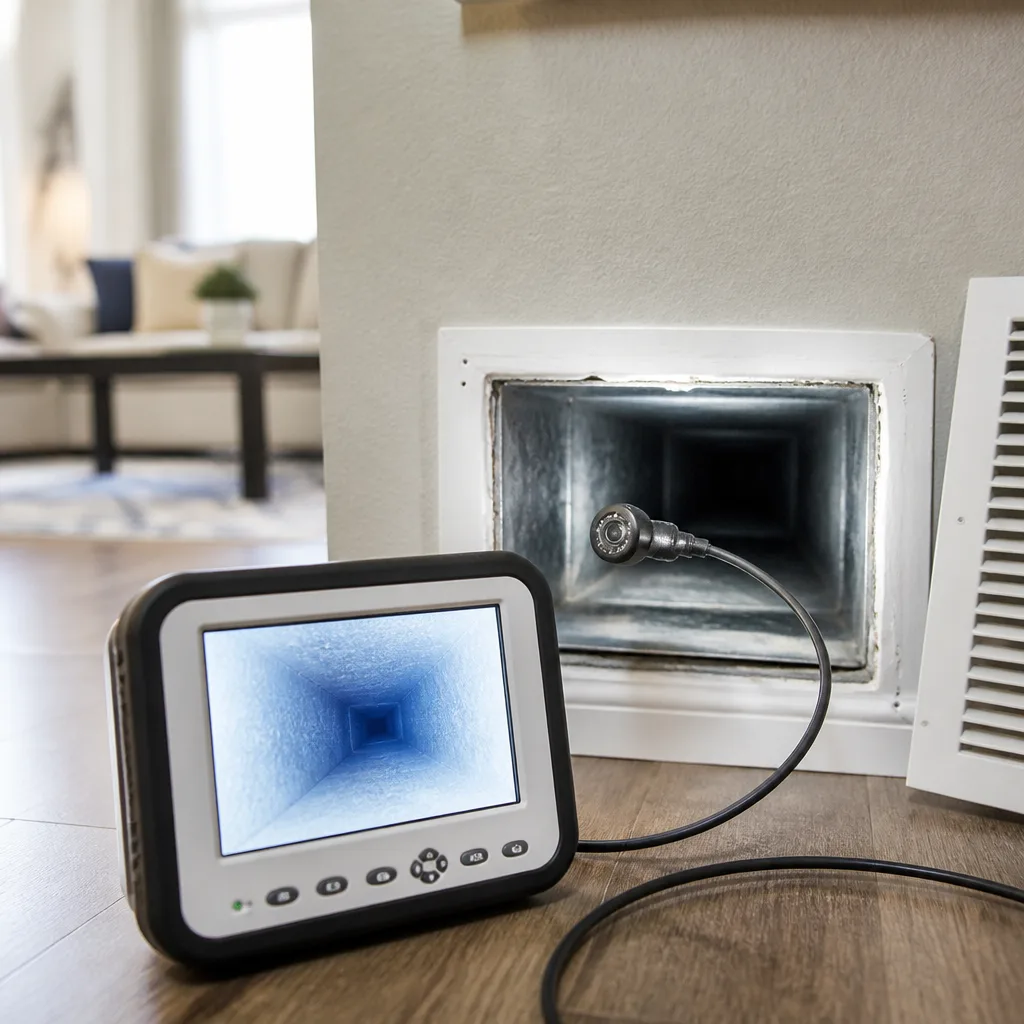 Camera inspection
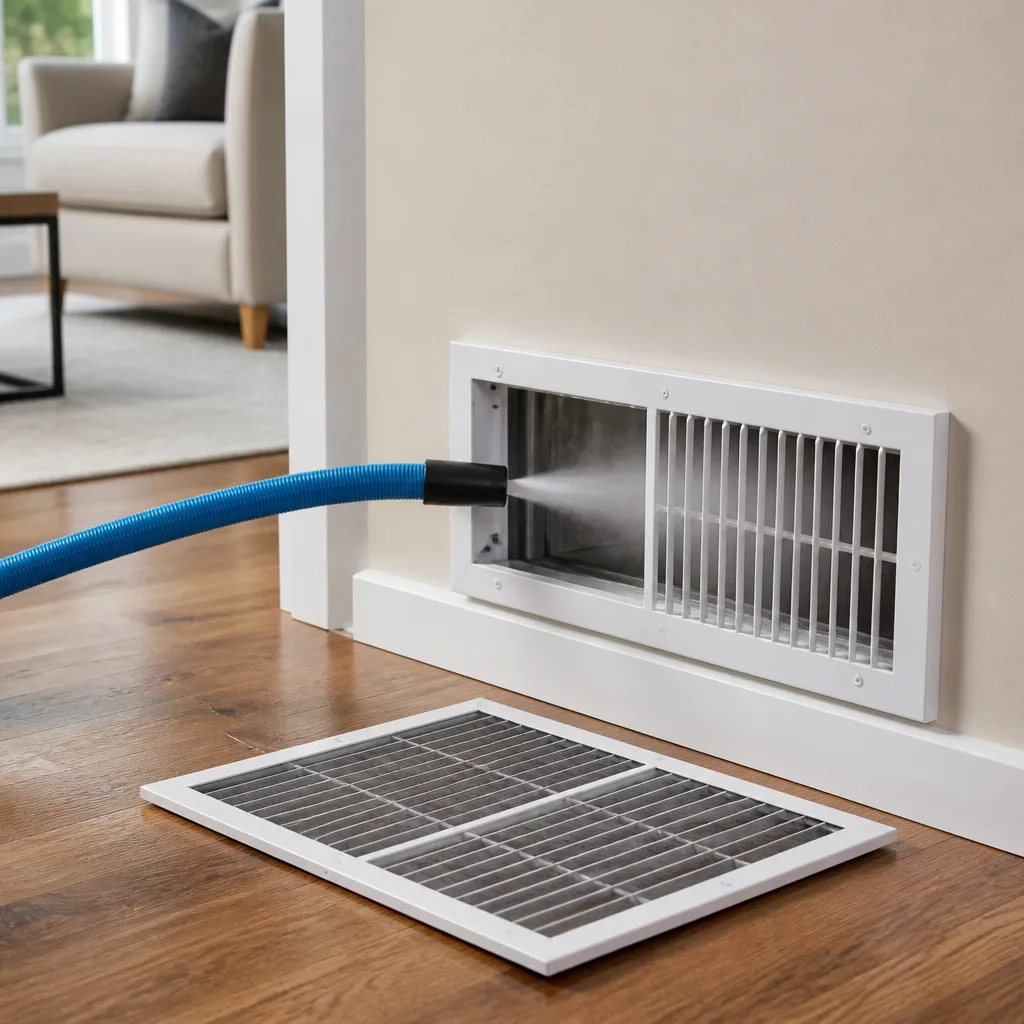 Sanitizing & deodorizing
Whole-system duct and dryer vent check with before-and-after photos - you see exactly what came out of your vents
That "$99 whole-house special" is a bait ad - the real number appears once they are in your hallway, or the "clean" is a shop-vac at the register. We photograph the inside of your ducts before and after instead.
Air Duct Cleaning Warning Signs: A Rhawnhurst Homeowner’s Reference Guide
By the time you can smell a problem in your ducts, it’s already been building for months. The earlier warning signs show up in your energy bills, your filter, and your airflow – not your nose. Most homeowners wait for an odor or a visible dust cloud, which means the system has been circulating contamination for a long stretch before anyone notices. In a Rhawnhurst row house with a finished basement and a furnace tucked in a closet, that delay shows up in places you’d never think to check. This guide covers the quieter indicators: what a fast-loading filter means, what uneven heating in an upstairs bedroom tells you, and how to read the first foot of a supply duct with nothing more than a flashlight and your phone.
Quick Answer
Air duct warning signs in Rhawnhurst usually appear before you notice any smell: a filter that loads faster than its rated lifespan, rooms that heat or cool unevenly, dark debris patterns around supply registers, rising energy bills without a rate change, and visible dust trails near the vents. A flashlight check of the first 12 inches of a supply duct will confirm whether you’re seeing settled surface dust or active shedding from inside the system. If two or more of these signs line up, book a professional inspection rather than reaching for a vent brush.
Styles & brands we work with
- Whole-home duct cleaning
- Dryer vent cleaning
- Camera inspection
- Sanitizing & deodorizing
Table of Contents
- What Your Filter Is Telling You
- Uneven Room Comfort as a Duct Obstruction Signal
- The Debris Pattern Around Supply Registers
- How to Inspect the First 12 Inches of a Supply Duct
- Energy Bill Patterns in Rhawnhurst’s Climate Zone
- Six Less Obvious Signs Homeowners Miss
- Common Mistakes to Avoid
- When to Call a Professional
What Your Filter Is Telling You
A filter that loads faster than its rated lifespan is a strong upstream contamination signal. Filters don’t have a calendar; they have a loading rate based on how much particulate is passing through them. A filter rated for three months that’s gray at four weeks is telling you something is feeding the return side of your system.
MERV ratings are about filtration efficiency, not filter life. A higher-MERV filter catches finer particles, but it also sits in a duct system that has to move the same volume of air through a tighter mesh. If you’ve recently upgraded from a basic fiberglass filter to a MERV 11 or MERV 13 and it’s loading fast, the ductwork itself may be carrying more debris than the system was designed to handle.
Watch for these filter patterns:
- Uniform gray across the whole face – normal loading. Replace on schedule.
- Dark concentration on one side or corner – uneven airflow, often a sign of a partial blockage on that branch.
- Fiberglass filter coated in fine dust within days – a strong signal of active contamination upstream.
- Filter frame bowed inward – restriction so heavy the fan is pulling the filter out of shape. That’s a system-wide airflow problem, not a cleaning one.
In our experience working with Rhawnhurst homes, the filter is the cheapest diagnostic tool a homeowner has. When we recommend a Honeywell or Aprilaire filtration product after a cleaning, it’s because we’ve actually seen the filter loading pattern and know what the system needs – not because a filter upgrade is a default add-on. The right filter for your system is recommended after we’ve seen inside it. For the full scope of what a professional cleaning involves, see our guide on air duct cleaning.
Uneven Room Comfort as a Duct Obstruction Signal
A room that’s consistently 4 to 6 degrees off from the rest of the house is more often a duct obstruction than an HVAC sizing problem. That’s the piece most homeowners get wrong. They assume the system is undersized, call an HVAC contractor, and end up with a quote for a bigger unit when the real issue is a blocked or disconnected run.
Rhawnhurst’s housing stock makes this common. Many of the row houses and twins built through the mid-twentieth century have supply runs that branch through walls and under floors, often with a long trunk that feeds an upstairs bedroom through a flex run in a chase. Debris settles in the low points, and flex runs can sag or kink if a previous renovation moved framing or ductwork. The result is a room that heats slowly and never quite reaches setpoint.
How to tell a duct problem from a sizing problem:
- Close the register in the coldest room. If other rooms improve, the system is starved somewhere upstream – likely a duct issue.
- Feel the airflow at each register with your hand. A noticeable difference between one run and its neighbors points to that run, not the whole system.
- Check the return grille. A return that’s pulling hard while a distant room stays cold means the supply side is restricted, not the equipment.
- Note whether the problem is worse in heating or cooling season. If it’s one season only, a duct issue on that branch is more likely than a sizing issue, which would show in both.
If the room is cold in both seasons and closing other registers doesn’t change anything, the branch may be disconnected in a wall or floor cavity entirely. That’s a repair, not a cleaning, which is why we perform duct repair and sealing in-house: we find it and fix it on the same visit rather than handing you a report and a second contractor to hire.
The Debris Pattern Around Supply Registers
The pattern of debris around a supply register tells you whether dust is actively shedding from inside the duct or has simply settled on the grille. This is the distinction most warning-sign lists miss.
Here’s what to look for:
- Settled dust – a soft, even film on the grille face and the ceiling around it. It may look bad, but it can come from the room itself, fabric shedding, general household activity. Cleaning the grille solves it for a while.
- Active shedding – a fine dark ring on the wall or ceiling just outside the register edge, often with a gravity trail below the grille. This pattern means debris is being pushed out of the duct and deposited as airflow exits. It builds back after cleaning. That’s the sign that the duct interior is the source.
- Localized streaks – dark lines radiating from the register screws or corners. Often a sign of air leaking around an unsealed boot rather than a duct interior issue.
- Lint-like tufts on the grille face – common in dryer-adjacent rooms or near laundry. Usually a housekeeping issue, but worth noting.
Take a photo of the register before you clean it, wipe the grille, and photograph it again after two weeks. If the ring returns, the duct is the source. If the grille stays clean, you had surface dust. This simple before-and-after comparison is the same logic we use on every job – we document the before and after photos of your own ducts so you can see exactly what came out.
How to Inspect the First 12 Inches of a Supply Duct
A flashlight and a phone camera can tell you a lot about your ductwork without touching the system. A word of caution first: don’t unscrew registers or reach into duct openings if the blower is running or the system could kick on. Turn the thermostat to fan-off before you start. If you’re not comfortable removing the register, that’s fine – a flashlight through the grille strips will still show the first few inches.
Here’s the sequence:
- Turn the HVAC system off at the thermostat. Confirm the fan is not running by listening at a nearby return.
- Remove the register grille if you can do it safely, or shine the light through the slots if you can’t.
- Shine the flashlight into the duct at a low angle so the beam rakes across the interior surface. A direct beam flattens texture; an angled beam reveals it.
- Photograph the view with your phone flash on. Take two shots – one of the duct lining and one of the boot where the duct meets the floor or wall.
- Compare to what normal looks like: the galvanized or flex liner should be metallic or light gray with a faint uniform dust film. No accumulation, no fuzz, no dark patches.
- Look for what warrants a call: a visible layer of dust with texture, lint or fiberglass strands hanging from the liner, a dark stain or water mark, visible mold, or a disconnected section where the duct separates from the boot.
If you see any of the last group, call for an inspection. Our technicians use Nikro HEPA vacuum units and Abatement Technologies filtration during service specifically to capture dislodged material as it comes out, which is what keeps the work area clean and prevents the dust from redistributing into the room. Professional-grade equipment, not shop-vac shortcuts, makes the difference at this stage.
Energy Bill Patterns in Rhawnhurst’s Climate Zone
Energy bills that go up aren’t automatically a duct problem, but a specific pattern is a strong signal. The pattern isn’t the spike; it’s the drift. A bill that creeps upward by a few percent over several consecutive cycles, with no rate change and no change in usage habits, is often a system working harder to push the same air through a restricted duct network.
Rhawnhurst sits in a climate with real heating load in winter and meaningful cooling demand in July and August. That swing matters for reading your bills. If your winter gas bill is climbing while your summer electric bill stayed flat year-over-year, you’re more likely looking at a heating-specific issue like a restricted supply run, a failing blower, or a duct leak in the heated air path. If both seasons are climbing, the issue is more likely the duct system overall.
What to compare:
- Year-over-year, same month – a single month’s comparison is noisy. Compare February to last February, not February to March.
- Usage, not just dollars – most utility bills show therms or kWh separately. A rate increase shows up in dollars with flat usage; a duct issue shows in usage.
- Degree-day normalized – if your utility or a home energy app reports it, compare against a mild-weather baseline month.
- Blower runtime – a smart thermostat logs how long the fan runs per hour. Increasing runtime at the same setpoint is the strongest signal in this group.
What this pattern does not tell you is exactly where the restriction is. That’s where an inspection comes in. A professional can trace the system, measure airflow at the registers, and determine whether cleaning alone restores performance or whether you need duct repair and sealing to close a leak that’s bleeding conditioned air into a wall cavity.
Six Less Obvious Signs Homeowners Miss
These are the signals that rarely appear on standard warning-sign lists, but they show up regularly in real inspections:
- A dryer that takes two cycles to finish a load. That’s a dryer vent restriction indicator, not a duct issue, but they often travel together. A clogged dryer vent is a fire hazard waiting to be cleared, and it’s the one service many duct-only cleaners skip. We offer dryer vent cleaning as a standalone safety service.
- A faint rattle or rush at a register that wasn’t there before. Often a loose boot or a partially disconnected flex run. Worth catching before the whole branch falls away.
- Allergy symptoms that flare indoors while outdoor counts are low. This doesn’t prove a duct problem, but it’s a reason to look.
- An HVAC system that short-cycles in mild weather. Restricted airflow can trip a high-limit switch and cut the equipment out early. That’s a system protection behavior, and it deserves attention before the compressor or heat exchanger is stressed.
- Dust that reappears on a freshly dusted shelf within a day. Ordinary household dust settles over days; active circulation of duct debris coats a surface in hours.
- Musty smell in one room only. Localized, not house-wide, points to a specific run with a moisture or microbial issue rather than a whole-system problem.
The full-system view matters here. Rhawnhurst homeowners often ask about cleaning or HVAC separately, but the system is one machine from the return grille to the evaporator coil. Our HVAC cleaning service addresses the equipment side, and when we find a filtration gap during a cleaning, we can recommend a solution – the Guardsman and Aprilaire lines are what we work with most often. If symptoms point to microbial growth in the coil or plenum, we also offer sanitizing as a separate step, which we clean it, seal it, and sanitize when that’s what the system actually needs.
Common Mistakes to Avoid
- Treating every empty vent with a shop vac. Consumer vacuums aren’t sealed to the duct, so they pull debris into the room and push it deeper into the branch. Professional-grade equipment with HEPA filtration captures the material at the source; a vacuum from the garage does the opposite.
- Assuming the filter is the whole problem. A filter change is cheap and worth doing, but it doesn’t clean a contaminated duct. If the filter loads fast again within a couple of weeks, the system needs an inspection, not another filter.
- Hiring the lowest quote in Rhawnhurst without checking the equipment. A truck-mounted shop vac and a two-hour visit will not achieve the same result as Rotobrush rotary brush systems and a proper HEPA vacuum. Ask what equipment the crew is using, and if the answer is vague, that’s your answer.
- Sealing ducts before cleaning them. If you seal a contaminated duct, you trap debris inside it. Clean first, then seal. The order matters.
- Skipping the return side. The return grille and return trunk are the dustiest part of most systems because that’s where air is pulled in. A cleaning that touches only the supply side leaves the source in place.
- Ignoring the dryer vent because “the dryer still works.” Lint builds regardless. This is the one part of the home air system where the failure mode is fire, not discomfort, and that’s a real reason to inspect it on a schedule.
- Booking a cleaning, not an inspection. A cleaning without a diagnosis is guesswork. In Rhawnhurst homes that have been through a basement finishing or kitchen renovation, we regularly find drywall dust in the supply side and insulation debris at the boots. The inspection tells you what the system actually needs. Our air duct cleaning Rhawnhurst page walks through the inspection-first process.
When to Call a Professional
Call a professional when you see two or more of the indicators in this guide together, or any single strong one: visible debris texture inside the first 12 inches of a duct, a debris ring that returns within two weeks of cleaning the register, a filter loading in under a month with the blower running more than usual, a dryer taking two cycles to dry a load, or an allergy or respiratory concern that flared after a renovation. These are situations where the equipment and diagnostic experience matter; our technicians have up to 13 years of experience, and we treat every job like a diagnosis before a cleaning.
Air Duct Cleaning Rhawnhurst offers free estimates in Rhawnhurst. Call (888) 301-3197. We answer 24/7. Fast dispatch from 7am to 7pm, Sunday through Friday.
See the difference
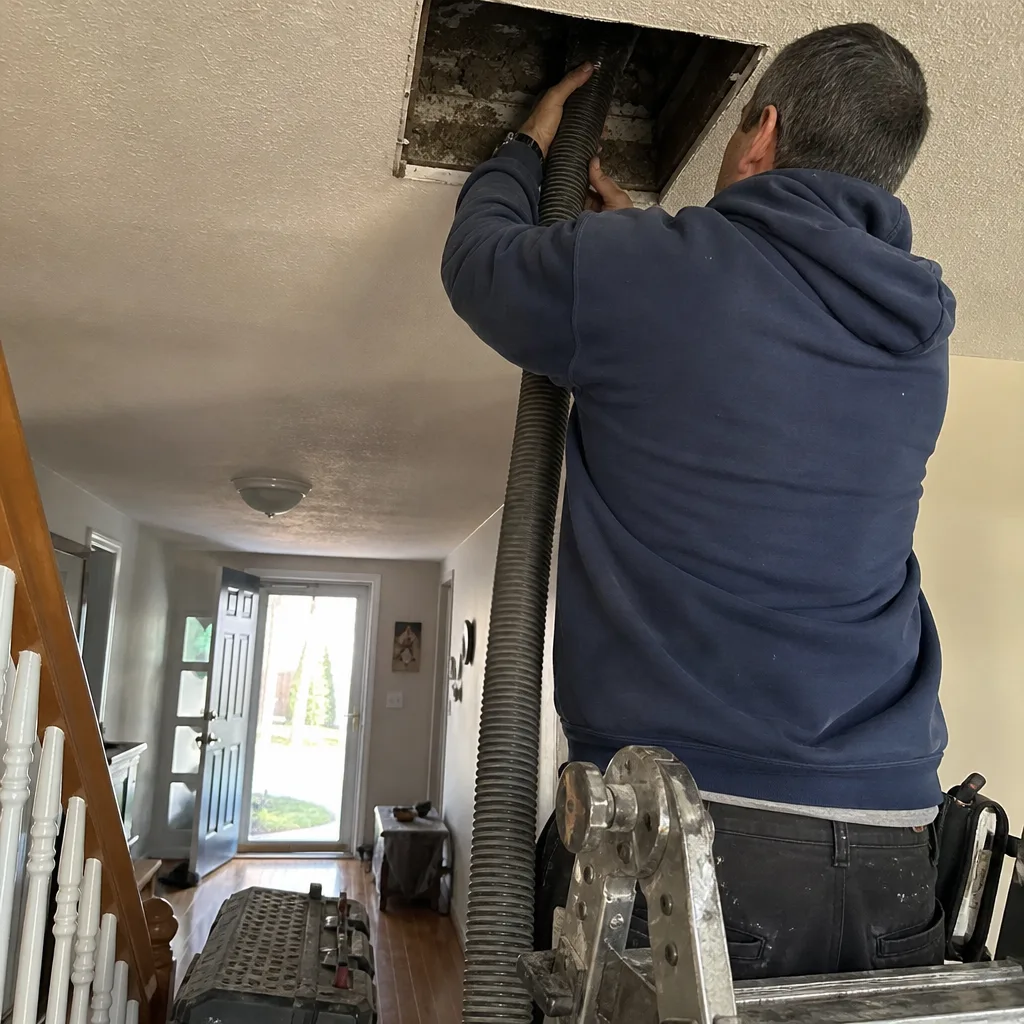 Before
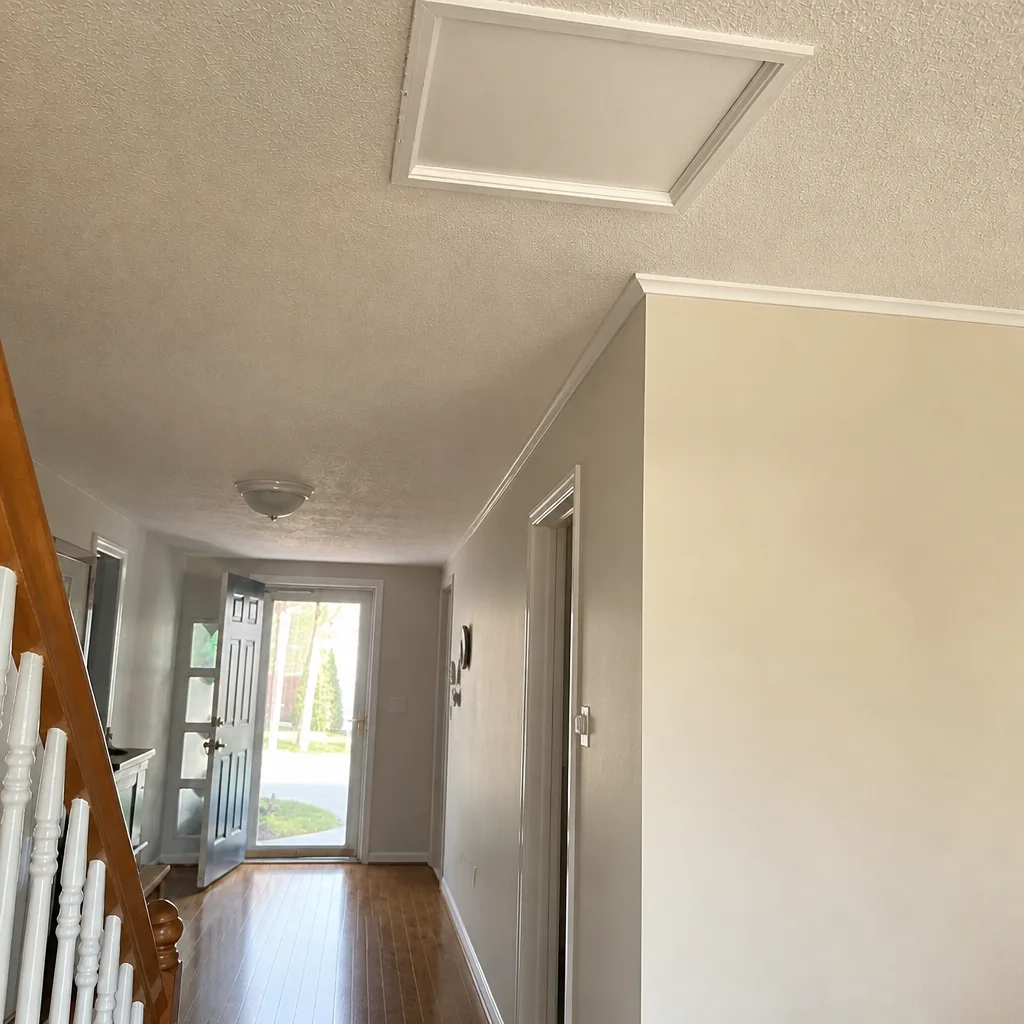 After
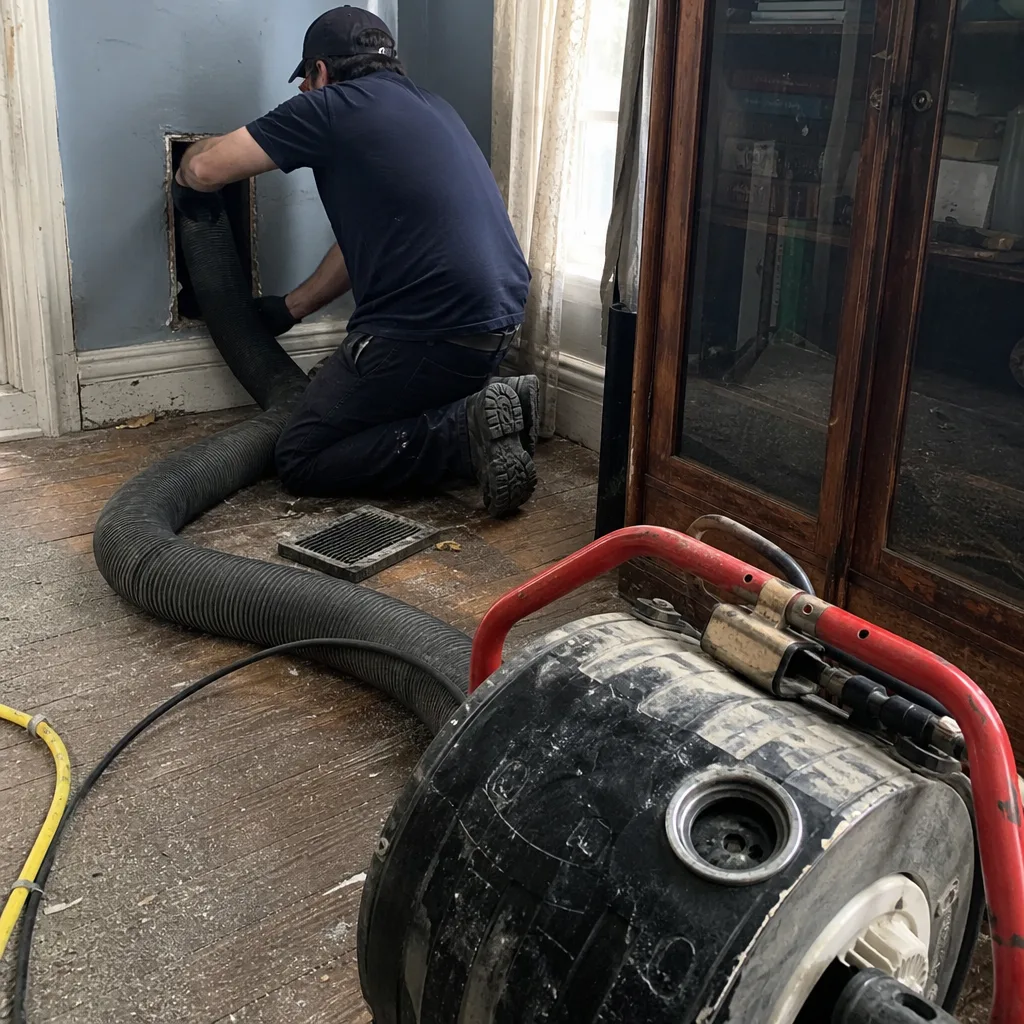 Before
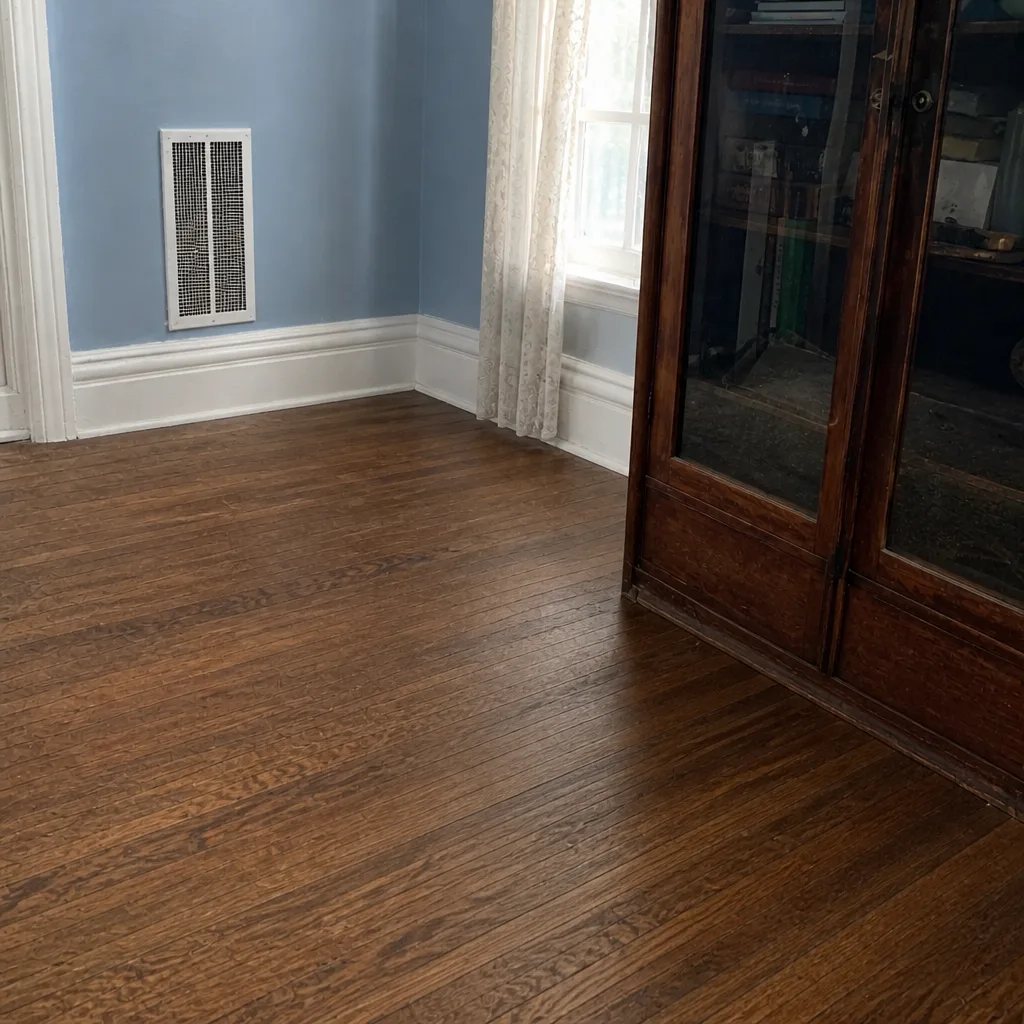 After
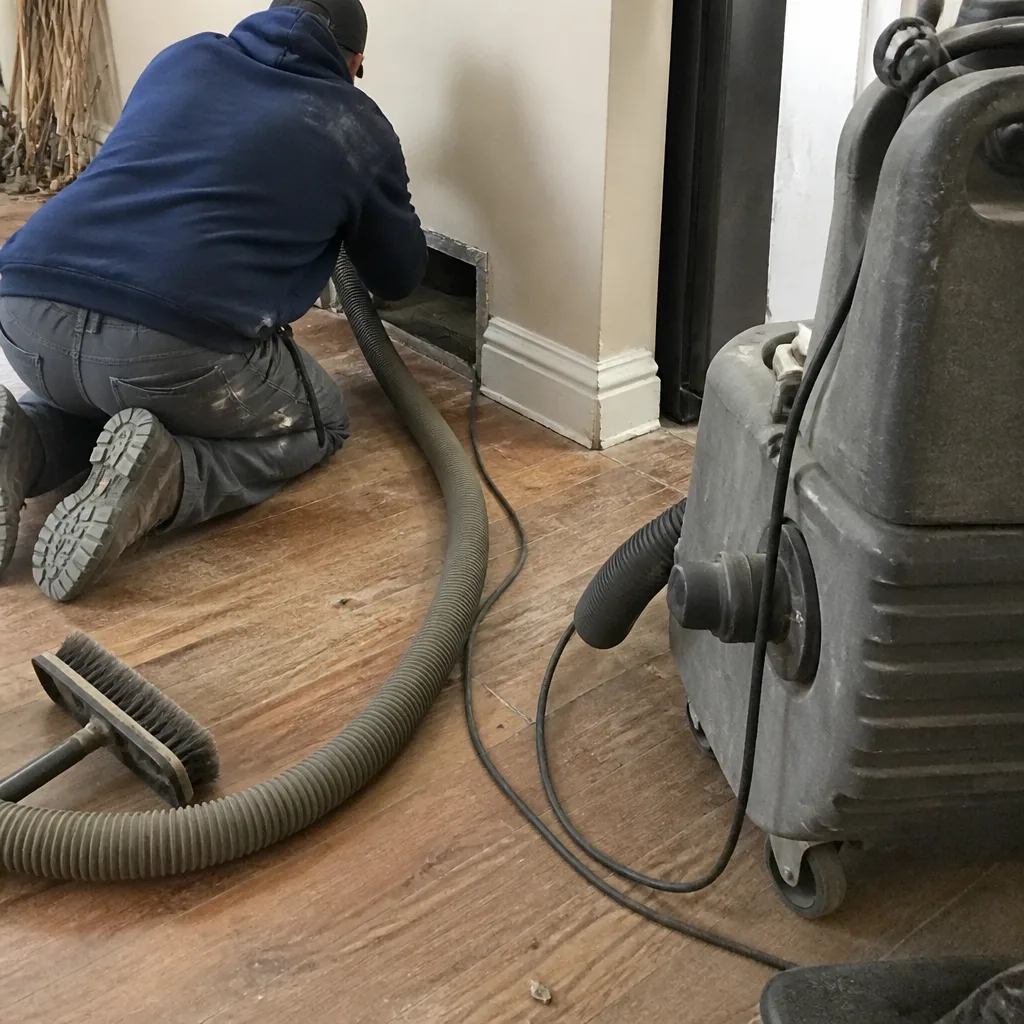 Before
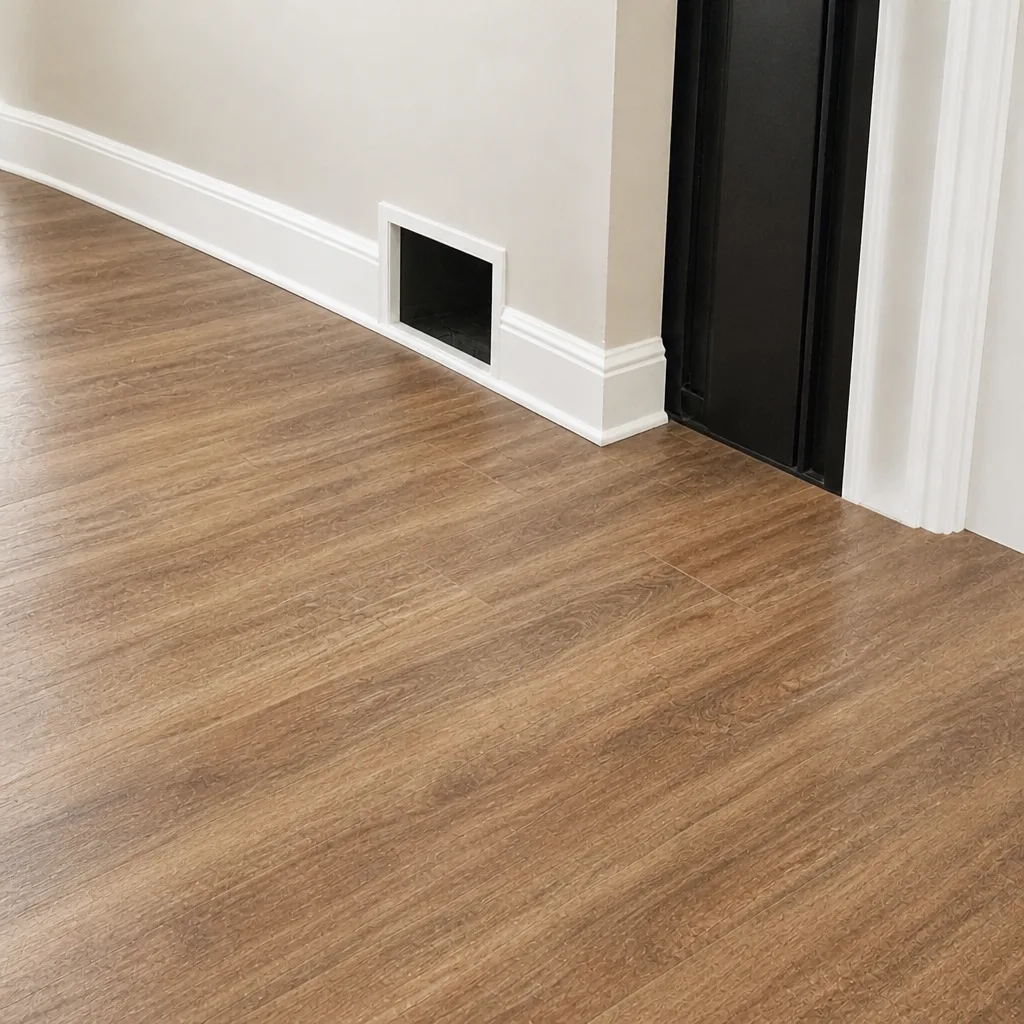 After
Frequently Asked Questions
You know your air ducts need cleaning when a filter loads faster than its rated lifespan, a dark ring of debris returns around a supply register within two weeks of cleaning it, or a flashlight check of the first 12 inches of a duct shows textured debris, lint, or a disconnected boot. One of these alone is worth an inspection; two together is a strong signal. Call (888) 301-3197 for a free estimate – we answer 24/7.
Air duct cleaning in Rhawnhurst is priced per system based on vent count, accessibility, and the condition found during inspection; we quote one flat price per system agreed before any work starts, and the written estimate sets the final price. We don’t quote a per-vent teaser figure because that’s exactly how the low-coupon-to-large-invoice pattern happens. Call (888) 301-3197 for an exact quote – estimates are free.
Cheap quotes are usually a scope difference, not a price difference – a crew with a shop vac and a two-hour window is doing far less than a crew with Rotobrush rotary brush systems and a HEPA vacuum running the whole system, supply and return. The bait-and-switch pattern this industry is known for starts with a low coupon and turns into a much larger invoice once the technician is on site. Our answer is one flat price per system, agreed before work starts, plus before-and-after photos of your own ducts.
Ask for before-and-after photos of your own ducts, not a stock photo set, and insist the crew shows you the return side as well as the supply side after the work is complete. We photograph the interior surfaces of your ductwork before we start and after we finish so you can compare. If a contractor won’t show you the inside of your own system, that’s a reason to pick a different one.
Most Rhawnhurst homes don’t need a fixed schedule – the right interval depends on the system, the household, and the event history. Homes with pets, recent renovations, allergy or asthma concerns, or a basement that’s been finished often need a cleaning on a shorter interval than a home with none of those. Inspect the first 12 inches of a supply duct every six months and let what you find drive the timing. Call (888) 301-3197 for a free estimate and we’ll tell you honestly whether the system needs work now.
Yes. A room that’s consistently 4 to 6 degrees off from the rest of the house is more often a duct restriction than an undersized HVAC system. In Rhawnhurst’s older row houses and twins, long trunk runs and flex branches in wall chases often develop partial blockages or disconnects. A sizing issue would show in both heating and cooling season; a duct issue is often seasonal or specific to one branch. Call (888) 301-3197 for an inspection before you consider replacing equipment.
The Bottom Line
The reliable warning signs of a duct problem in Rhawnhurst show up on your filter, your thermostat, your energy bill, and the ceiling around a supply register – not your nose. A filter loading faster than its rated lifespan, rooms that run 4 to 6 degrees off setpoint, a debris ring that returns within two weeks, and a slow year-over-year drift in usage are the four strongest signals. A flashlight and phone camera can confirm or rule out most of them in ten minutes. When two or more line up, an inspection makes sense. The earlier you catch it, the less the system has to do to fix itself, and the more likely a cleaning and a quick sealing repair restore full performance.
Call (888) 301-3197 for a free estimate. We answer 24/7. Fast dispatch from 7am to 7pm, Sunday through Friday.
Written by the team at Air Duct Cleaning Rhawnhurst.