
Last updated November 25, 2026
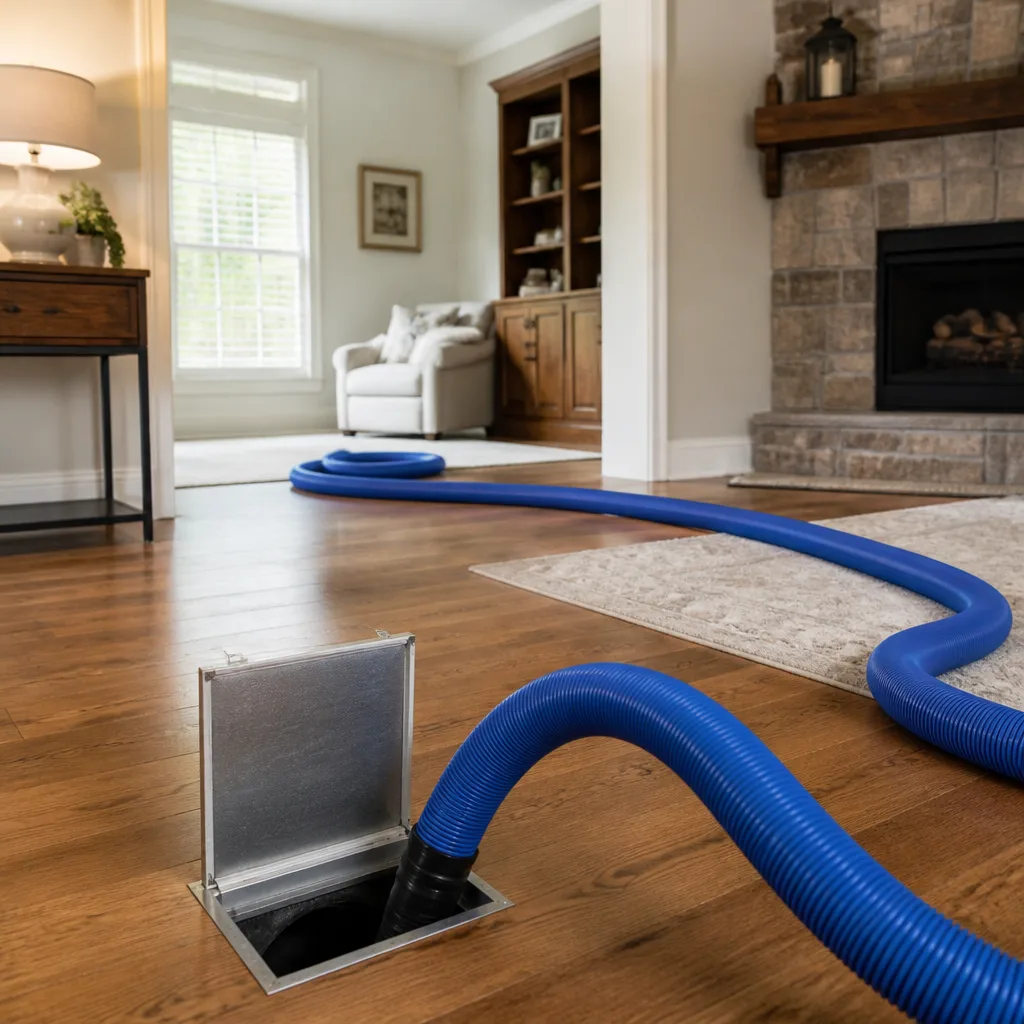 Whole-home duct cleaning
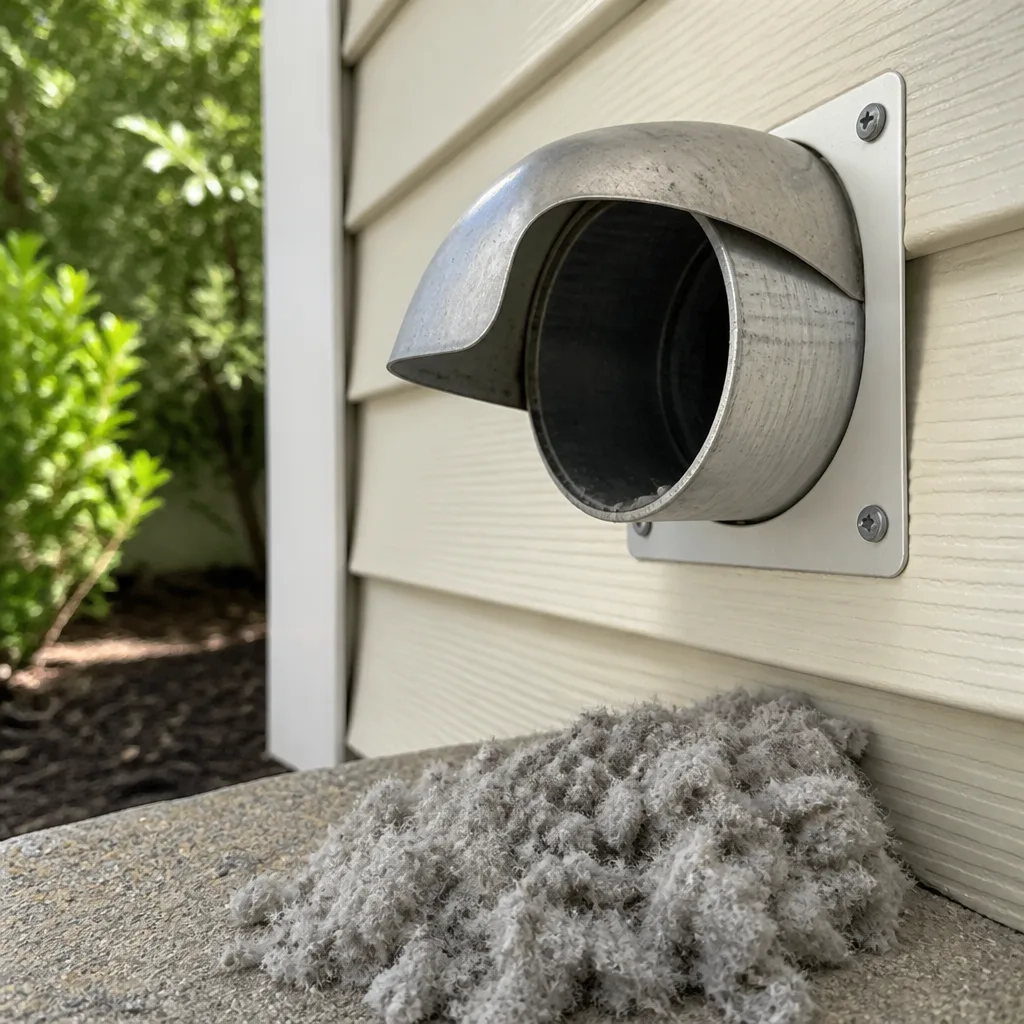 Dryer vent cleaning
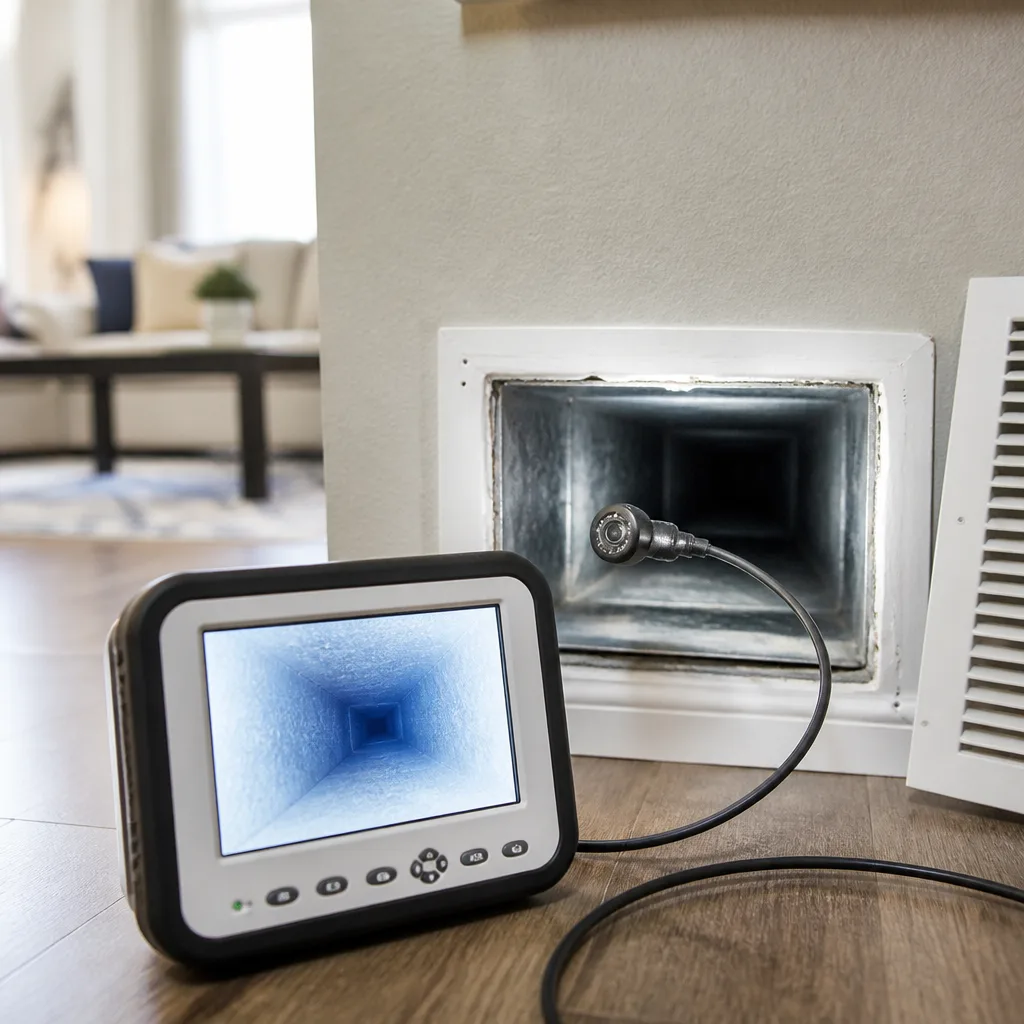 Camera inspection
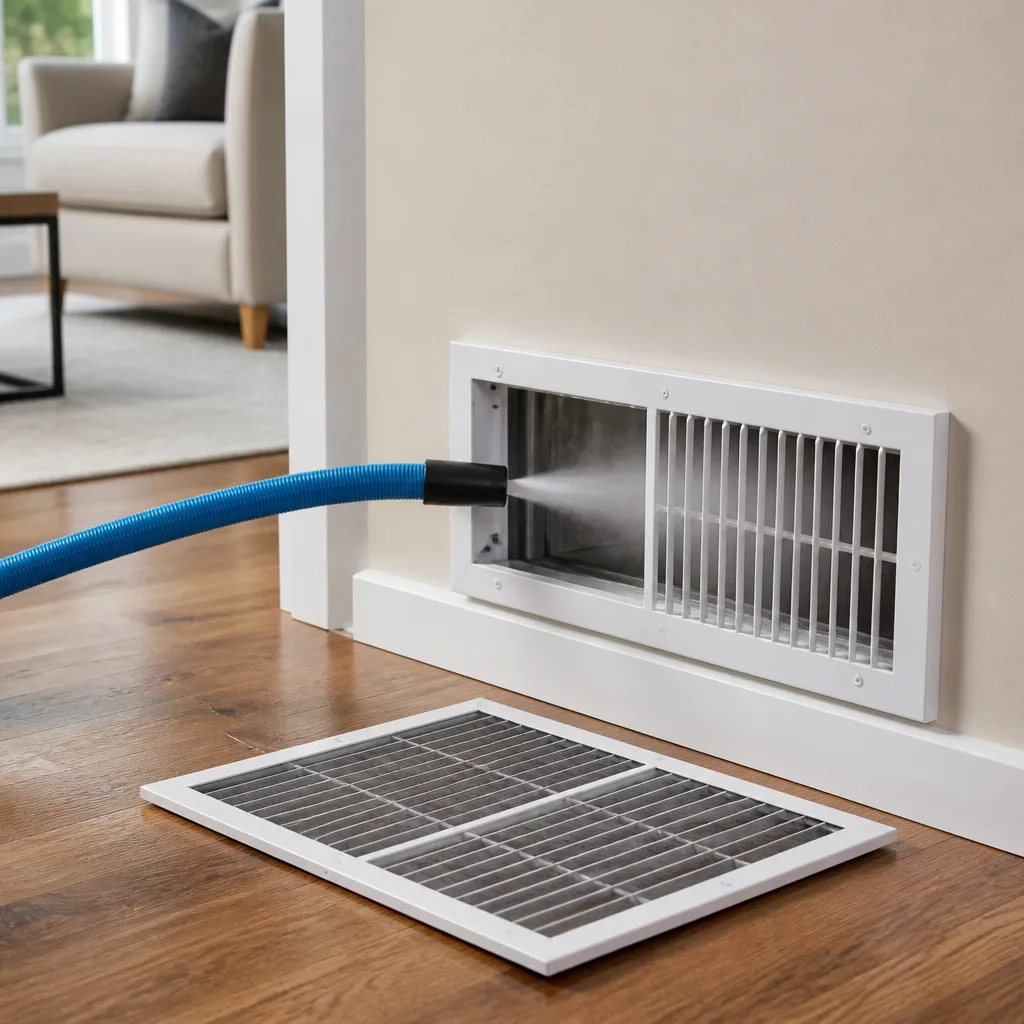 Sanitizing & deodorizing
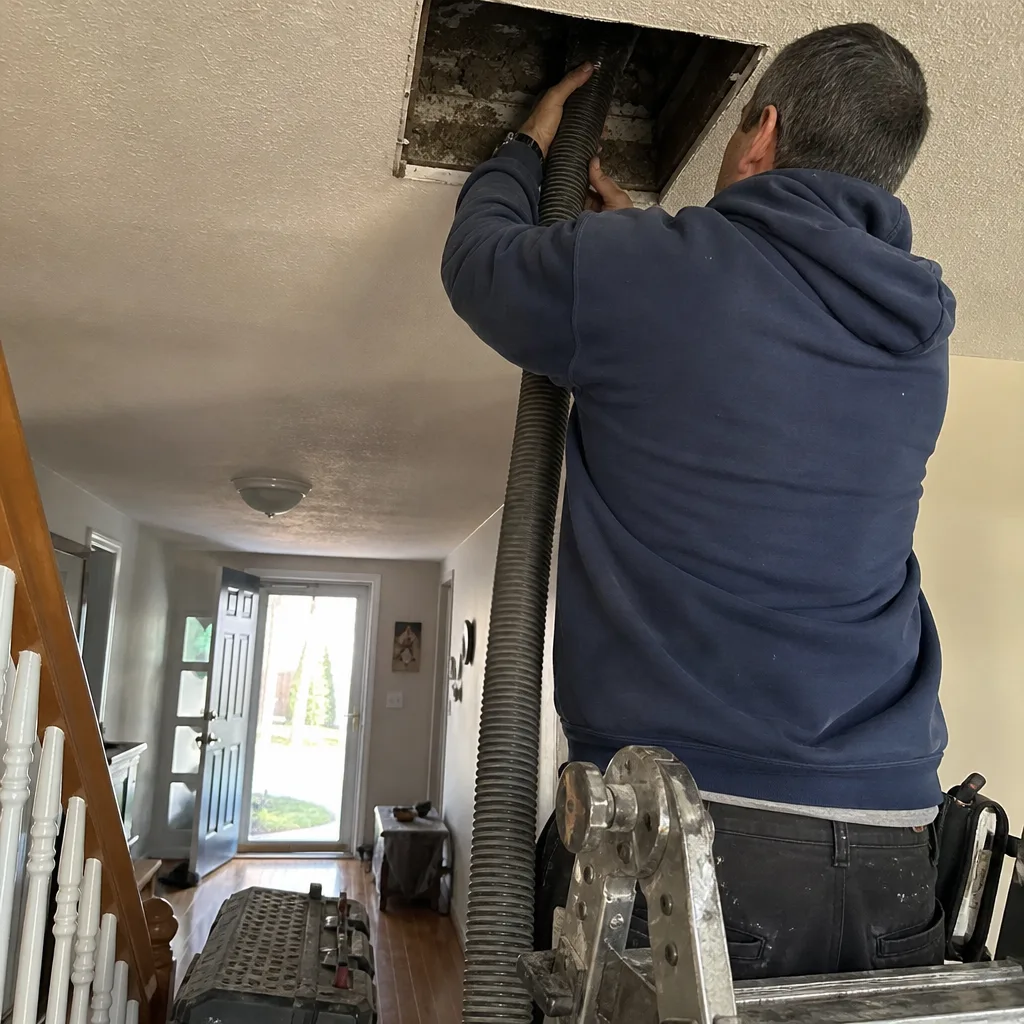
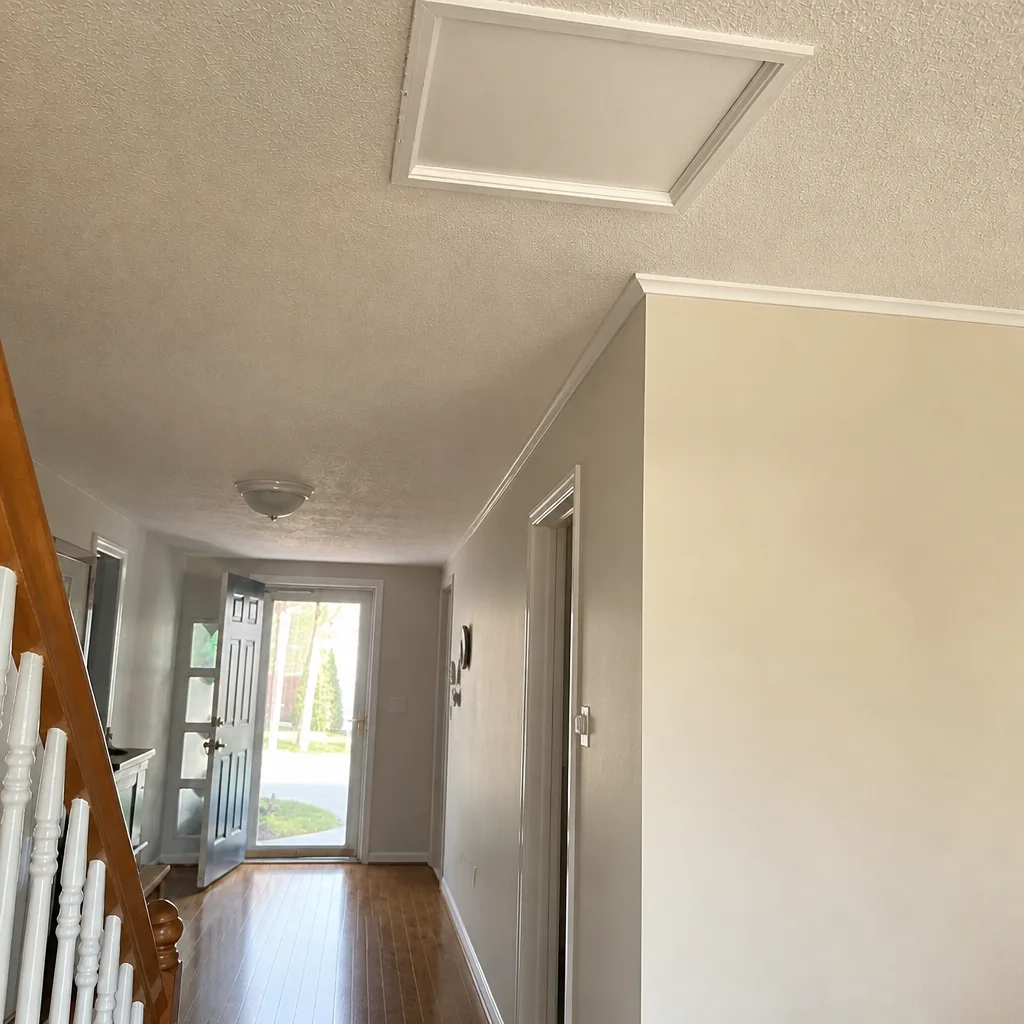
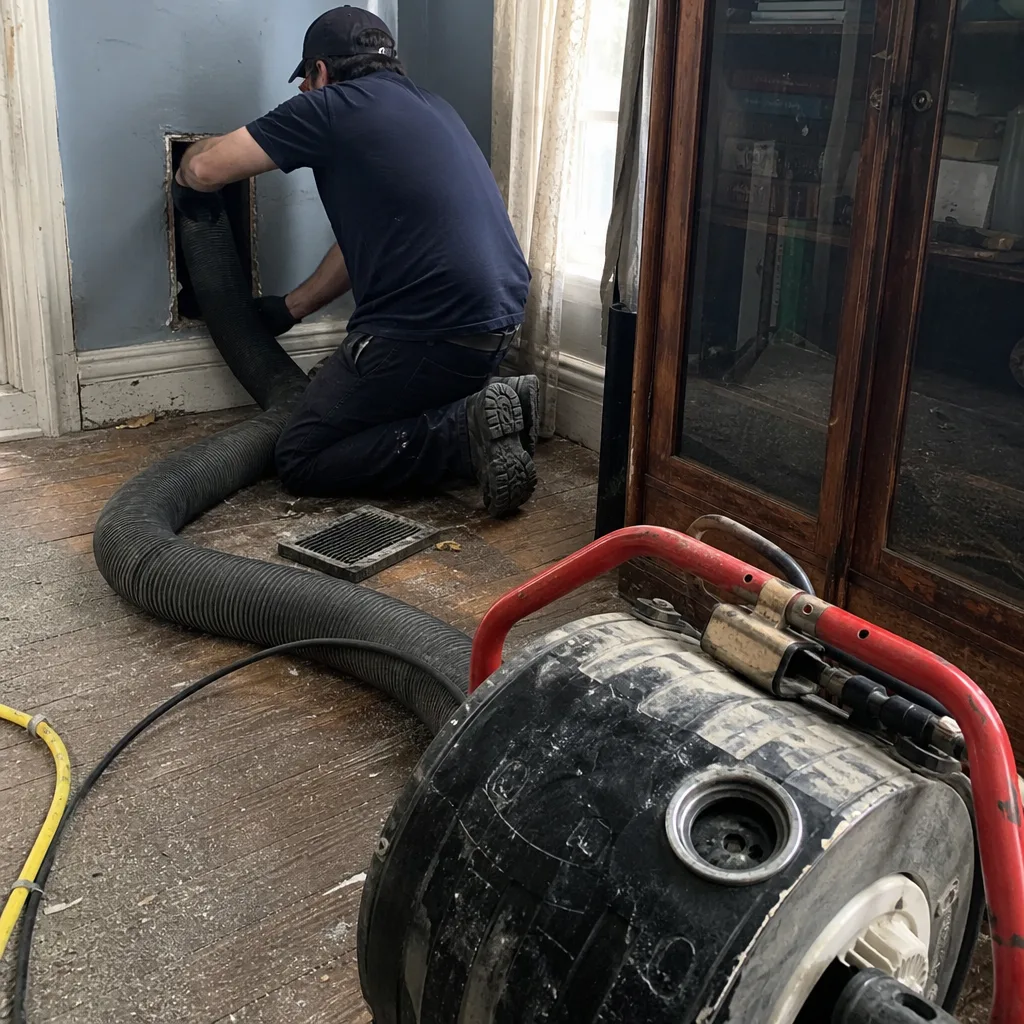
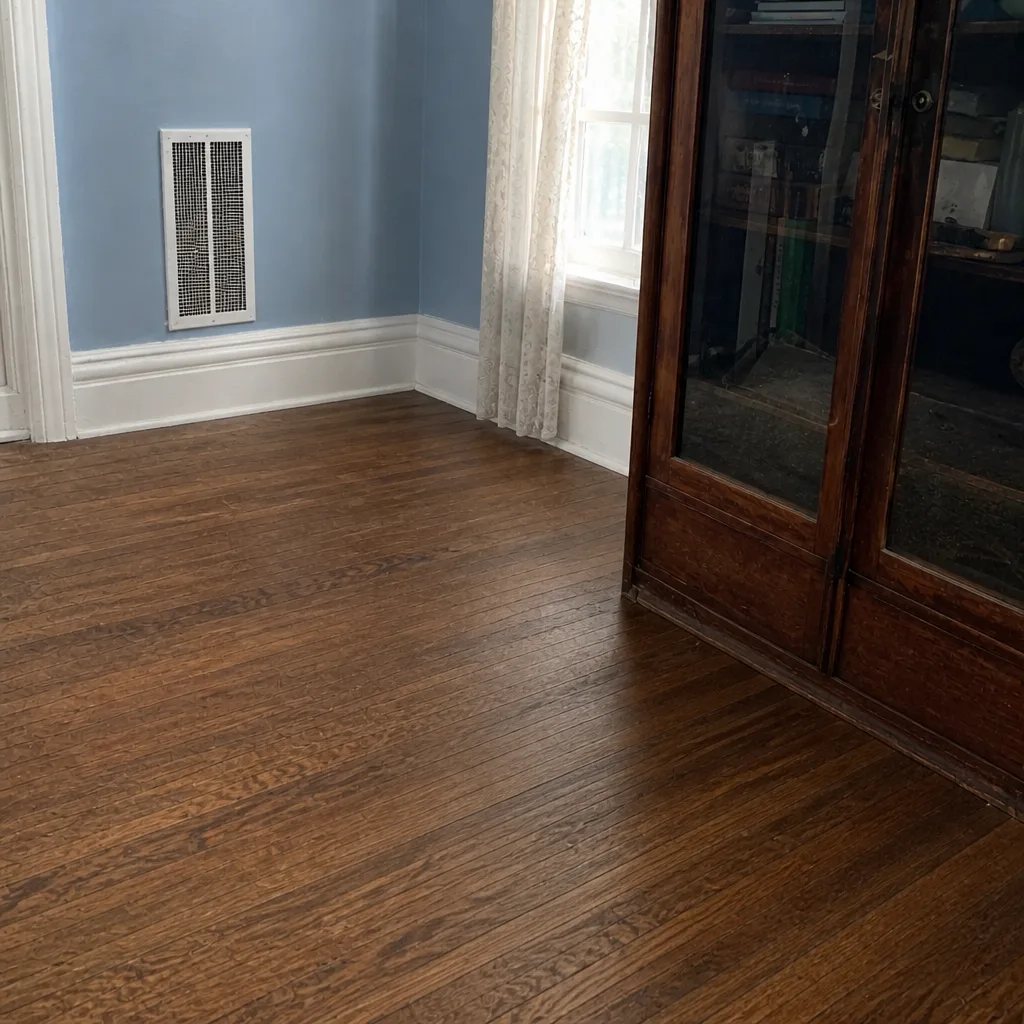
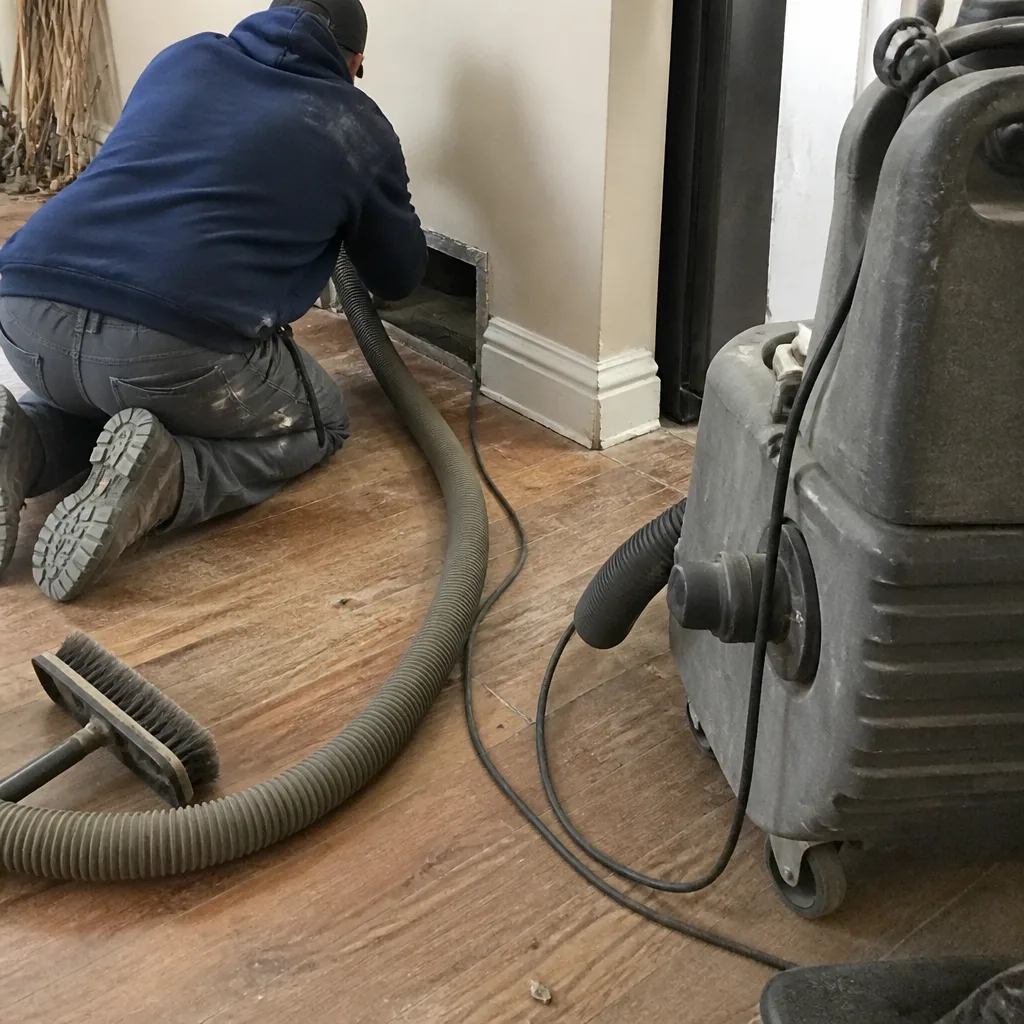
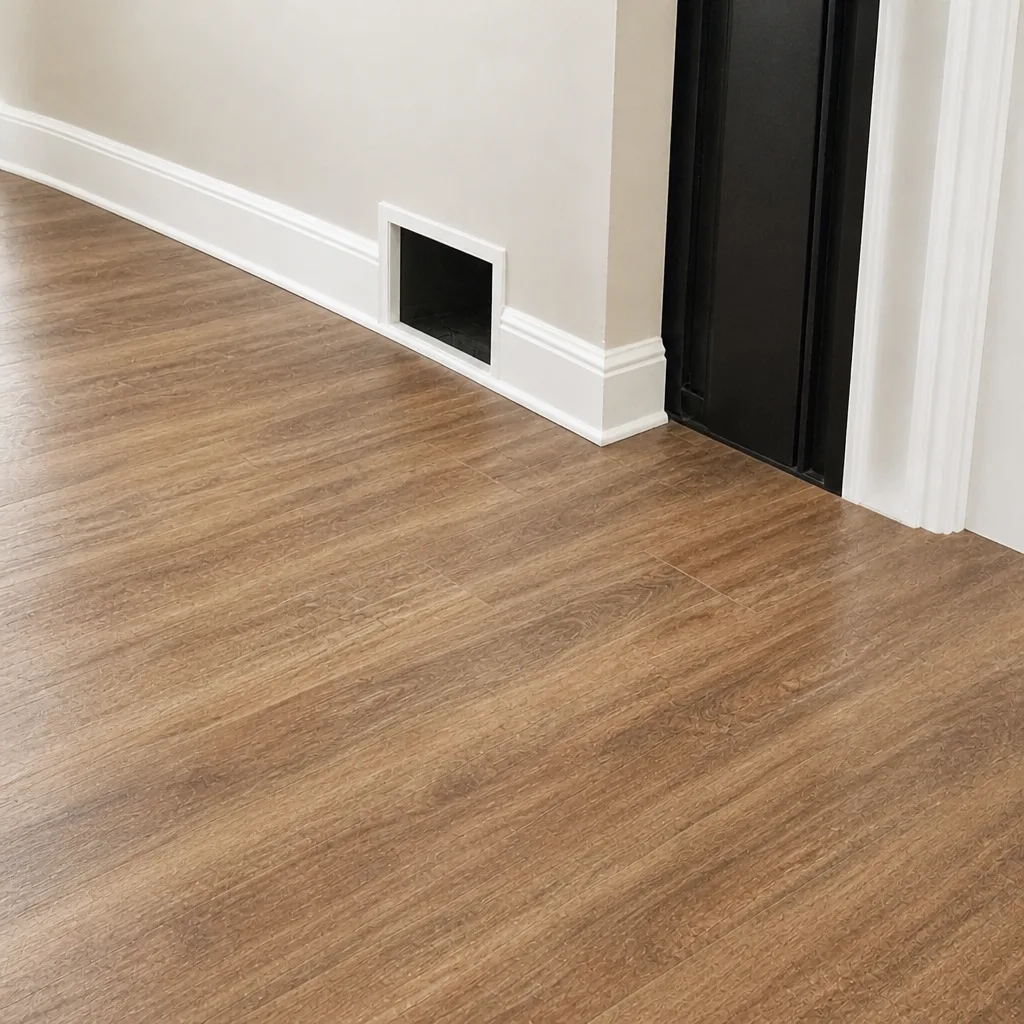
Whole-system duct and dryer vent check with before-and-after photos - you see exactly what came out of your vents
That "$99 whole-house special" is a bait ad - the real number appears once they are in your hallway, or the "clean" is a shop-vac at the register. We photograph the inside of your ducts before and after instead.
DIY vs Professional Air Duct Cleaning: The Rhawnhurst Homeowner’s Decision Guide
You can rent a duct cleaning kit and spend a Saturday on your knees pulling debris from the first foot of every register. What you can’t do is generate the negative air pressure that keeps that debris from redistributing into your living space while you work. That single physical difference decides most of the DIY vs. professional question before anyone talks about price. In Rhawnhurst, where a lot of the housing stock runs flex duct through tight chases and central returns, the contamination that actually causes problems sits well past the reach of a shop vac. This guide walks through the physics, the limited cases where DIY makes sense, and a decision framework based on three variables: system age, contamination type, and duct material.
Quick Answer
Professional air duct cleaning is the right call when your system has visible debris past the registers, flex duct with sagging runs, mold, post-renovation dust, or a return plenum you can’t reach. DIY cleaning is only reasonable as light surface maintenance on short, straight, rigid metal runs with no contamination beyond ordinary household dust. The difference that matters most isn’t the brush or the vacuum head. It’s whether the equipment can hold a sealed negative-pressure envelope around the whole system while mechanical agitation loosens what’s stuck to the walls.
Styles & brands we work with
- Whole-home duct cleaning
- Dryer vent cleaning
- Camera inspection
- Sanitizing & deodorizing
Table of Contents
- Why Negative Air Pressure Is the Whole Game
- What DIY Duct Cleaning Actually Accomplishes
- How Rhawnhurst’s Flex Duct Layouts Create Dead Zones
- A Step-by-Step Look at What Professional Cleaning Involves
- The Liability Difference If You Find Mold
- The Three-Variable Decision Framework
- What Professional Duct Cleaning Typically Costs
- Common Mistakes to Avoid
Why Negative Air Pressure Is the Whole Game
Every discussion of air duct cleaning that skips the containment step is skipping the part that protects the homeowner. When a brush or air whip dislodges dust from a duct wall, that dust has to go somewhere. Under positive pressure, or no pressure control at all, it goes into the room. Under controlled negative pressure, it goes into a HEPA-filtered collection unit.
Consumer vacuums, including the shop vacs sold as “duct cleaning kits,” move roughly 100 to 200 cubic feet per minute at the hose, and a fraction of that at the far end of a long run. Professional truck-mounted and portable HEPA units used in this trade run in the thousands of CFM range because they need to pull air through the entire duct network at once, with the register openings sealed, so the whole system acts as one plenum under suction. The pressure differential is what keeps dislodged debris moving toward the vacuum instead of into the air you breathe.
This is why attachments are a distraction. A better brush on a consumer vacuum still doesn’t create the envelope. What it does is stir up material into a room with no capture. In our experience, the most common DIY regret isn’t a scratched duct. It’s a coat of fine gray dust on every horizontal surface in the house two hours after the register comes off.
- Containment first: seals at every supply and return before any agitation begins.
- Agitation second: rotary brush contact breaks the adhesion of dust, dander, and construction debris to duct walls.
- Extraction continuously: HEPA vacuum pulls the loosened material out of the system under negative pressure.
- Verification last: before-and-after photos of the interior of the ducts, taken through the access points, confirm what actually came out.
The physics is why professional-grade systems like Rotobrush rotary brush units and Nikro HEPA vacuum equipment exist as a category. They’re built to be paired. The brush is only useful inside a containment envelope the vacuum creates.
What DIY Duct Cleaning Actually Accomplishes
We’re not going to tell you a homeowner can’t clean a duct. We’re going to tell you what a homeowner can and can’t reach, and let you decide. DIY cleaning, done with a shop vac and a flexible brush, accomplishes three real things: it removes dust and debris within about 18 inches of the register, it lets you spot obvious problems (pests, water staining, disconnected joints), and it reduces surface dust in the room closest to the register you just cleaned.
It does not clean the trunk line, the return plenum, the interior of the air handler cabinet, or the sagging middle of a flex duct run. It does not remove biological growth. It does not agitate material that’s bonded to the duct wall with the moisture and static charge that builds up over years. And it doesn’t touch the coil or the blower wheel, which are often more loaded with debris than the ducts themselves.
There is a narrow set of cases where a DIY pass is a sensible maintenance step rather than a substitute for professional cleaning:
- A newer home (roughly under ten years) with short, straight, rigid metal runs.
- No known mold, no known pest activity, no post-renovation dust event.
- A recent professional cleaning and a homeowner who wants to stay ahead of surface dust at the register boots.
- One specific register that’s visibly dusty while every other register looks clean.
Outside those cases, DIY cleaning is a lot of effort for a partial result that can make the air briefly worse. In Rhawnhurst, where a lot of homes were built between the 1950s and the 1980s and have been through at least one HVAC replacement, those conditions rarely line up.
How Rhawnhurst’s Flex Duct Layouts Create Dead Zones
Rhawnhurst’s housing runs from brick rowhouses to post-war singles, and most of the HVAC retrofits in the neighborhood use flex duct because it’s fast to route through existing chases and around the tight framing that older homes have. Flex duct is fine when it’s installed well. It’s also the duct type most likely to create contamination zones a homeowner can’t address.
The interior of flex duct is a wire-reinforced plastic liner, not smooth metal. Dust sticks to the corrugation. When a run sags, or has a bend sharper than about 90 degrees, the sagging portion becomes a low spot where debris settles and airflow slows to nearly nothing. The result is what we call a dead zone: a section of duct that’s still connected to the system, still technically “in the loop,” but effectively out of the airstream. A brush attachment that reaches in from the register will pass over the top of that low spot without disturbing it.
Beyond flex duct, Rhawnhurst’s rowhouses and semi-detached homes often share wall cavities or run ducts through interior chases that are hard to access. Central returns in older homes are frequently built as panned joist bays: a joist space closed off with sheet metal rather than a dedicated duct. Those bays have more than one seam, and seams let air in from the basement or chase behind them. Cleaning one requires more than a vacuum at the return grille.
- Sagging flex runs: low spots collect and hold debris.
- Sharp bends in flex: reduced airflow means slower accumulation of dust over more years.
- Panned joist returns: multiple seams, more infiltration pathways, harder to agitate mechanically.
- Chase routing: access points must be created to reach the runs, which is routine professional work but out of reach for DIY.
- Post-renovation drywall dust: fine, sticky, and it settles everywhere in a system that runs during the work, including in the flex corrugations.
Mechanical agitation beyond a brush attachment is what breaks contamination loose from corrugated flex and from the corners of panned returns. That’s why professional service pairs rotary brush systems with air whips and high-flow vacuum. If your home has flex duct running through a chase you can’t see into, the honest answer is that a homeowner with a shop vac is working blind.
A Step-by-Step Look at What Professional Cleaning Involves
Understanding what a proper cleaning looks like is the best way to evaluate any company, including us. A service that skips steps 1 or 7 is a service that will leave your home dustier than it found it.
- Inspection and system mapping. Every supply and return is identified, and any accessible flex runs are traced. Cold-air returns in Rhawnhurst basements are often routed differently than the supplies, and the map matters.
- Isolation. The air handler is powered down and the system is sealed at the main trunk to prevent cross-contamination into the HVAC equipment.
- Containment. Every register is sealed except the one being worked. This is where the negative-pressure envelope is established.
- Agitation. A rotary brush system is run through each branch and the main trunk. For flex and panned returns, air whips are used to reach areas a brush can’t. This is where Rotobrush rotary brush equipment does its work.
- HEPA extraction. A Nikro HEPA vacuum pulls loosened material out of the system under suction. Capture equipment, including Abatement Technologies filtration, is often used at the work area to catch anything that escapes during service.
- Air handler and coil inspection. The blower wheel and evaporator coil are checked while the system is open. Many homes discover here that the coil is the real source of a musty smell, not the ducts.
- System reconnection and verification. Registers are resealed, the air handler is brought back online, and photos of the interior before and after are taken. If we’ve seen a duct issue during the cleaning, we can fix it on the same visit. Duct repair and sealing is part of the same service, not a handoff to another contractor.
Sanitizing, when it’s appropriate, comes at the end. It’s not a substitute for removal. A fogger run through a dirty duct just coats the dirt. The point of sanitizing is to treat what remains after cleaning has removed the material growth was feeding on.
Depending on what the inspection finds, the visit can also include HVAC cleaning of the air handler and coil, or a dryer vent service if the laundry routing is accessible on the same trip.
The Liability Difference If You Find Mold
Mold changes the conversation. It is not a stronger version of dust. It’s a biological issue with remediation standards, and it is also a disclosure issue if you ever sell the home.
If a homeowner opens a register, cleans what they can reach, and never finds mold, the worst outcome is wasted effort. If a homeowner opens a register and finds visible growth on the duct interior, and then cleans it themselves with a consumer product, the situation has quietly become a DIY remediation. There is no capture equipment in this scenario. Dislodged spores are going into the living space. There is no documented before-and-after. There’s no record of what was found, what was done, or what the results were as measured by anything.
Professional service, by contrast, involves containment during the work, HEPA capture, and documentation. If a mold issue is found during a professional cleaning in a Rhawnhurst home, the response is to seal the system, treat the affected sections, and document the outcome. That documentation matters when a buyer’s inspector asks whether the HVAC system has ever had a mold issue.
Beyond mold, there are three other findings that should stop a DIY effort immediately:
- Pest activity. Mouse droppings, insect casings, or nesting material in the ducts. Droppings are a hazard to handle without respiratory protection beyond what a homeowner typically owns.
- Friable material or visible degradation of duct lining. Old internal duct insulation can shed fibers when disturbed.
- Disconnected or crushed ducts. A homeowner can’t reseal a duct by hand. If a flex run has come off its collar inside a chase, DIY cleaning will push contamination into the chase instead of out of the system.
Our position is simple: if you open a register and see anything other than ordinary dust, close it back up and call. That’s not a pitch. It’s the same advice we’d give a family member.
The Three-Variable Decision Framework
Every other question about DIY vs. professional cleaning reduces to three variables. Apply them in order. The first one that flags “professional” wins.
Variable 1: System Age and Configuration
A newer system (roughly under ten years) with short, straight runs is the best candidate for DIY maintenance. An older system (say, mid-1980s housing stock with more than one HVAC replacement) almost always has debris accumulation in the trunk line and air handler that no homeowner will reach. Rhawnhurst’s post-war and mid-century housing stock trends toward the second case.
Variable 2: Contamination Type
Ordinary household dust at the register: DIY maintenance candidate. Post-renovation drywall dust, pet dander concentration, pest activity, musty odor, visible mold, water staining, or a fire or water loss event nearby: professional.
Variable 3: Duct Material and Routing
Short rigid metal runs with accessible trunks: DIY-friendly. Flex duct with sagging runs, panned joist returns, chase routing, transitions between duct types, or any run where you can’t see both ends: professional.
Stack the three answers:
- Three DIY answers: a household maintenance pass at the registers is reasonable. Do that, monitor, and reassess at the next system check.
- One professional answer: schedule professional service. The conditions that flag “professional” are the conditions where DIY produces a partial result plus interior dust.
What Professional Duct Cleaning Typically Costs
Pricing varies by system size, number of registers and returns, accessibility of the trunk line, and whether HVAC coil cleaning or duct repair is included. Typical estimated ranges in the Rhawnhurst area:
- Standard single-system cleaning (up to roughly 10-12 registers): a whole-home air duct cleaning estimate in the several-hundred-dollar range, driven primarily by register count and accessibility.
- Larger or multi-zone systems: priced up on the same register-count basis.
- HVAC cleaning (coil, blower, cabinet) added to a duct cleaning: a separate line item in the estimate.
- Duct repair and sealing: priced by the number of runs and the access required.
- Dryer vent cleaning as a standalone service: a small job, priced on its own rather than bundled into a duct estimate.
We don’t quote per-vent prices. Per-vent pricing is where most of the industry’s bait-and-switch happens: a low teaser number that grows as each register is counted up at the kitchen table. Our pricing is one flat price per system, agreed in writing before any work starts. The estimate is free and we’ll walk through what’s driving the number. If duct repair or sealing turns up mid-service, you’ll see that in the estimate before the work happens, not on the invoice.
If you want a specific number rather than a range, that requires the inspection. Call (888) 301-3197 and we’ll set up a free estimate. We answer 24/7. Fast dispatch from 7am to 7pm, Sunday through Friday.
Common Mistakes to Avoid
- Treating a shop vac as a duct cleaning machine. A shop vac is a surface tool. Ran through a register without containment, it pushes as much dust into the room as it pulls out. The build-up of airborne fine dust on every surface after a DIY attempt is the visible sign.
- Skipping the return side. Every Rhawnhurst homeowner should know: dirt load in the ducts is usually worse on the return side than the supply side, because return air is coming back from the rooms with more entrained dust. Cleaning only the supplies is a partial job.
- Running the system during or right after DIY cleaning. Filtration and thermostat off, registers sealed, until the work is complete and settled. Running the blower pulls dislodged material into the air handler and coil.
- Sanitizing a dirty duct. A fogger on top of contamination traps moisture against the dirt and doesn’t touch what’s under it. Removal first, sanitizing after.
- Cleaning during a renovation instead of after. Drywall dust is the most common contamination event in Rhawnhurst homes, and cleaning in the middle of the work means repeating it. Wait until the sanding and painting are done.
- Ignoring the dryer vent because the ducts got cleaned. The dryer vent is a separate system with a separate safety profile. A clean air system and a lint-plugged dryer vent coexist all the time. If the dryer takes longer than it used to, the vent needs a look.
- Believing a coupon price. A low advertised number that becomes a much larger invoice once the technician is on site is the pattern. If the number isn’t in writing before work starts, it isn’t the price.
See the difference
 Before
 After
 Before
 After
 Before
 After
When to Call a Professional
Call a professional when any of the following is true: visible mold or musty odor anywhere in the duct system; pest activity or droppings; recent renovation or water event; a system you’ve never had cleaned in a home more than ten years old; flex duct with sagging runs or inaccessible chase routing; a return plenum you can’t see into; a dryer that’s taking longer than usual to dry a load. Any of those flags the case out of DIY and into a proper inspection. Air Duct Cleaning Rhawnhurst offers free estimates in Rhawnhurst. Call (888) 301-3197. We answer 24/7. Fast dispatch from 7am to 7pm, Sunday through Friday.
If a dryer vent is on the list, treat it with more urgency than the ducts. Lint accumulation in a dryer vent is a fire-safety issue, not an efficiency one. Dryer vent cleaning is a standalone service with us, which means it can be handled on its own trip if that’s what the problem turns out to be.
Frequently Asked Questions
If your home has flex duct with sagging runs, a return plenum you can’t see into, or any visible debris past the first foot of a register, it needs professional service. DIY reaches about 18 inches of the register boot and stops there. The 18 inches is rarely where the problem lives.
A shop vac cleans the surface of a duct that a brush can reach, but it can’t generate the negative air pressure needed to hold a sealed containment envelope around the whole system. The pressure differential is what keeps dislodged material moving toward the vacuum instead of into the room. Rotobrush rotary brush systems and Nikro HEPA vacuum equipment exist as a matched pair for that reason.
Most homes don’t need annual cleaning. A reasonable interval for a typical household is every three to five years, longer if the system has been protected by proper filtration. Rhawnhurst homes with recent renovation, pet dander load, or a system over twenty years old will usually benefit from a check sooner. A free estimate will tell you which camp you’re in.
Low quotes are usually one of three things: per-vent pricing that grows once counting begins, a service that cleans the first foot of each register and skips the trunk and air handler, or a coupon that ends up in a much larger invoice. Ask for one flat price per system in writing before work starts. That single question filters most of the market.
Ask for before-and-after photos of the interior of your own ducts, taken through the access points during service. Every cleaning we run produces them. Documentation also matters if mold was found, since it establishes what was seen and what was done about it.
If a professional service finds mold during a cleaning, the system is contained, treated, and documented. What should not happen is a homeowner opening a register, finding mold, and cleaning it with a consumer product: the dislodged spores go into the living space with no capture and no record. If you suspect mold, don’t clean it yourself. Call first. (888) 301-3197 for a free estimate.
The Bottom Line
The DIY vs. professional question isn’t a matter of homeowner capability. It’s a matter of physics. Consumer vacuums can’t create the negative-pressure containment tht keeps dislodged debris out of the living space, and in Rhawnhurst’s common flex duct and panned-joist return layouts, the contamination that causes problems sits in dead zones no brush attachment can reach. DIY cleaning is a reasonable light-maintenance step on newer systems with short, straight metal runs and no contamination beyond ordinary dust. Every other case belongs to professional service: mold, pests, post-renovation dust, sagging flex, or a system you’ve never had inspected. If you’re in doubt, the answer is the same either way: an inspection first, then a decision. We clean it, seal it, and sanitize it under one roof, with Rotobrush rotary brush systems, Nikro HEPA vacuums, and Abatement Technologies filtration on every job. Call (888) 301-3197 for a free estimate. We answer 24/7. Fast dispatch from 7am to 7pm, Sunday through Friday.
For a starting point on the full range of services, start with the Air Duct Cleaning Rhawnhurst overview, or schedule your estimate today.
Written by the team at Air Duct Cleaning Rhawnhurst.