
Last updated November 25, 2026
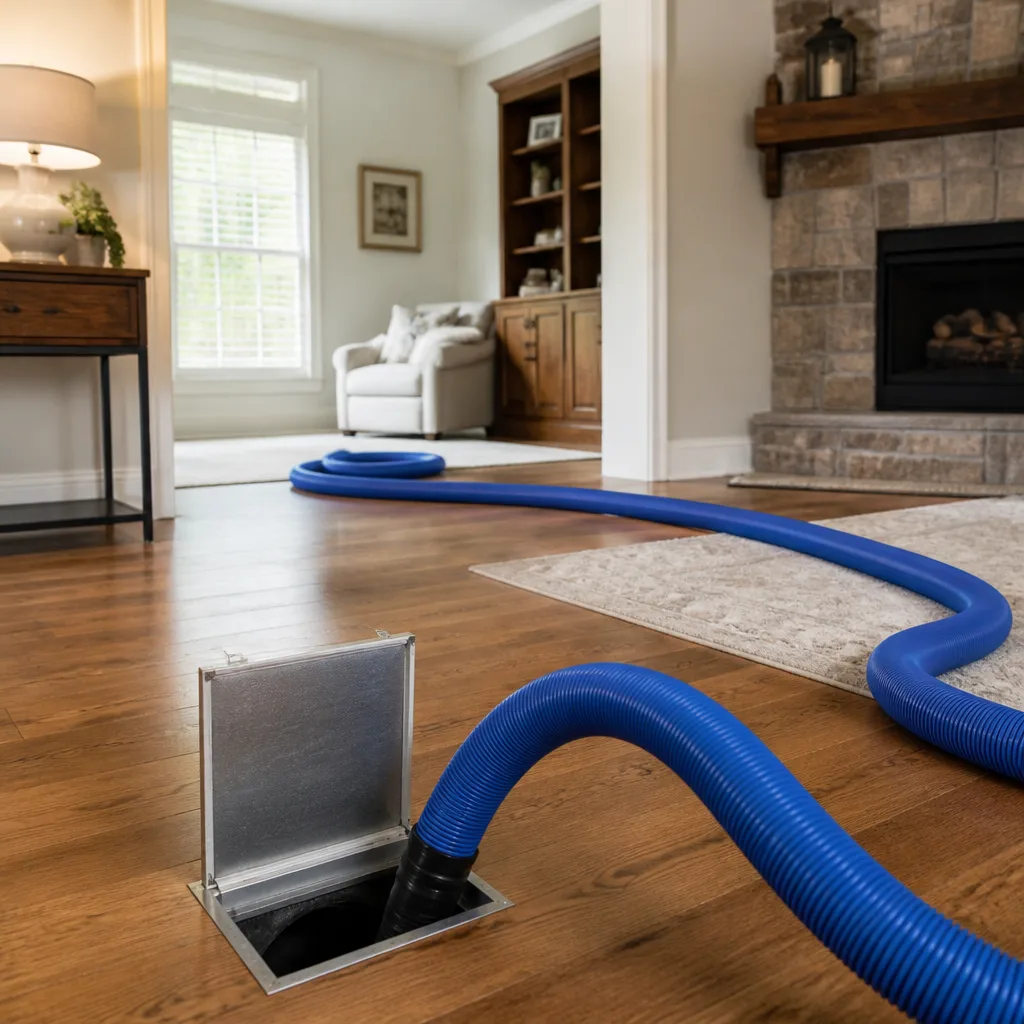 Whole-home duct cleaning
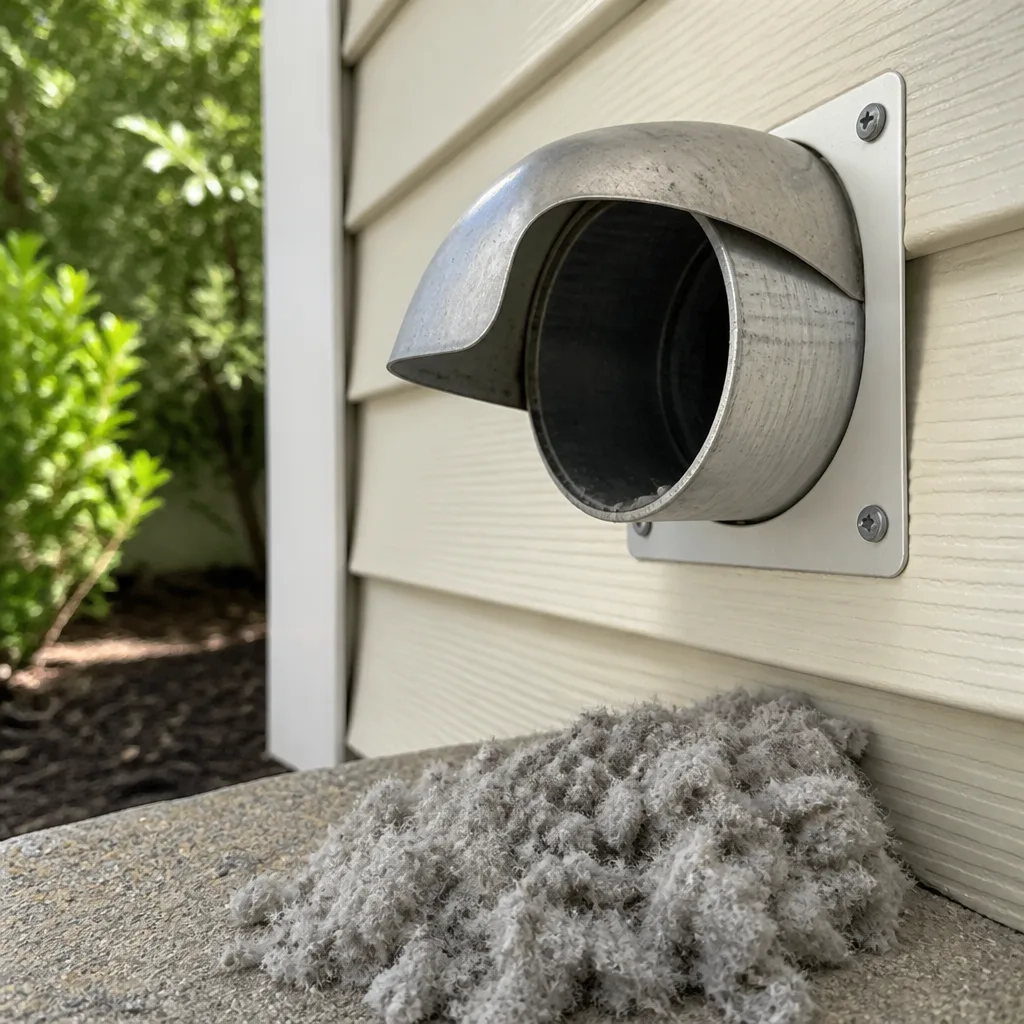 Dryer vent cleaning
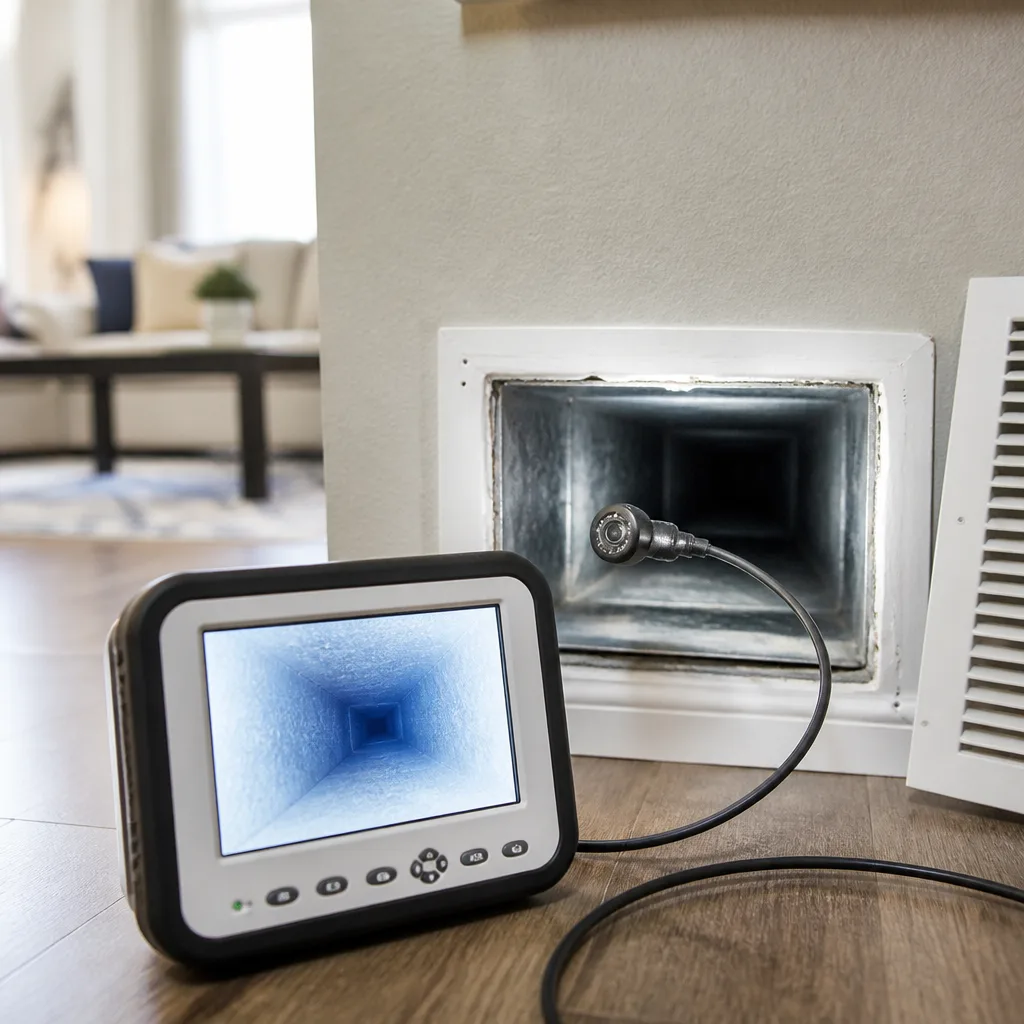 Camera inspection
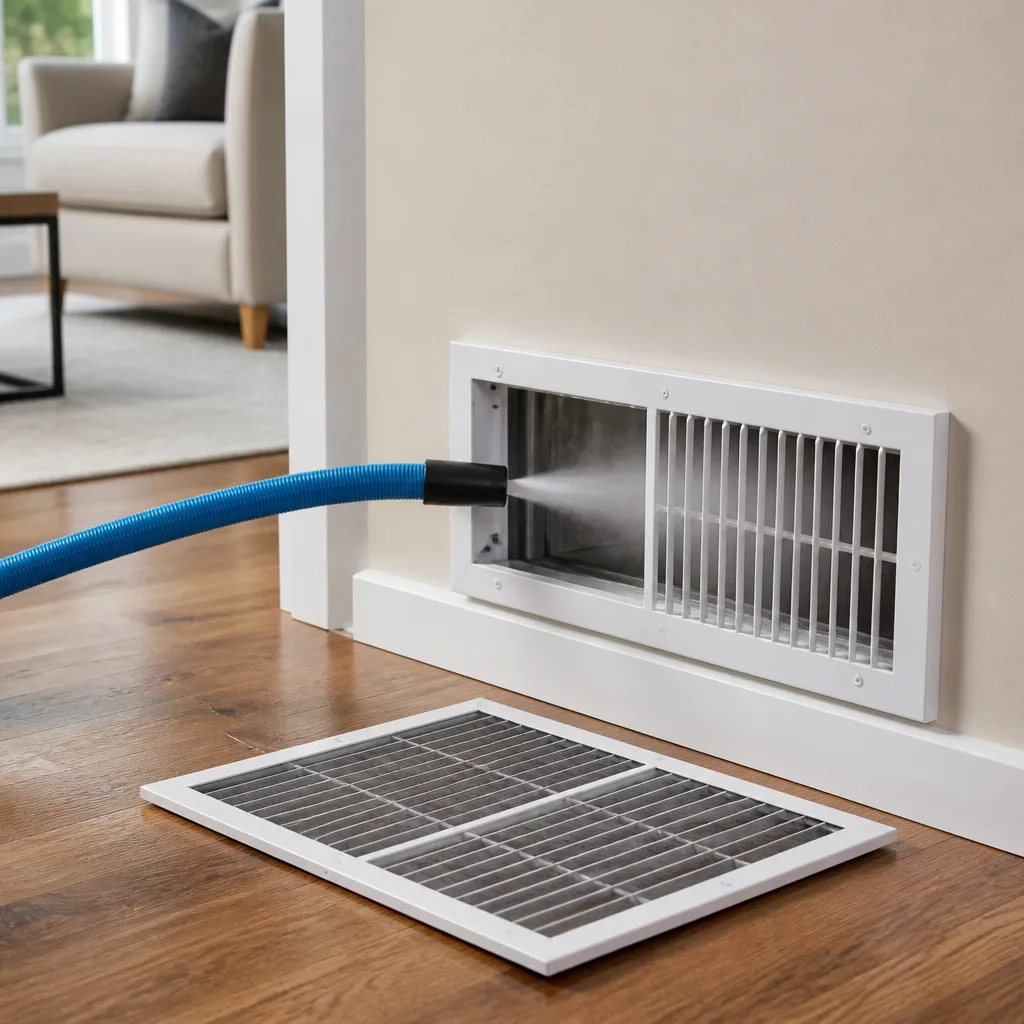 Sanitizing & deodorizing
Whole-system duct and dryer vent check with before-and-after photos - you see exactly what came out of your vents
That "$99 whole-house special" is a bait ad - the real number appears once they are in your hallway, or the "clean" is a shop-vac at the register. We photograph the inside of your ducts before and after instead.
Choosing the Right Air Duct Cleaning Brand: A Buyer’s Guide for Rhawnhurst
When a contractor says they use “professional equipment,” that phrase covers everything from a $400 duct cleaning kit sold online to a $15,000 negative air machine. The gap in performance isn’t subtle: it’s the difference between disturbing contamination and actually removing it. Most buying guides tell you to check reviews, compare quotes, and ask for references. That advice is fine, but it skips the one thing you can verify on the spot before anyone touches your ductwork: what machines are going to run inside your house. This guide explains what the equipment brand names actually mean, why they matter in Rhawnhurst’s older rowhouse and split-level housing stock, and the questions that separate an informed operator from someone who bought a kit and a business card. By the end, you’ll know what to ask any contractor, whether you hire us or not.
Quick Answer
The right air duct cleaning brand in Rhawnhurst is one that runs mechanical contact agitation (a rotary brush system like Rotobrush) and HEPA negative air containment (units like Nikro) as a pair, not a static shop vacuum. Brand names alone don’t guarantee a good job, but they tell you the contractor invested in real extraction capacity rather than a surface-level kit. Ask what machines they use, why they chose them, and how they contain dislodged dust during the work. The answer will tell you everything.
Styles & brands we work with
- Whole-home duct cleaning
- Dryer vent cleaning
- Camera inspection
- Sanitizing & deodorizing
Table of Contents
- Why the Equipment Brand Is the Most Honest Credibility Signal
- What Rotobrush Systems Do That a Static Vacuum Cannot
- Nikro, Negative Air, and Why CFM Relative to Duct Volume Matters
- Abatement Technologies: When Remediation Equipment Belongs on a Standard Job
- The Full-System Specialist Test: Five Services Under One Roof
- Questions to Ask Any Contractor Before You Book
- What Rhawnhurst Housing Stock Means for Equipment Choice
- What a Properly Equipped Cleaning Visit Looks Like
Why the Equipment Brand Is the Most Honest Credibility Signal
Any contractor can print “professional” on a business card. Equipment is harder to fake. A Rotobrush rotary brush system, a Nikro HEPA vacuum unit, or an Abatement Technologies negative air machine each represents a real capital investment that a low-bid operator can’t recover by charging a coupon price. When a crew shows up with a shop vacuum and a long hose, they didn’t make an equipment decision at all. They made a pricing decision, and the price was low because the machine was cheap.
This isn’t about brand loyalty. It’s about what the equipment tells you about how a contractor thinks. A contractor who buys Rotobrush and Nikro is a contractor who understands that air duct cleaning has two problems to solve: loosing the debris stuck to the duct walls, and capturing it before it drifts into the living space. Cheaper equipment solves neither. The brush is too soft to agitate caked dust, or the vacuum isn’t strong enough to keep up with what it dislodges.
In Rhawnhurst, this distinction lands harder than in new construction. The neighborhood’s homes date mostly from the 1950s through the 1970s, when HVAC ductwork was often installed with stamped sheet metal, short run lengths, and flex duct at the registers. Decades of collected dust, pet hair, and renovation debris sit behind every supply grille. A static vacuum stirs that material up. A rotary brush removes it. The difference in what leaves your duct system isn’t a matter of degree; it’s a matter of whether the cleaning was real.
Equipment signals a second thing too: whether the contractor is set up to handle what they find. Ducts that show debris on the first pass often show loose seams, disconnected flex runs, or gaps at the boots once the system is opened up. A contractor with only a vacuum has to stop and refer you out. A contractor with repair and sealing capability fixes it on the same visit. That’s why we treat equipment and scope as one conversation when we quote a Rhawnhurst job.
What Rotobrush Systems Do That a Static Vacuum Cannot
A Rotobrush system does two things simultaneously: it mechanically agitates the duct wall with a rotating brush head, and it extracts the loosened material through the same hose assembly. That combined action is the whole point. Static vacuum systems, even strong ones, only pull air through a duct. They cannot scrape the film of adhered dust and residue that clings to the sheet metal surface, and in most homes that adhered layer is where the bulk of the contamination sits.
Think of the difference between hosing down a driveway and scrubbing it with a stiff brush. The hose washes away what’s loose. The brush breaks up what’s bonded. Duct walls develop a bonded layer of dust, cooking residue, and in Rhawnhurst’s older homes, sometimes construction grit from a past renovation. That layer doesn’t lift with airflow alone.
What Rotobrush brings to a standard residential job:
- Mechanical contact: the brush head makes physical contact with the duct interior, agitating material that airflow cannot lift.
- Simultaneous extraction: the vacuum runs while the brush turns, so the loosened material has nowhere to settle back down.
- Reach into flex duct: the whip and brush assemblies follow the duct’s contours, which matters in homes where the last five feet to the register is flexible duct.
- Visual verification: before-and-after photos of the duct interior become possible because the brush pass changes what the camera sees.
When you call a contractor in Rhawnhurst, ask specifically whether they use a rotary brush system and whether the vacuum runs simultaneously with the brush or after it. If the brush runs first and the vacuum second, dust is being loosened and left to drift. If the vacuum runs throughout, that’s a properly configured system. Our own crews use Rotobrush for exactly this reason, and we’re happy to explain the setup on the phone before you book anything.
Nikro, Negative Air, and Why CFM Relative to Duct Volume Matters
Nikro builds the HEPA vacuum units and negative air machines that professional duct cleaners run alongside a rotary brush system. The reason this matters is containment. When you disturb decades of dust inside a duct system, that material becomes airborne in seconds. Without negative air pressure holding the system under vacuum, the dust finds the path of least resistance: through supply registers, into the rooms where your family sleeps and eats.
Negative air means the pressure inside the duct system is lower than the pressure in the room. Air flows in, not out. Everything dislodged during cleaning gets pulled toward the vacuum, not toward the nearest couch. Nikro units are built for this: HEPA filtration on the exhaust, high airflow capacity, and enough static pressure to hold a whole residential duct system under vacuum throughout the job.
Here’s the specification question most homeowners never ask, and it’s the one that matters most: what is the CFM rating of the vacuum relative to the volume of the duct system being cleaned? CFM stands for cubic feet per minute, the volume of air the vacuum can move. A 1,500-square-foot Rhawnhurst rowhouse with a compact trunk-and-branch system has less duct volume than a 3,000-square-foot split-level with long runs to a rear addition. A vacuum that’s adequately sized for one is undersized for the other. When a contractor quotes the same flat rate for both without inspecting, they’re either overcharging the small job or under-equipping the large one.
This is also where the “we have HEPA filtration” claim needs a follow-up. HEPA on the exhaust filters the air leaving the machine. It doesn’t tell you whether the machine can hold the whole system negative. Ask the contractor to describe the machine they’ll use and how they’ll verify the system is under vacuum during the cleaning. A contractor who can explain this in plain language is a contractor who understands their own equipment.
Abatement Technologies: When Remediation Equipment Belongs on a Standard Job
Abatement Technologies builds air filtration and negative air equipment used widely in restoration, mold remediation, and asbestos abatement work. Those are jobs where the air quality in the work area has to meet a much higher standard than a routine cleaning, because the contaminants being disturbed are genuinely hazardous. Bringing that class of equipment onto a residential duct cleaning job is a deliberate choice, not an upsell.
In our experience, Abatement Technologies filtration earns its place on jobs where standard containment isn’t enough:
- Post-renovation cleanup: a Rhawnhurst homeowner who just finished a kitchen or bathroom remodel is dealing with drywall dust, joint compound residue, and sawdust that has migrated into the return system. That material is finer and more mobile than ordinary household dust.
- Water damage history: any home that has had a roof leak, sump backup, or supply line failure carries the risk of biological growth inside the duct system. Standard cleaning equipment can spread spores; remediation-grade filtration captures them.
- Long-deferred maintenance: duct systems that haven’t been cleaned in many years can hold a heavier debris load that requires stronger containment during the first pass.
- Occupants with respiratory sensitivity: some households simply want the highest available standard of air capture during the work itself, regardless of debris load.
The key insight for buyers is this: a contractor who owns remediation-grade filtration equipment isn’t necessarily going to use it on every job, but the fact that they own it means they understand the difference between routine cleaning and a job that needs more. That’s the equipment literacy you want in whoever opens up your ducts. When we assess a Rhawnhurst home, we decide between standard containment and Abatement Technologies filtration based on what we actually see inside the system, not on a fixed template.
The Full-System Specialist Test: Five Services Under One Roof
Equipment tells you whether the contractor can clean. Scope tells you whether they can finish the job. Air duct cleaning sits in the middle of a larger system, and any contractor who only cleans ducts is going to hand you off to someone else the moment they find a disconnected run, a failing dryer vent, or a return plenum that needs attention. A full-system specialist handles the whole scope, which matters more in Rhawnhurst’s aging housing stock than in newer construction.
There are five service categories that together define a complete air system contractor:
- Air duct cleaning. The core service, using rotary brush and HEPA vacuum as described above. This is the work most people think of, and it’s the starting point for everything else.
- Dryer vent cleaning. A standalone fire-safety service, not an add-on. Lint accumulation in the dryer vent line is a genuine hazard, and many duct-only cleaners either skip it or subcontract it out. A contractor who offers it as a dedicated service has the right equipment and the right training.
- HVAC cleaning. The air handler, evaporator coil, and blower assembly all collect dust and debris. Cleaning the ducts without cleaning the equipment that pushes air through them leaves a significant contamination source in place.
- Duct repair and sealing. Loose seams, disconnected flex, and gaps at the boots are common in older Rhawnhurst homes. A contractor who can repair and seal what they find eliminates the second service call most homeowners end up making.
- Air quality and sanitizing. After the ducts are clean and sealed, the filtration and sanitizing layer determines what stays clean. This is where product knowledge (Honeywell, Aprilaire, Guardsman) becomes useful as a recommendation tied to your actual system, not a catalog pitch.
If you’re comparing contractors, ask which of these five they handle in-house. A contractor who does all five can find something and fix it on the same visit, and you won’t be scheduling a second vendor for the seal work. Our five-category scope is set up for exactly this reason; it’s the reason we can say we clean it, seal it, and sanitize it without handing you off mid-job.
Questions to Ask Any Contractor Before You Book
This section is the practical takeaway of the whole guide. Write these down, call any contractor, and listen to how they answer. The ones who know their equipment will answer in specifics. The ones who don’t will get vague.
- “What machines will actually run inside my house?” You’re listening for a specific brand and a specific type of machine, not a general answer. “Professional equipment” without a brand is a non-answer.
- “Does the vacuum run at the same time as the brush?” This is the rotobrush question. Simultaneous extraction means the loosened dust has nowhere to settle; sequential operation means it does.
- “How do you keep the dust from blowing back into my rooms?” The right answer describes negative air pressure and HEPA filtration on the exhaust. The wrong answer is “we’re careful.”
- “How do you size the vacuum for my system?” A contractor who can talk about CFM relative to the volume of ductwork in your specific home is a contractor who thought about the problem.
- “What happens if you find a disconnected duct or a gap at a boot?” If the answer involves “we’ll note it and you can call someone,” the contractor doesn’t do repair work. You want the contractor who repairs and seals on the same visit.
- “Do you clean the air handler and blower along with the ducts?” Ducts that are clean feeding an air handler that isn’t is half a job.
- “Can I see before-and-after photos of my own duct system, not a stock photo?” Any contractor running proper equipment can produce visual evidence. Any contractor who can’t is asking you to trust them without proof.
Two follow-ups matter too. Ask “how long will the visit take?” and listen for a realistic estimate based on your home’s size and duct count, not a fast number that suggests shortcuts. And ask “what products do you recommend for filtration after the cleaning?” If they name a general home-center filter with no reference to your specific system, ask whether they work with Honeywell or Aprilaire or similar brands. The right filter for your system is one recommended after the technician has seen inside it, not before.
What Rhawnhurst Housing Stock Means for Equipment Choice
Rhawnhurst is a Northeast Philadelphia neighborhood of rowhouses, twins, and split-levels built mostly in the post-war decades. That housing profile shapes what air duct cleaning actually involves, and it changes which equipment capabilities matter most.
Rowhouses tend to have compact, straightforward duct runs: a central trunk and short branches to each room, often with the air handler in a basement or utility closet. These systems are easier to clean efficiently than sprawling suburban layouts, but the short run lengths mean less air volume in the system to buffer against dust. Contamination concentrate builds up quickly near the registers, and a vacuum sized for the job can clear the whole system without extended work. The risk here is a contractor who rushes in and out and calls it done; the short runs make the cleaning look fast whether it was thorough or not.
Split-levels and twins in Rhawnhurst often have longer duct runs and rear additions or finished basements added later, sometimes with flex duct that has to be cleaned carefully to avoid tearing the liner. In those systems, sizing the vacuum relative to duct volume matters, and the rotary brush system has to be set up so it follows the flex duct’s contour rather than punching through it. This is where the cheap equipment genuinely costs you: a poorly controlled brush can damage the very duct you’re trying to clean.
The season matters too. Rhawnhurst summers are humid and hot, and HVAC systems run long cycles. That means return air sweeps through the duct system many times a day, pulling the household’s dust and dander into the returns and distributing it across the supply runs. Fall brings leaf debris and the first heating cycles of the year; winter runs the furnace constantly. By the time most homeowners think about duct cleaning, the system has done a full year of work. Anyone booking a job in Rhawnhurst should expect to find more accumulated material than their neighbors in newer construction, which makes the difference between real extraction and a surface pass that much larger. If you’re curious how the core service works in detail, our page on air duct cleaning walks through the process step by step.
What a Properly Equipped Cleaning Visit Looks Like
You don’t need to become an equipment expert to judge a visit. You need to know what a properly equipped crew does when they arrive, in order. Here’s the sequence, and you can check each step against what the crew that shows up actually does.
- Inspection before any machine starts. The technician opens registers, looks inside accessible ducts, and notes the system layout, including any flex duct and any previously sealed or repaired sections. This is where the equipment decision for your home gets made.
- Containment setup. HEPA vacuum and negative air equipment get positioned to hold the duct system under vacuum. Filter media and floor protection go down if the work area needs it. This is the step every homeowner should watch for because a crew that skips it isn’t going to remove dust, only stir it.
- Rotary brush and simultaneous extraction, run by run. Each supply and return run is cleaned individually with the brush working against the duct wall while the vacuum pulls. The registers are cleaned separately.
- Air handler and blower cleaning. The equipment that pushes the air gets the same treatment. Ducts and air handler are cleaned together or not at all.
- Repair and sealing if issues are found. Loose seams, disconnected runs, and gaps are repaired with the right materials and sealed. Find it and fix it on the same visit.
- Before-and-after photos of your own ducts. The contractor shows you what was there and what it looks like now, on your system, not on a stock image.
- Product recommendation tied to your system. Filtration and sanitizing recommendations come after the technician has seen inside the system, not before. That’s where brands like Honeywell and Aprilaire connect to actual diagnostic findings.
A properly equipped visit takes time because it has to. Any contractor who can finish a whole-house duct cleaning in twenty minutes didn’t do a whole-house duct cleaning. A professional-grade rotary brush system and a properly sized HEPA vacuum need the runs, the air handler, and the register boots to be worked one at a time. If the visit feels rushed, the answer is in the equipment.
We also offer dryer vent cleaning as a standalone service for Rhawnhurst homeowners, and HVAC cleaning for the air handler side of the system. Both use the same professional-grade equipment and the same containment mindset as the duct work. Many households book them together, but they’re separate services with separate equipment needs, and we’re glad to explain which one your home actually needs first.
Common Mistakes to Avoid
- Judging by price alone. A very low quote usually means a very low equipment investment. When the contractor’s machine cost as much as the quote, the machine can’t do the work, and you’ll pay twice (once for the bad job, once for the correction).
- Accepting “professional equipment” as an answer. That phrase covers a $400 kit and a $15,000 negative air machine. Ask for the brand and the machine type, and listen for specifics.
- Booking a duct cleaning without the air handler and blower. Ducts that are clean connected to a blower that’s caked in dust are half-clean. A full-system specialist handles both.
- Letting a contractor who can’t repair walk away from loose seams. In Rhawnhurst’s older housing stock, disconnections and gaps at the boots are common. A contractor who can only report the problem is handing you a second project. Find one who repairs and seals on the same visit.
- Skipping the dryer vent. Lint accumulation in the dryer vent is a genuine fire hazard, and plenty of duct-only cleaners skip it or subcontract it out. It’s worth asking about on any home visit.
- Accepting stock photos as proof of work. Any properly equipped contractor can show you before-and-after photos of your own duct system. Stock photos tell you nothing about whether the work happened.
- Buying a filtration product before the inspection. The right filter for your system depends on what the technician finds inside. Recommendations made before the duct system is opened are worth about as much as the machine that wasn’t there to open it.
See the difference
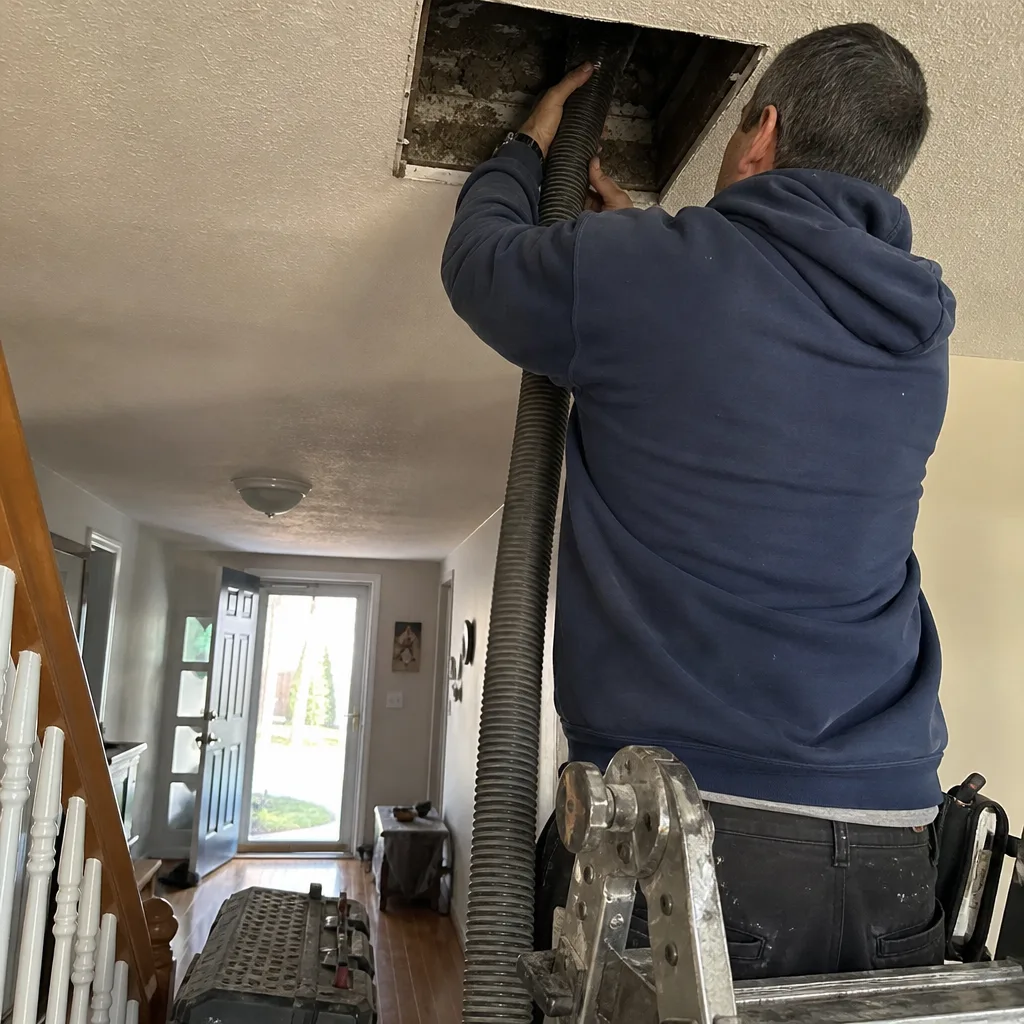 Before
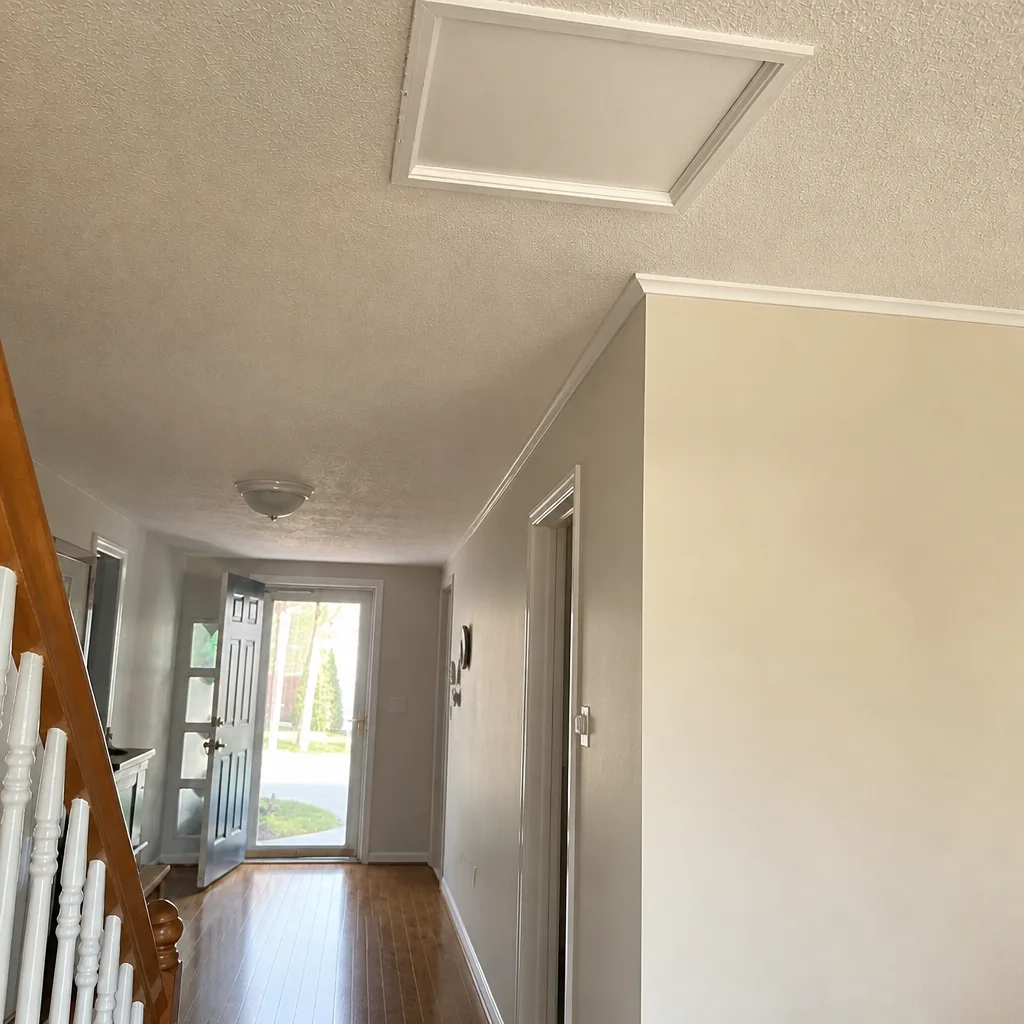 After
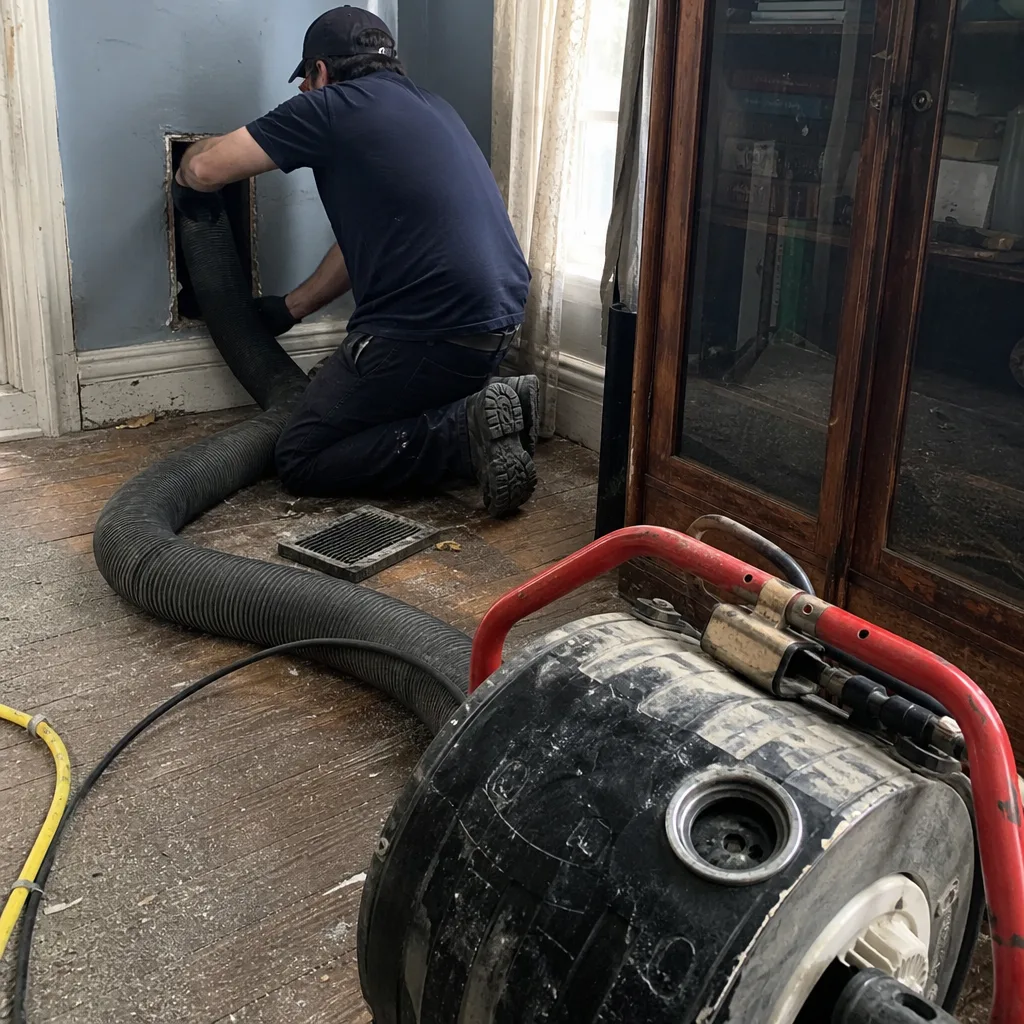 Before
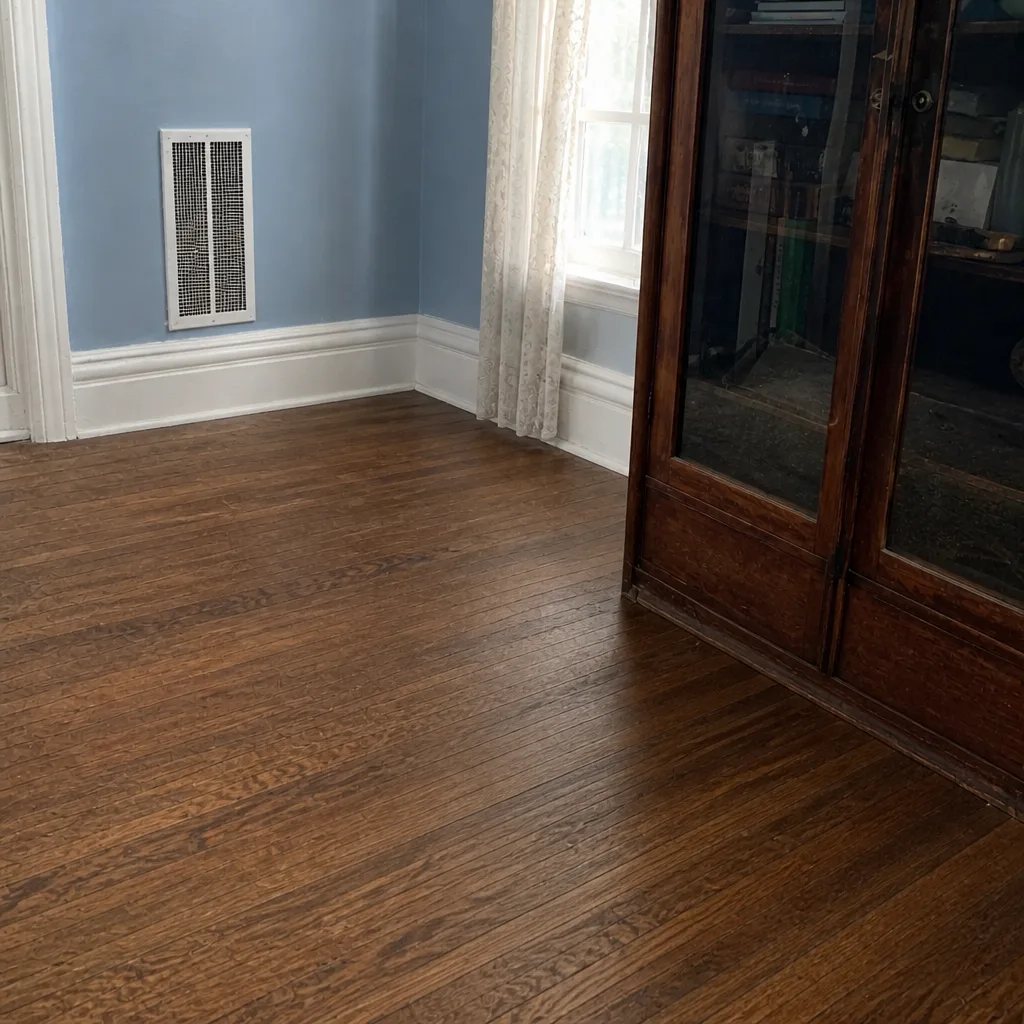 After
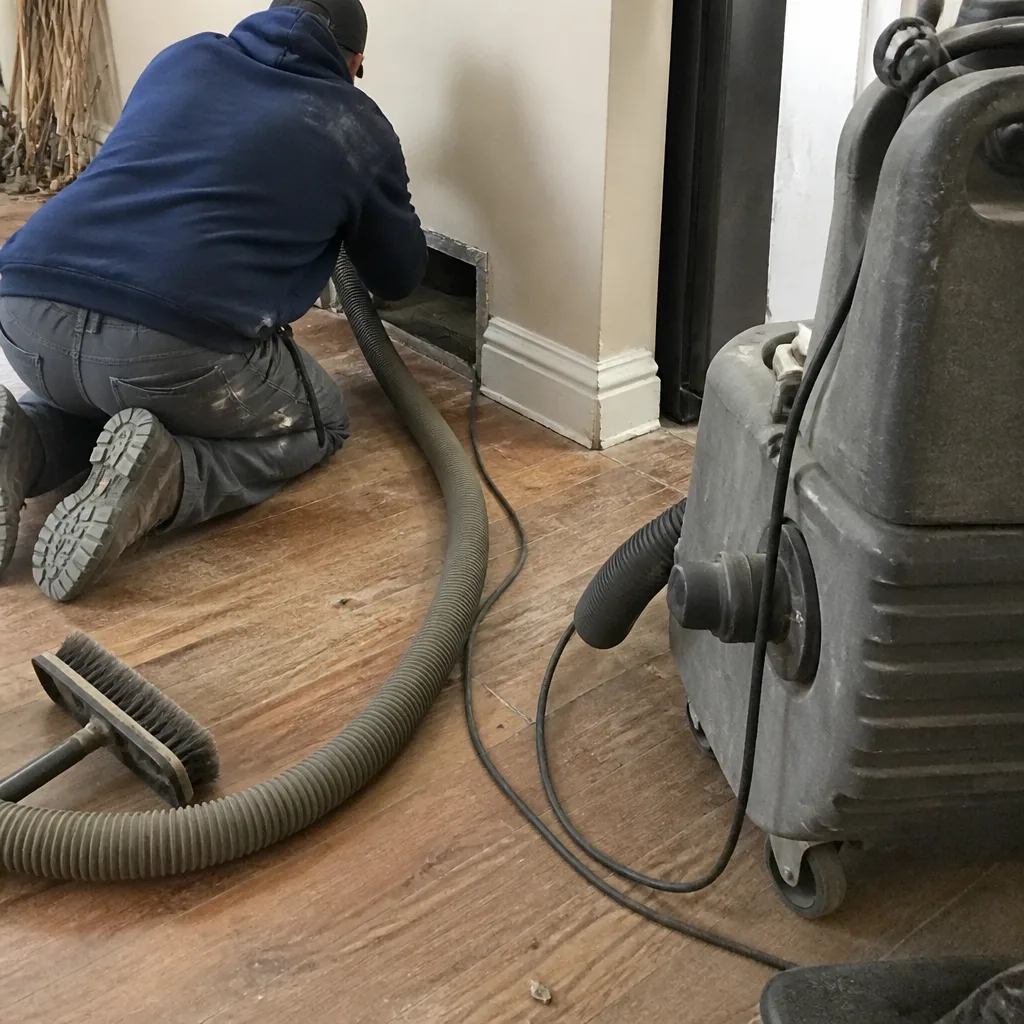 Before
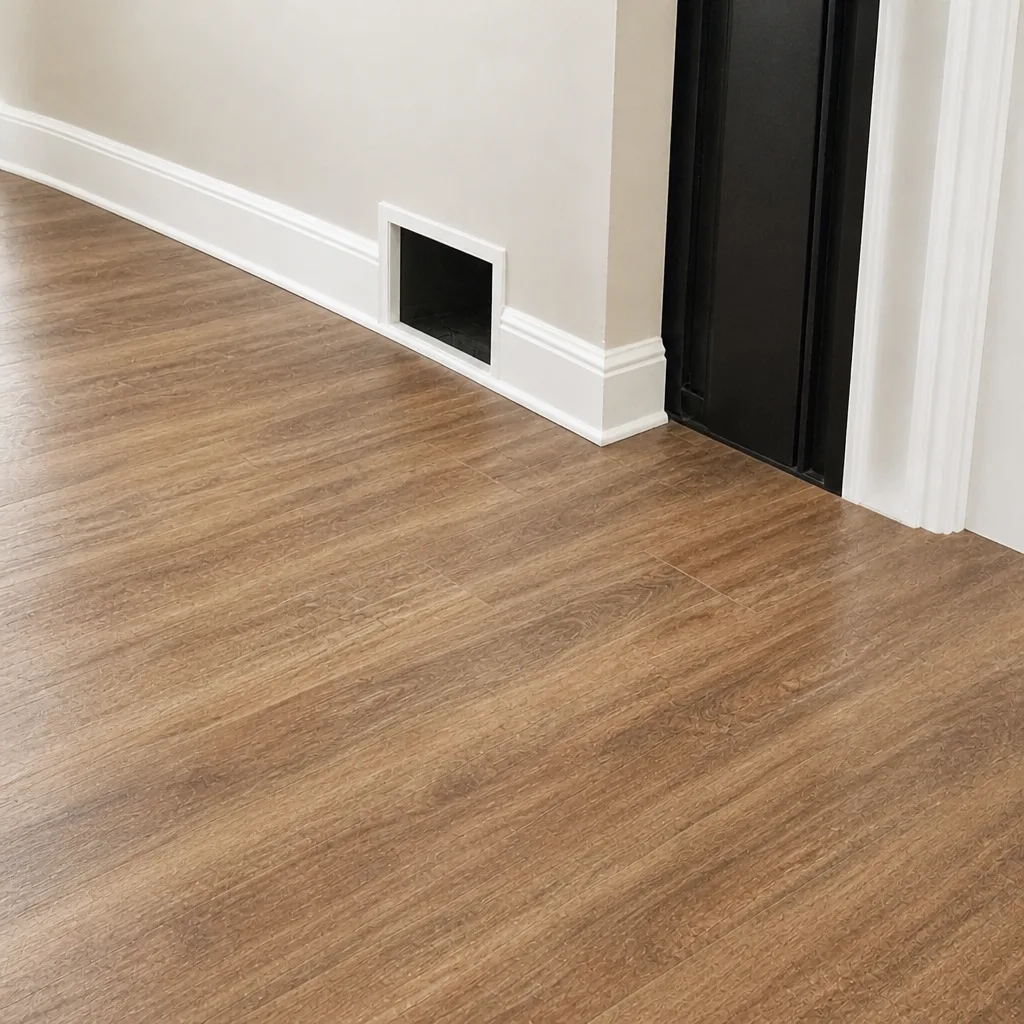 After
When to Call a Professional
Some air quality concerns resolve with a filter change. Others don’t. The scenarios that call for a properly equipped professional include visible dust coming from supply registers shortly after the HVAC cycles on, a recent renovation that pushed drywall dust and joint compound residue through the return system, an aging HVAC system that’s never had its ducts cleaned, a first-time inspection on a home you’ve just bought, and any home with occupants who notice more respiratory sensitivity during the heating and cooling seasons. Persistent musty odors when the system runs are another signal worth a professional look. And the dryer vent deserves its own visit as a safety item, separate from duct cleaning.
The right contractor for a Rhawnhurst home is one who can explain the equipment, size the vacuum to your system, contain the dust, repair what they find, and show you before-and-after photos. If you’d rather not vet the equipment question alone, Air Duct Cleaning Rhawnhurst offers free estimates in Rhawnhurst at (888) 301-3197. We answer 24/7, with fast dispatch from 7am to 7pm, Sunday through Friday.
Frequently Asked Questions
It means the contractor runs mechanical contact agitation (a rotary brush system such as Rotobrush) with simultaneous HEPA vacuum extraction, plus negative air containment equipment sized to the duct system. A shop vacuum and a hose are not professional-grade, no matter what the marketing says. Ask for the brand name and the machine type, and listen for specifics.
No. They’re two of the widely used professional brands on the market, and they tell you the contractor made a serious investment in the right kind of equipment. Other professional brands exist. What matters more than the brand is the machine type: rotary brush with simultaneous extraction, HEPA vacuum, and negative air containment. Ask about the machine types before you worry about the logo.
Negative air pressure means the pressure inside your duct system is lower than the pressure in the room, so air flows in toward the vacuum instead of out through the registers. It holds the dislodged dust in the system during cleaning rather than letting it drift into the rooms where you live. In older homes with more accumulated debris, this matters even more.
Home-center rentals exist, but they typically can’t do what a professional system does in terms of containment, brush agitation, and vacuum capacity. A rental machine stirs up more than it removes, which puts the debris into your living space rather than out of the house. Duct cleaning is a scheduled, equipment-intensive job and worth having done properly.
Low quotes typically reflect a much lower equipment investment. The contractor who charges less is usually working with a basic static vacuum rather than a rotary brush and HEPA system, and possibly no containment setup. That saves money on the invoice, but it doesn’t remove contamination from your ducts. Get the equipment specification along with the quote, and you’ll see why the numbers differ.
Ask for before-and-after photos of your own duct system, not stock images. A properly equipped contractor can capture the duct interior before cleaning and after. You should see visible difference, especially at the supply runs and the air handler if it was cleaned. If you were quoted a full-system price and you can’t see the difference, you didn’t get a full-system cleaning.
The Bottom Line
Equipment brand is not a status symbol; it’s the most honest credibility signal in the air duct cleaning trade. A contractor who buys Rotobrush rotary brush systems, Nikro HEPA vacuums, and Abatement Technologies filtration has invested in the machines that actually agitate and remove contamination instead of disturbing it. That investment tells you something about how they approach every job, including yours. Combined with a full-system scope (air duct cleaning, dryer vent cleaning, HVAC cleaning, duct repair and sealing, and air quality and sanitizing), it’s the difference between a quick visit and a proper job. Ask the questions, get the equipment specification along with the quote, and you’ll know exactly what you’re paying for. Our technicians have up to 13 years of experience, and we’re happy to walk you through anything on this guide.
If you’d like to talk through what your Rhawnhurst home actually needs, call (888) 301-3197 for a free estimate. We answer 24/7, with fast dispatch from 7am to 7pm, Sunday through Friday. Start with the questions from this guide, and if we’re the right fit, we’ll show you the equipment before we answer anything else. More on what we do at Air Duct Cleaning Rhawnhurst.
Written by the team at Air Duct Cleaning Rhawnhurst.