
Last updated November 25, 2026
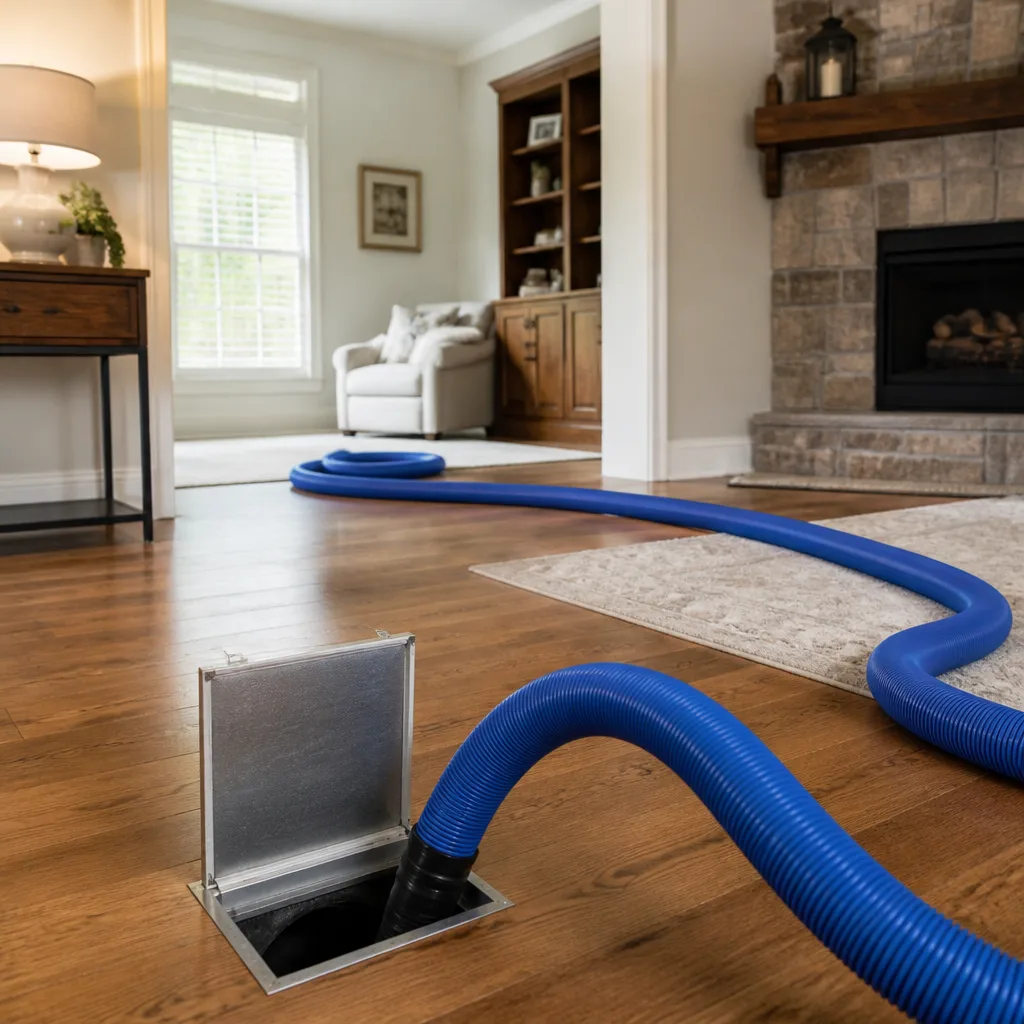 Whole-home duct cleaning
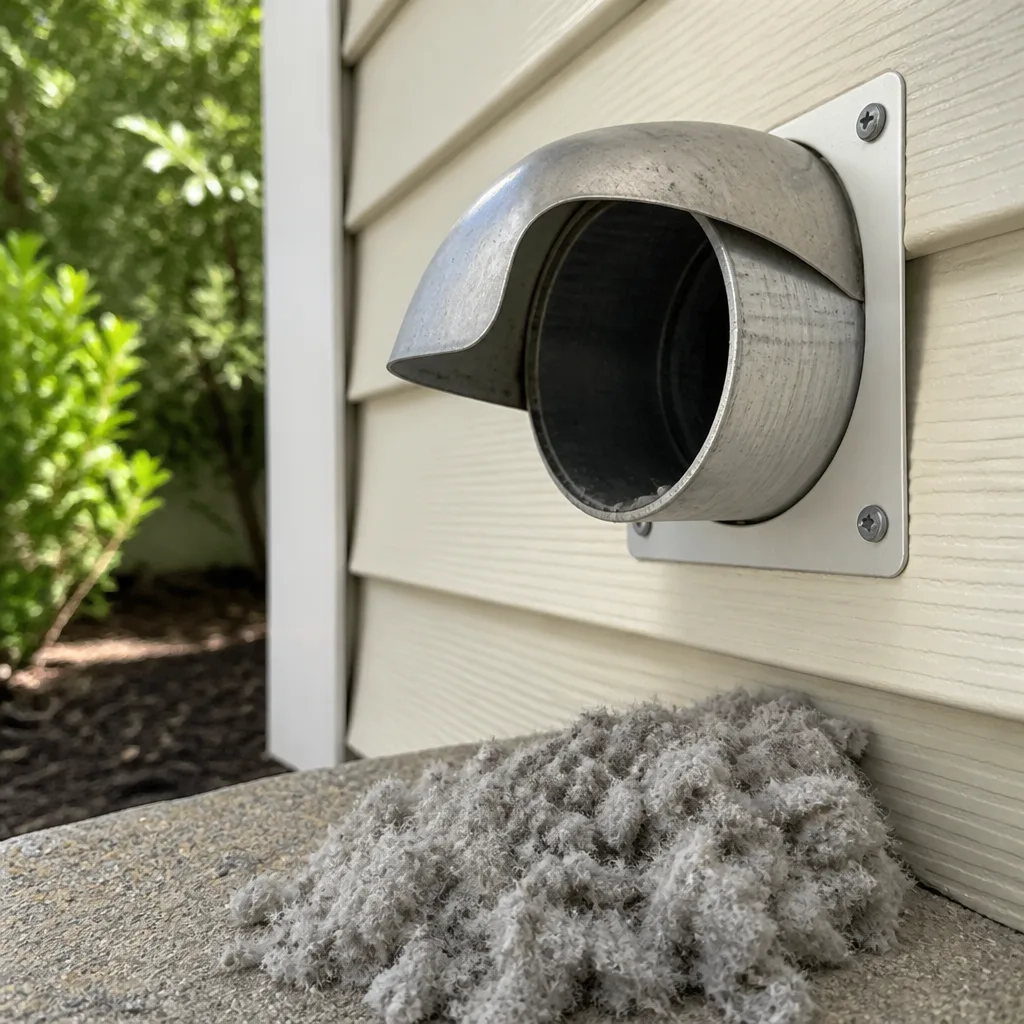 Dryer vent cleaning
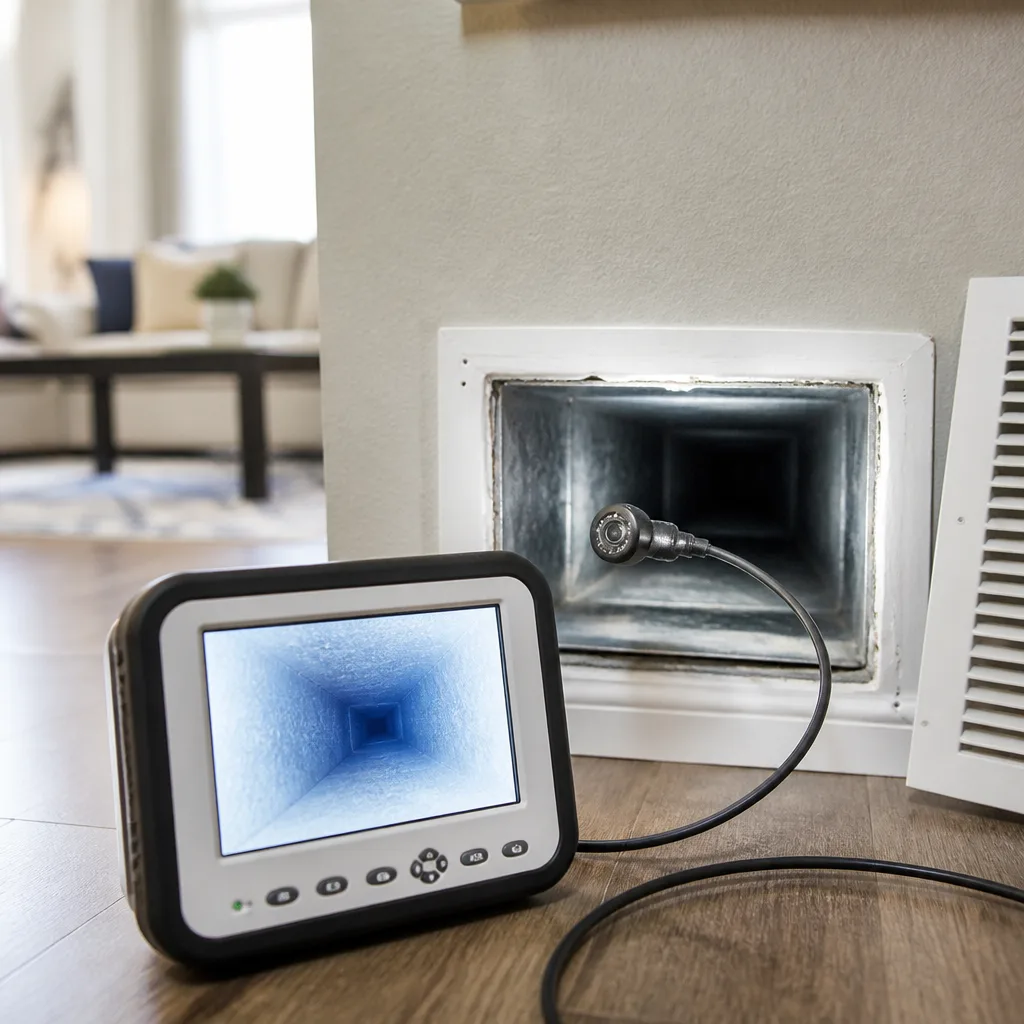 Camera inspection
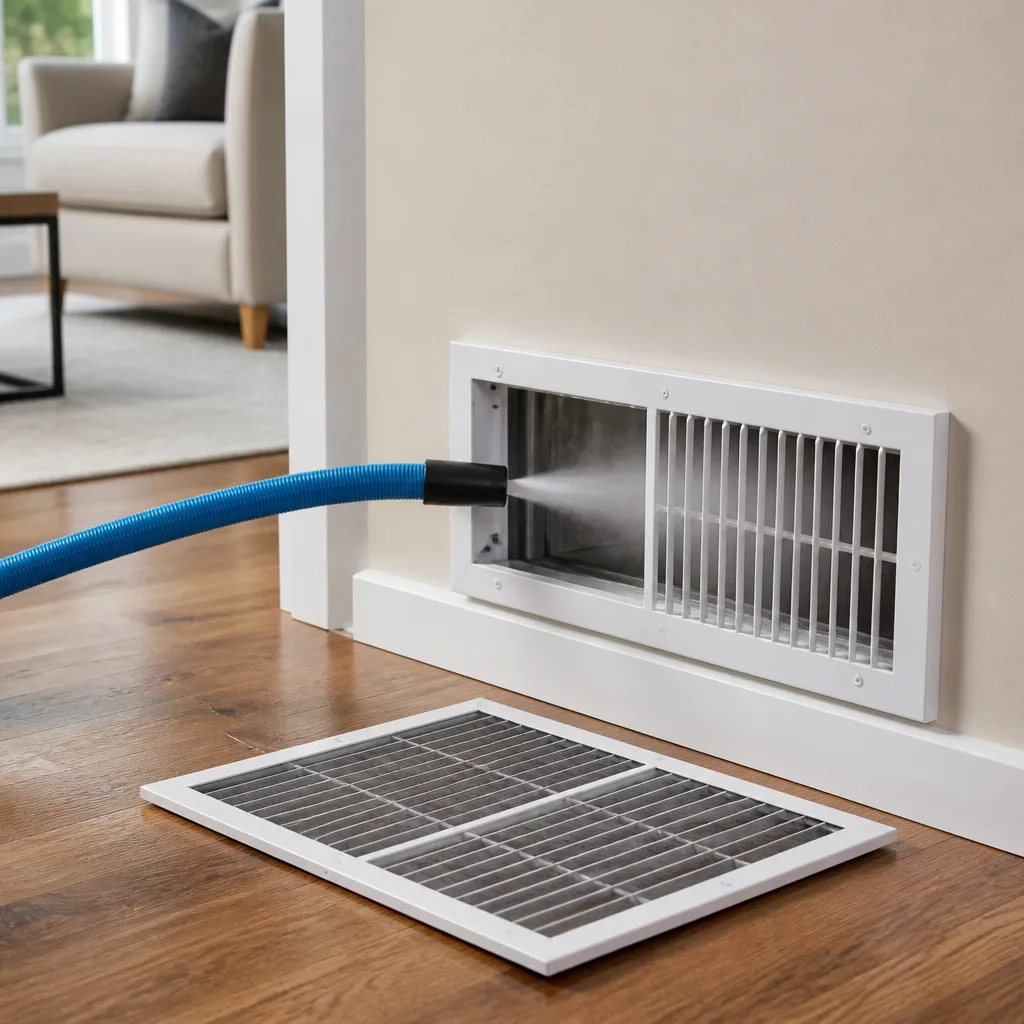 Sanitizing & deodorizing
Whole-system duct and dryer vent check with before-and-after photos - you see exactly what came out of your vents
That "$99 whole-house special" is a bait ad - the real number appears once they are in your hallway, or the "clean" is a shop-vac at the register. We photograph the inside of your ducts before and after instead.
Air Duct Cleaning Emergency Preparedness Guide for Rhawnhurst Homes
After a basement flood, most homeowners call a water damage company, run dehumidifiers, and consider the problem managed. What they don’t do is shut down the HVAC system, which has been pulling humid, potentially contaminated air across the duct network the entire time. The same blind spot shows up after a kitchen fire, a two-week bathroom renovation, or a mouse problem in the crawlspace. In each case the ductwork becomes the delivery system for whatever the emergency left behind. This guide walks Rhawnhurst homeowners through exactly what to do with the HVAC system in the first 24 hours of a flood, fire, renovation, or rodent intrusion, and how to document all of it before the cleaning crew arrives.
Quick Answer
In any home emergency involving water, smoke, construction dust, or rodents, the HVAC system should be shut off at the thermostat immediately and kept off until a professional has inspected the duct interior. Restarting the system before assessment pushes contaminants deeper into the network. Call a duct specialist to document conditions with photos and a written scope, then clean, repair, and sanitize before normal operation resumes.
Styles & brands we work with
- Whole-home duct cleaning
- Dryer vent cleaning
- Camera inspection
- Sanitizing & deodorizing
Table of Contents
- Post-Flood Protocol: Shut It Down, Then Wait
- Post-Fire: Why Supply and Return Ducts Need Separate Inspections
- Post-Renovation: The Dust Your Filter Never Catches
- Rodent Intrusion: What an Inspection Must Document First
- How to Document Duct Condition for an Insurance Claim
- The Recovery Sequence: Clean, Seal, Sanitize, Verify
- Rhawnhurst Seasonal and Housing Factors That Change the Timeline
Post-Flood Protocol: Shut It Down, Then Wait
A flooded basement and a running HVAC system are a bad combination that most homeowners don’t connect. Water in the mechanical space, in the return plenums, or in the ducts themselves raises humidity inside the system to a level mold can colonize within a day or two. Every time the blower cycles, that humid air gets pushed through the house and into walls where it can settle.
The first 24 hours should follow this order:
- Shut the system off at the thermostat. If the equipment is in standing water, shut off power to the furnace or air handler at the breaker.
- Photograph the water line against the equipment, the plenums, and any visible duct runs before anything is moved or dried.
- Do not run the fan to “dry things out.” A blower pushing humid air through ducts is the opposite of drying them.
- Call a water damage company to extract water and dry the structure, and call a duct specialist to assess the air system separately. These are two different jobs.
- Inspect before restart. A trained eye should confirm that duct interiors are dry, that no standing water remains in the plenum, and that no microbial growth has started before anyone turns the system back on.
How long the wait lasts depends on how much water reached the system and how quickly the structure dried. A system that was never submerged but sat in a humid basement for days still needs interior inspection before restart. In Rhawnhurst, where many homes have finished or semi-finished basements with the furnace and duct trunk lines right in the mechanical zone, that’s the common scenario. Flood water doesn’t have to touch the ducts to make them a problem; sustained humidity in the space around them is enough.
Post-Fire: Why Supply and Return Ducts Need Separate Inspections
Smoke doesn’t travel through a duct system evenly. Supply ducts are under positive pressure and push air out through registers. Return ducts are under negative pressure and pull air in. After a fire, the two sides carry different deposits and need to be inspected independently.
- Return side: More likely to hold soot, ash, and fine charred material pulled in from the affected rooms. Expect heavier loading at the return grilles closest to the fire.
- Supply side: More likely to hold smoke residue that migrated through the system before the blower stopped, deposited along branch runs and diffusers.
- Both sides: Smoke residue carries odor that reactivates every time the system runs, even after visible soot has been removed from walls and surfaces.
An inspection should cover every accessible run, not just the trunk lines. Branch ducts serving bedrooms and far rooms are the ones that get skipped and later cause the “we cleaned the house but it still smells” complaint. A proper post-fire assessment documents visible deposits, photographs each return and supply location, notes any flexible duct sections that should be replaced rather than cleaned, and confirms whether duct sealing is needed before cleaning can hold.
Our experience is that fire cleanup crews handle the structure and contents well, but they don’t open the duct system. That’s a separate call. With air duct cleaning after a fire, the goal isn’t just removing soot. It’s removing the residue that keeps releasing odor into the house every time the thermostat kicks on. For Rhawnhurst homes with original 1950s and 1960s duct layouts, that residue can sit in the joints and seams of older sheet metal for months.
Post-Renovation: The Dust Your Filter Never Catches
A standard furnace filter catches the big stuff. It does not protect the inside of your ducts from the fine dust a two-week renovation produces. During demolition, sanding, and drywall work, the particles that cause the most trouble are small enough to pass straight through typical filter media and settle on the interior walls of the duct network.
That dust settles because the blower keeps running while trades are in the house. Every time a crew opens a door or moves materials, dust gets pulled into the return, and the system deposits it downstream. Once it’s on the duct walls, the filter doesn’t remove it. It just sits there and re-releases every time airflow changes, which is why some homeowners notice a fine film settling on surfaces for weeks after renovation ends.
What helps during active work:
- Shut the HVAC system off during heavy demo and sanding days, and use portable containment and negative air where the contractor can.
- Change the filter more often during renovation than the normal schedule calls for; it’s loading faster than usual.
- Cover supply registers with plastic and tape during sanding; this protects the diffusers but does nothing for interiors, which is why a cleaning call after the project ends matters more than during it.
- Plan a post-renovation duct cleaning as part of the project closeout, not weeks later.
If the renovation also involved HVAC work, new duct runs, or a system replacement, that’s a full HVAC cleaning assessment rather than duct-only. New equipment mated to old ductwork with decades of settled dust is a common Rhawnhurst scenario when a homeowner replaces a furnace in a 1950s house on these blocks around Castor Avenue and Rhawn Street.
Rodent Intrusion: What an Inspection Must Document First
Mice get into ductwork through gaps at the furnace connection, through cracked return plenums, and through openings around floor registers. Once inside, they leave droppings, nesting material, and urine residue on interior surfaces. Those contaminants don’t stay contained; they get pulled into the airstream and distributed into living spaces.
Before any cleaning begins, a professional inspection must document the following:
- Every entry point found. Photographs of gaps, cracks, and open penetrations with measurements, so the repair can be scoped.
- Extent of contamination. Which runs hold droppings or nesting material, how far the contamination extends, and whether flex duct sections need replacement rather than cleaning.
- Contamination of the equipment itself. Rodents often nest in the furnace cabinet or on the blower assembly; the inspection must confirm whether equipment needs service or replacement.
- A repair and sealing plan. Entry points have to be closed before cleaning, or the same problem returns within weeks.
Cleaning alone is insufficient. Encapsulation alone is also insufficient. A rodent problem in the ducts requires three things in sequence: seal the entry points, remove the contaminated material, then sanitize the interior surfaces. If a contractor reports the problem and leaves without sealing it, the second visit is inevitable. That’s why the duct repair and sealing side of the work matters as much as the cleaning itself, and why we perform both in the same visit.
How to Document Duct Condition for an Insurance Claim
Insurance adjusters handle structure and contents. Ductwork often falls between categories and gets missed unless the homeowner documents it clearly. A well-prepared claim for duct cleaning, repair, or replacement needs three things:
- Photo standards: Clear images of every affected register, both inside the duct where possible, and the equipment itself. Date-stamped photos with a clear reference to the damage scenario (water line, soot line, entry point) hold up best.
- A written scope of work: What needs cleaning, what needs repair, what needs replacement, and the sequence. Vague descriptions on a claim form get denied; specific scopes get approved.
- Third-party assessment: An independent written assessment from a duct specialist carries more weight than the homeowner’s own description, and it separates the duct scope from the general contractor’s invoice.
What we see in Rhawnhurst claims working consistently is this: photo documentation taken before cleanup begins, plus a written report from the duct specialist, plus a line-item scope. Homeowners who line up all three before the cleanup crew packs up are far less likely to hear “that wasn’t part of the covered work.” We can work with your insurer, and the written report we provide is structured to sit alongside a general contractor’s scope, not compete with it.
The Recovery Sequence: Clean, Seal, Sanitize, Verify
Every recovery scenario in this guide ends the same way: a full four-step process on the duct system. It’s the same sequence whether the trigger was a flood, fire, renovation, or rodent intrusion, adjusted for severity.
- Clean. Contact-based cleaning using rotary brush systems and high-volume HEPA vacuuming. Rotobrush rotary equipment is the standard for residential duct interiors because it works the surface from inside the run rather than just pulling air through. Nikro HEPA units handle the vacuum side and capture what gets dislodged rather than re-releasing it into the home.
- Seal. Any breach found during inspection gets closed: failed joints, cracked plenum connections, gaps at register boots, rodent entry points. Cleaning a system that will re-leak contamination within weeks is wasted work.
- Sanitize. A treatment applied to clean interior surfaces after contaminant removal, not before. Sanitizer applied to dirty ducts does little good because it can’t reach the surface under the debris.
- Verify. A final visual inspection with before-and-after photographs of the homeowner’s own ducts, so there’s no ambiguity about what was actually cleaned.
During the work, Abatement Technologies air filtration equipment captures dust and contaminants in the work area, protecting the rest of the home from cross-contamination while the system is open. This matters most in Rhawnhurst homes where the mechanical zone opens onto finished living space, which is common in the neighborhood’s split-levels and ranchers off Holme Avenue and Loretto Avenue.
Rhawnhurst Seasonal and Housing Factors That Change the Timeline
How Rhawnhurst homes age matters for how these emergencies play out. Much of the housing stock here went up in the 1950s and 1960s, which means original sheet-metal ductwork, sometimes with later flex-duct additions that weren’t documented. Three local realities change the recovery timeline:
- Older sheet-metal systems have more seams. More joints mean more places for residue to lodge and more places for a seal to fail after contaminant removal. Expect the inspection to take longer and the sealing scope to be bigger than in a newer home.
- Basement mechanical zones are common. Furnace, air handler, and duct trunk in the basement means water events affect the system directly, not just the surrounding space. Flood restoration and duct assessment need to run in parallel, not in sequence.
- Philadelphia summers run humid and the heating season runs dry. High summer humidity slows duct-interior drying after a flood; a system restarted too soon becomes a mold problem. Dry winter months pull dust and soot into suspension faster after renovation work, so the “should I clean the ducts?” question gets louder in the cold months.
None of that changes the protocol. It changes how long each step takes and how often a duct repair gets pulled into the scope. A home on a Rhawnhurst block that hasn’t had ducts inspected since it was built is a different job from one that was serviced recently.
Common Mistakes to Avoid
- Running the system “to clear the air.” After a fire, flood, or renovation, running the blower spreads contamination through the whole network. Shut it off first, every time.
- Assuming a water damage company handles the ducts. They handle structure and contents. Duct interiors are a separate scope and a separate call, and treating them as covered leads to gaps in the claim.
- Trusting a filter to protect the ducts during renovation. Standard filters catch coarse particles; fine sanding dust passes straight through and settles on the duct walls. Post-renovation cleaning is not optional.
- Accepting “we sanitized it” as a fix for rodent intrusion. Sanitizing over an open entry point guarantees a second visit. Sealing has to come first.
- Skipping the return side in post-fire inspection. So much attention goes to supply registers that the returns, which hold more soot, get missed. Both sides require independent inspection.
- Waiting weeks after a basement flood to call a duct specialist. Mold can colonize in duct interiors within days of sustained humidity. The Rhawnhurst basements that dry out fast still need the interior assessment before restart.
- Filing an insurance claim without a written duct scope. Vague descriptions get denied. Specific line-item scopes with photos and an independent assessment get approved.
See the difference
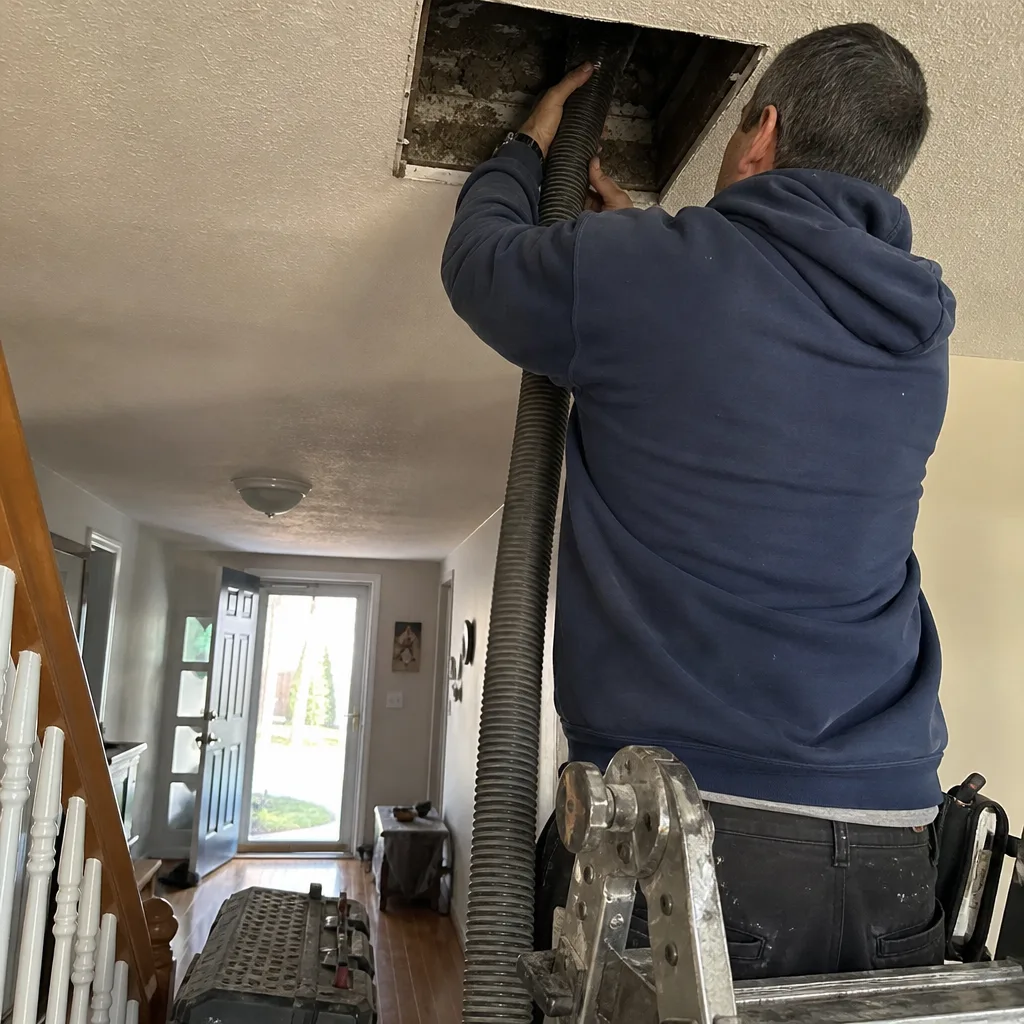 Before
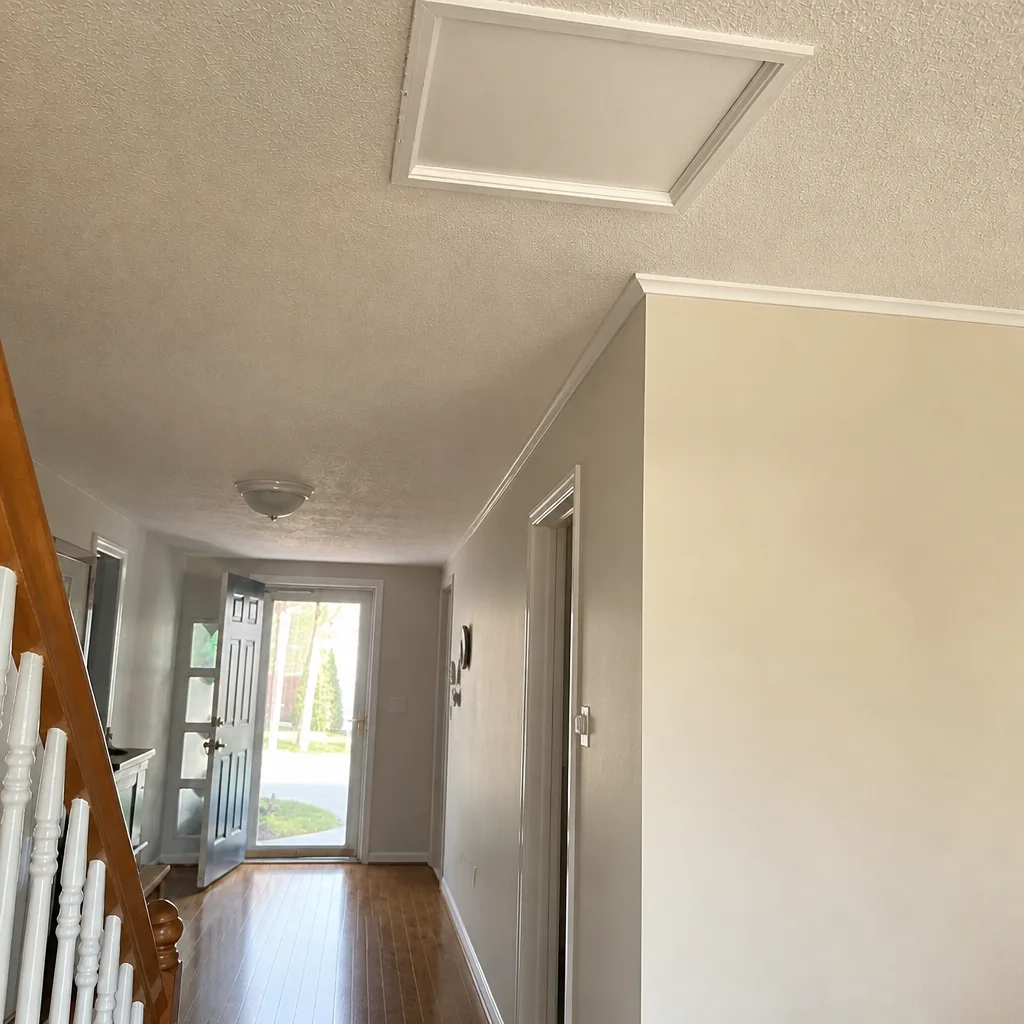 After
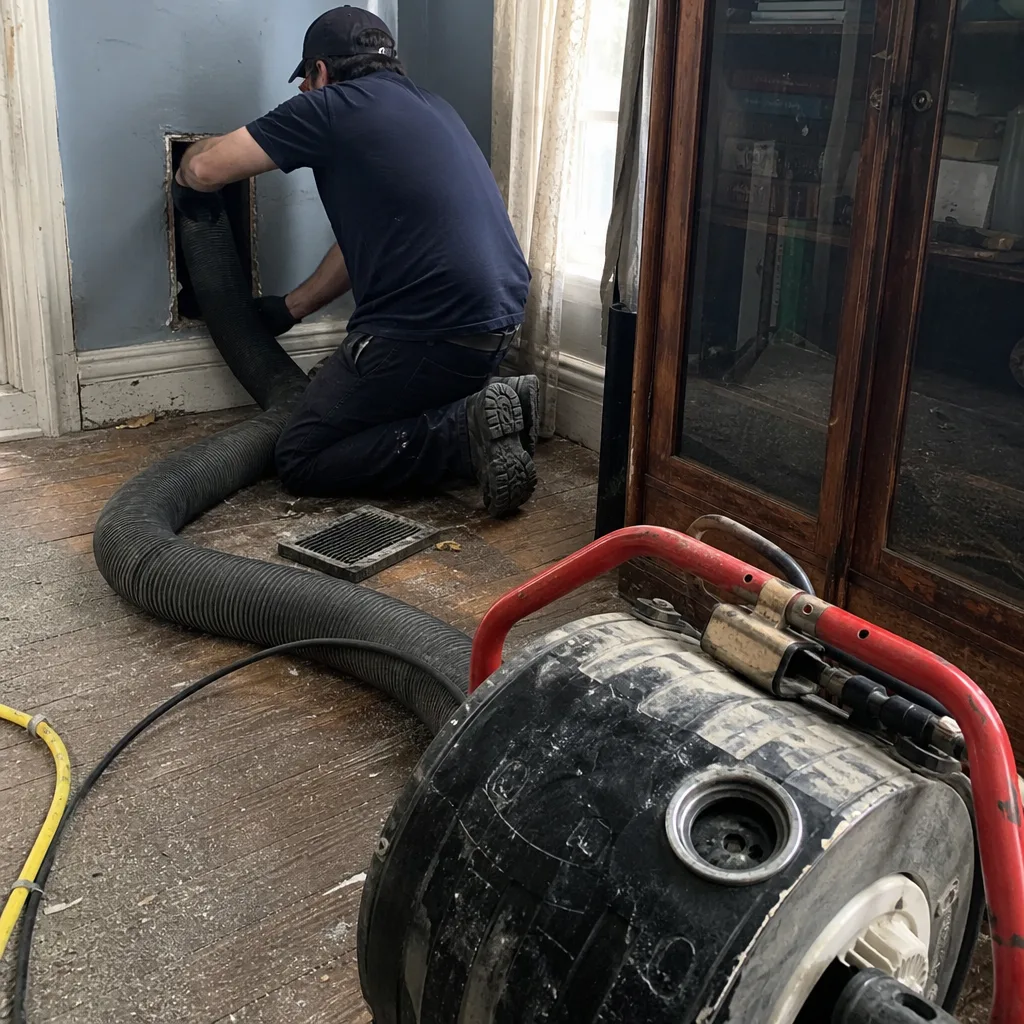 Before
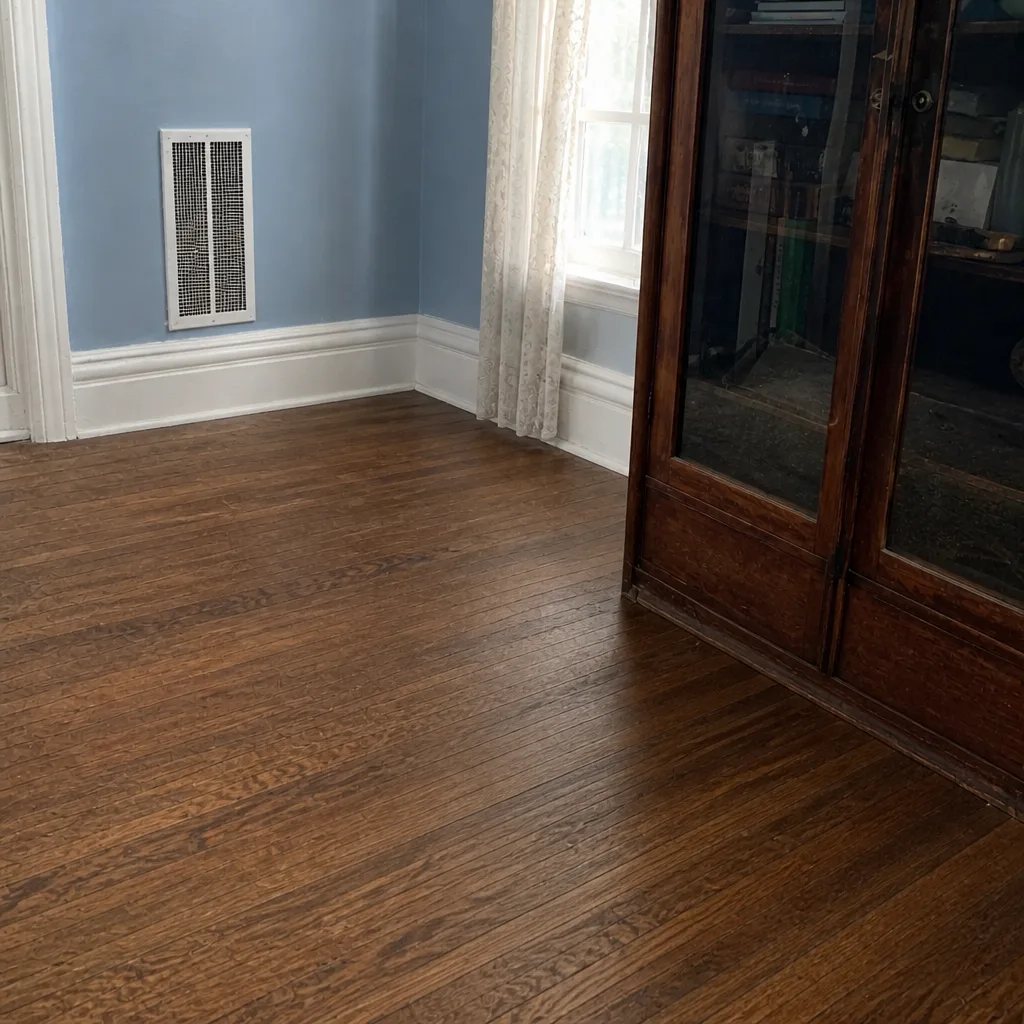 After
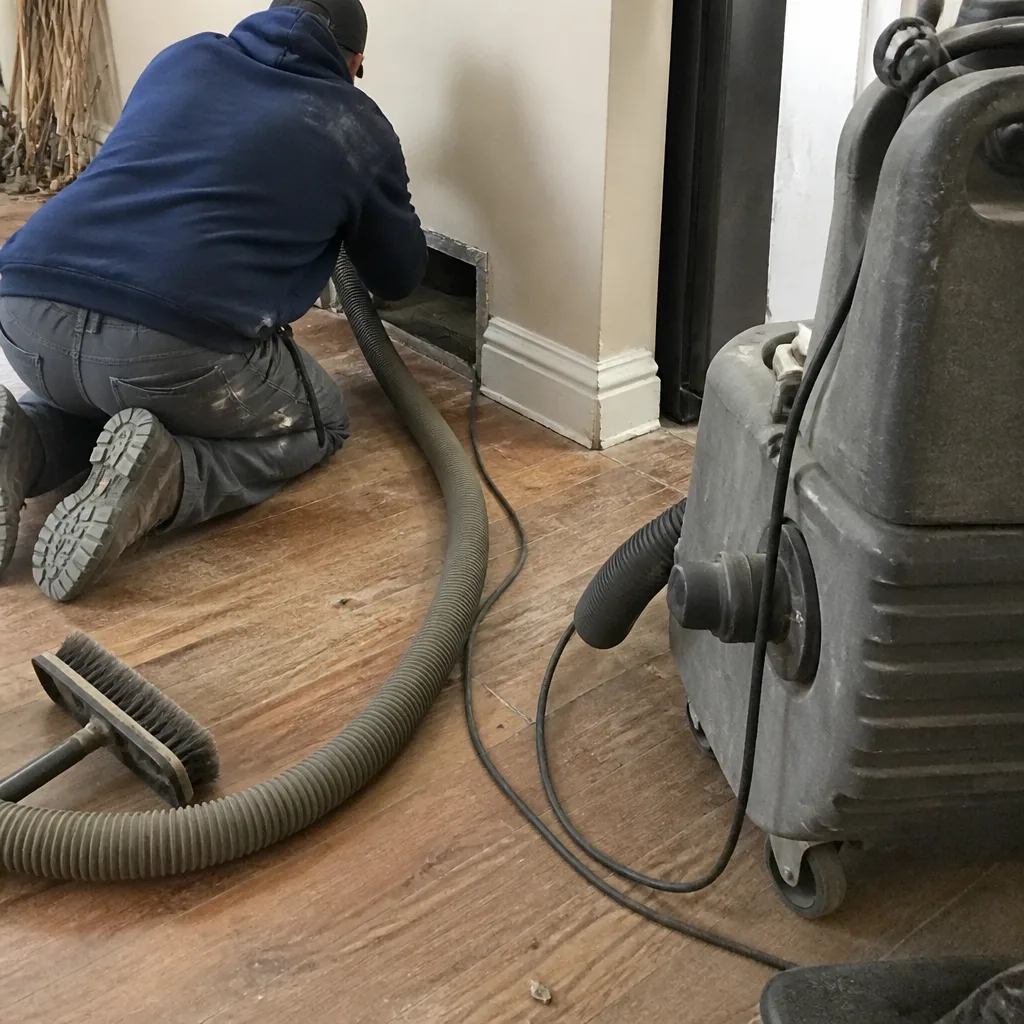 Before
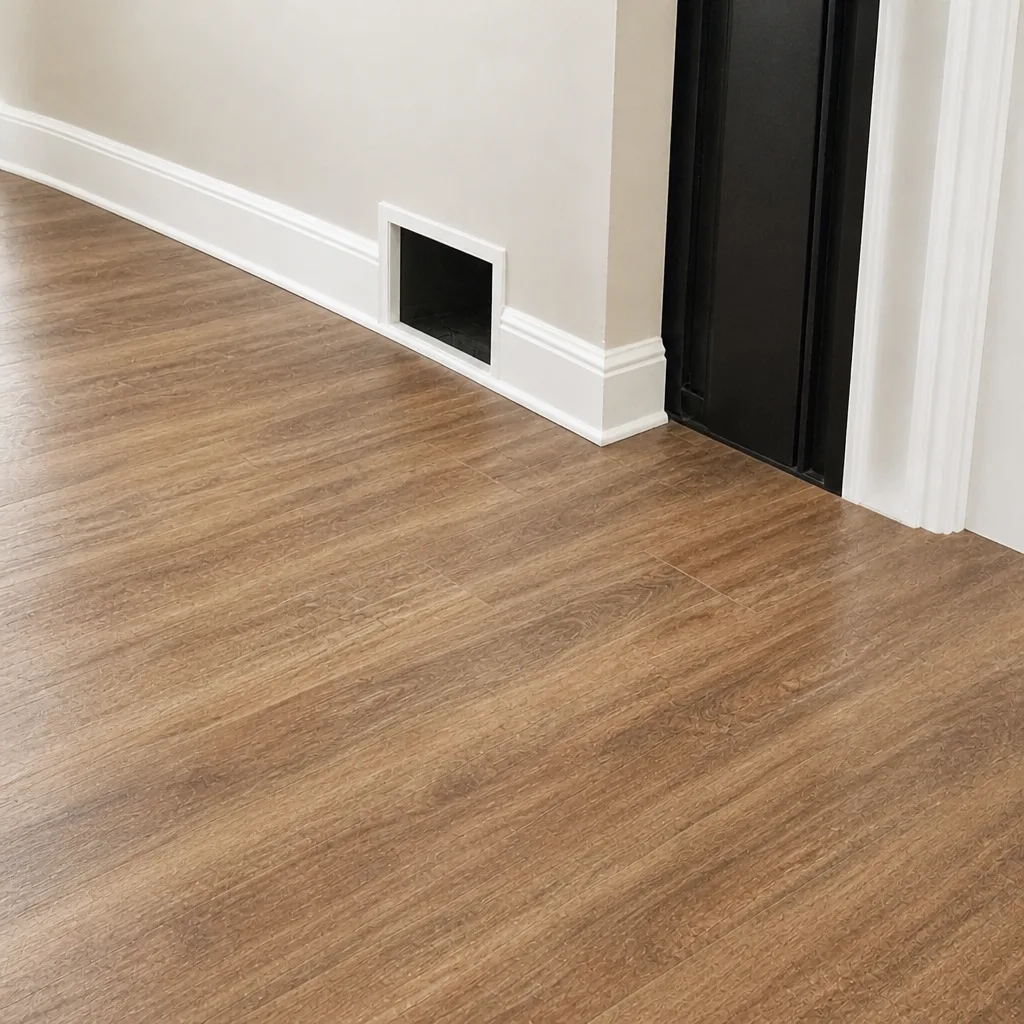 After
When to Call a Professional
If you’ve had a basement flood, a fire, a renovation, or a rodent problem, and the HVAC system has been running since the event, that’s the call. If you’re unsure whether the ducts need cleaning, an inspection settles it. Signs that point clearly toward professional assessment: visible dust blowing from registers after renovation, a persistent odor that comes back when the system runs, droppings or nesting material near the furnace, water staining inside duct openings, or a claim adjuster asking for a written duct scope.
Air Duct Cleaning Rhawnhurst offers free estimates in Rhawnhurst. Call (888) 301-3197. We answer 24/7. Fast dispatch from 7am to 7pm, Sunday through Friday. Our technicians have up to 13 years of experience, and we clean, seal, and sanitize the full system, so you’re not coordinating three different contractors after an emergency. Whether the call is dryer vent cleaning in the same visit because the system is opened up anyway, or a full post-fire duct assessment, one call handles it.
Frequently Asked Questions
Not until a professional has inspected the duct interiors and confirmed they’re dry, with no standing water in the plenum and no sign of microbial growth. Rhawnhurst basements often dry out in the visible sense long before the interior of the ductwork does. Call (888) 301-3197 for an assessment before you restart the system.
Any renovation that involves demolition, drywall, sanding, or significant material removal justifies a duct assessment, even if the project seemed small. Fine dust travels into the network regardless of how contained the work looked. A short bathroom remodel generates enough airborne particulate to settle deep into the duct runs. Call for a free estimate if you’re unsure.
Cleaning removes soot and residue from duct surfaces; sanitizing treats the clean surface afterward to control residual odor and biological growth. The order matters. Sanitizer applied before contaminants are removed can’t reach the surface underneath, which is why we always clean first, then seal, then sanitize. Call (888) 301-3197 to talk through the scope.
Often yes, when the ductwork is scoped separately with photo documentation and a written assessment from a duct specialist. Coverage depends on your policy and how the claim is documented. Our written reports are structured for that purpose. Call (888) 301-3197 for a free estimate and the documentation you’ll need for the claim.
Droppings near the furnace, scratching sounds at registers, visible gaps at plenum connections, or a musty odor that varies with the system cycling are all signs. An inspection documents the entry points, the extent of contamination, and the repair scope. Sealing before cleaning is essential, and we handle both in one visit. Call (888) 301-3197.
A proper inspection covers every accessible supply and return run, the plenum connections, the equipment cabinet, and photograph of each register with before-and-after images. It ends with a written scope of what needs cleaning, what needs repair, and what should be replaced. Anything less leaves gaps. Call for a free estimate and the inspection comes with the scope.
The Bottom Line
Every emergency that touches a Rhawnhurst home – flood, fire, renovation, rodent intrusion – has one thing in common when it comes to the HVAC system: the system should be shut off first and assessed before restart. Cleaning comes after that, then sealing, then sanitizing, then verification with photographs. Document everything for insurance while the cleanup is still underway. Skip the sequence and you’ll be calling a second contractor. Follow it and the system is back to normal without a repeat visit. Learn more about Air Duct Cleaning Rhawnhurst and how we approach the full-system side of emergency recovery.
Written by the team at Air Duct Cleaning Rhawnhurst.