
Last updated November 25, 2026
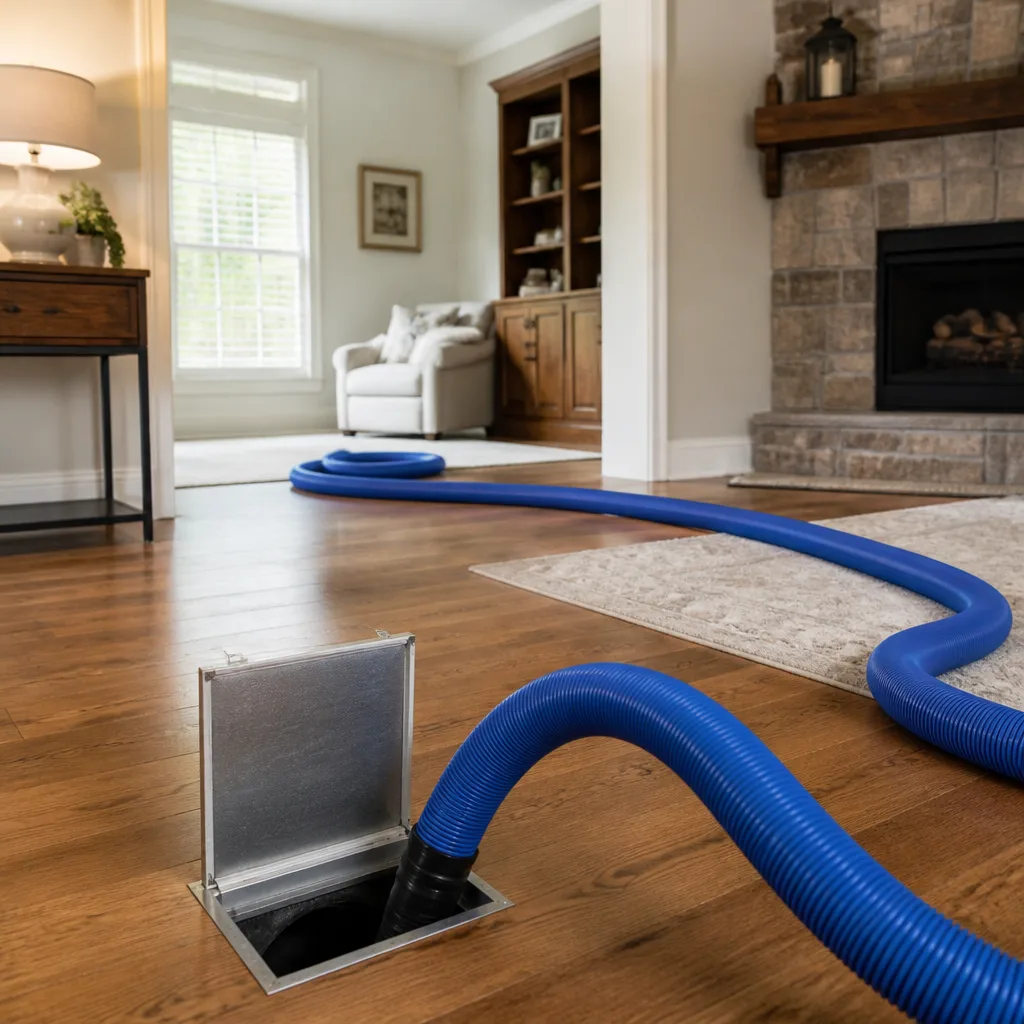 Whole-home duct cleaning
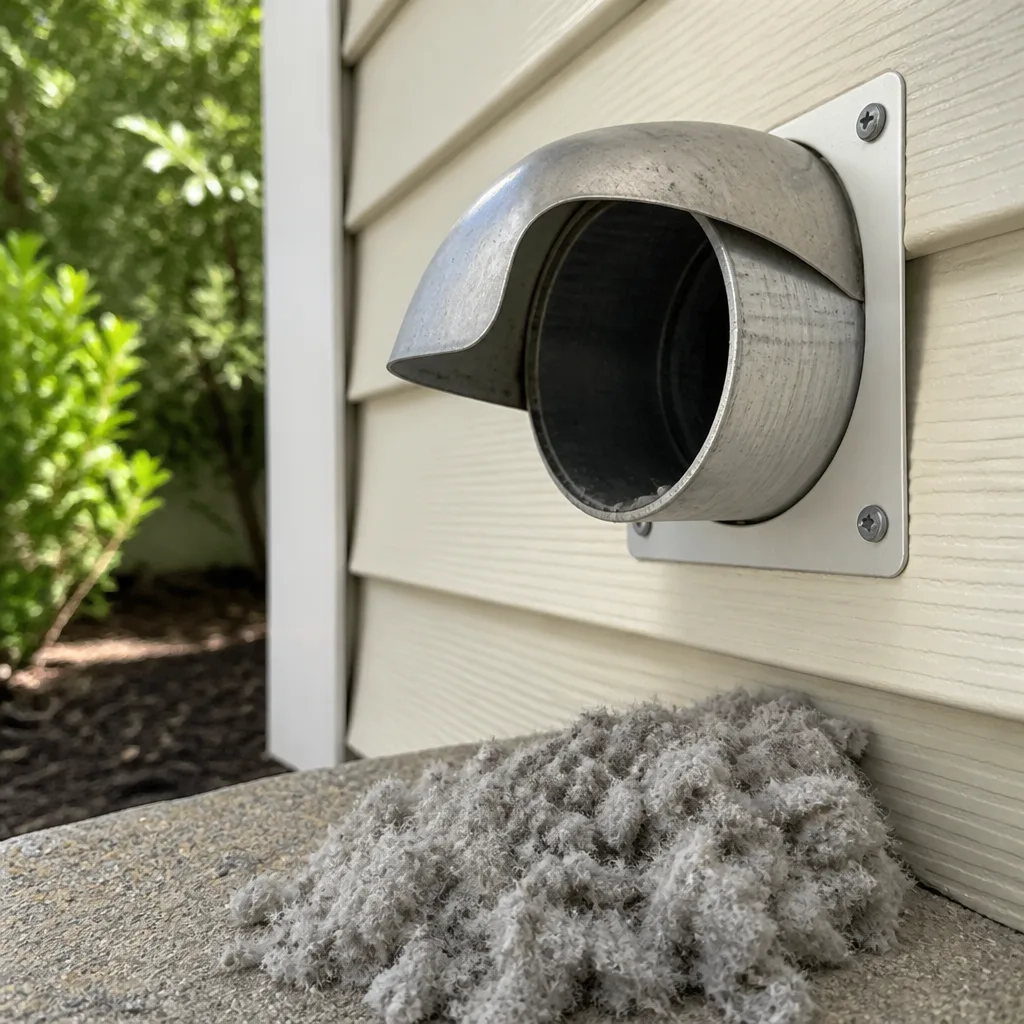 Dryer vent cleaning
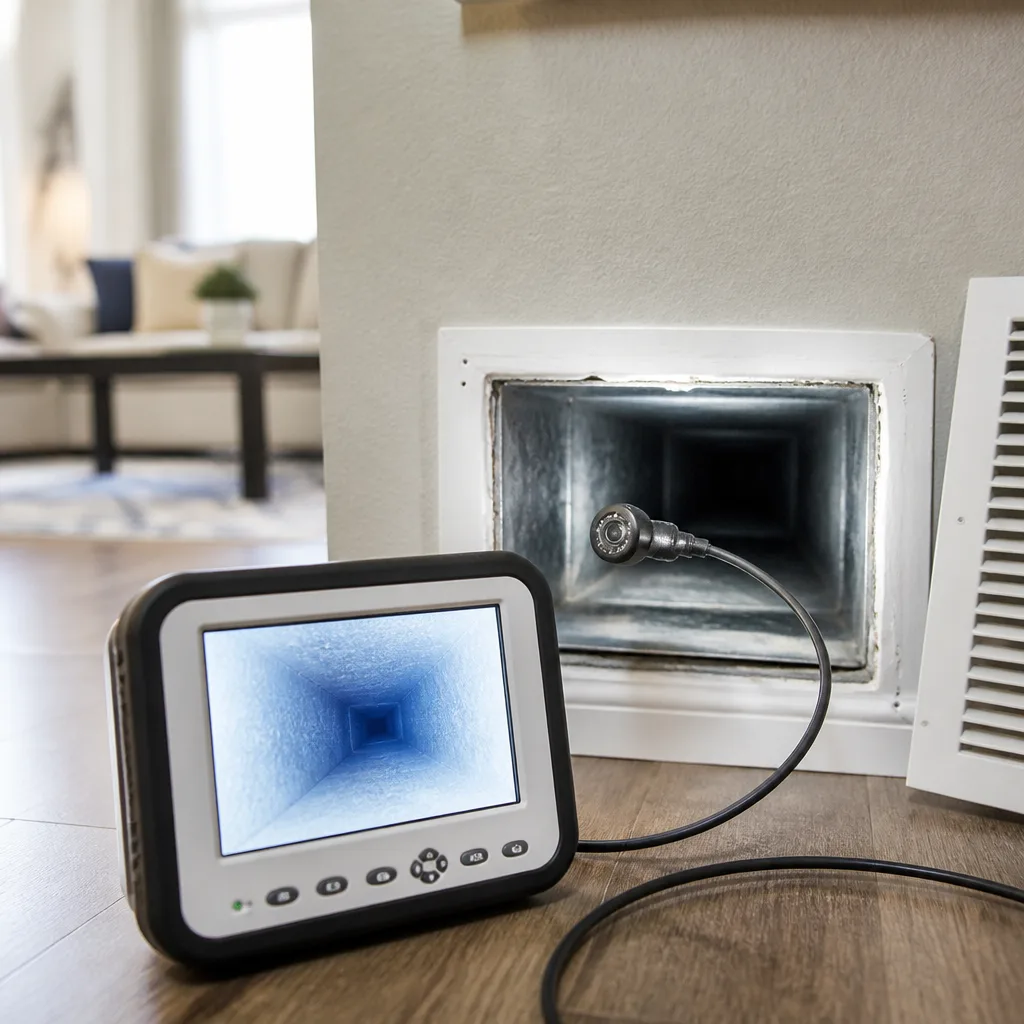 Camera inspection
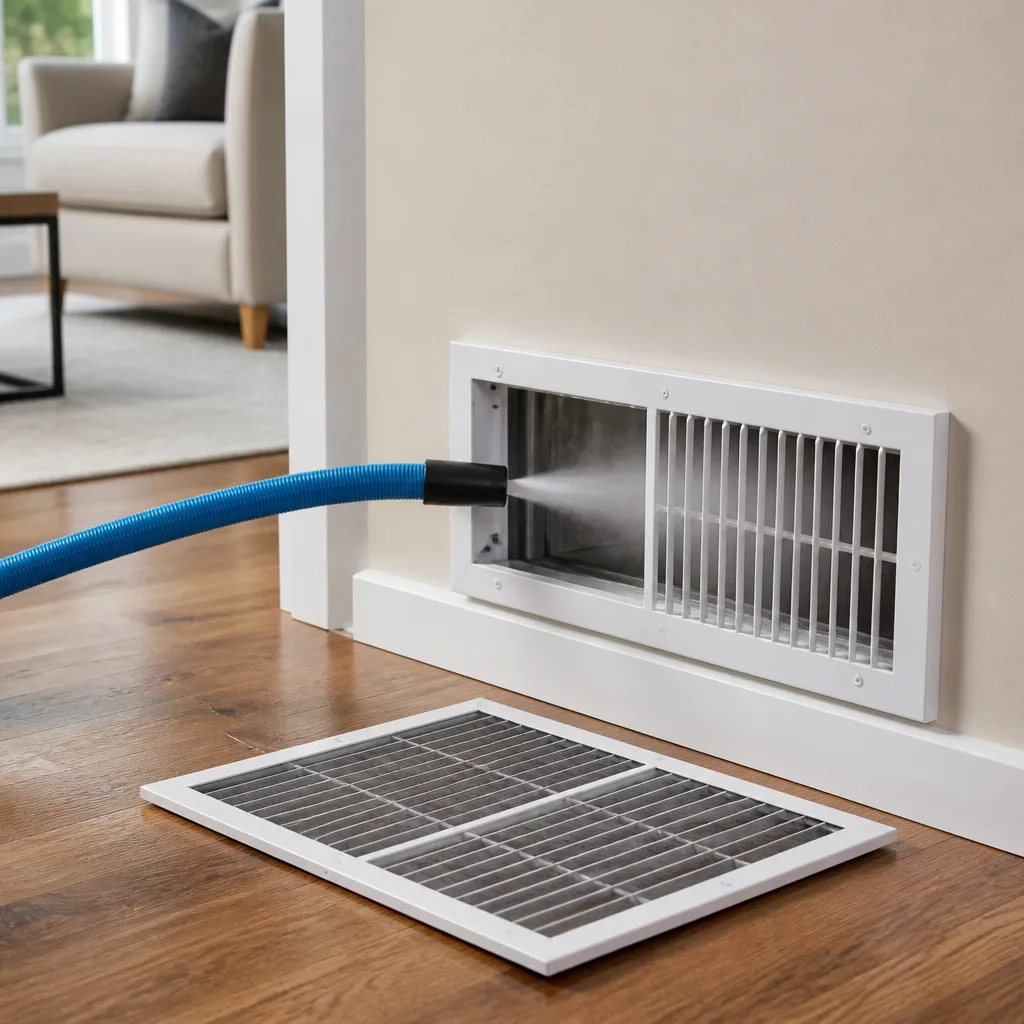 Sanitizing & deodorizing
Whole-system duct and dryer vent check with before-and-after photos - you see exactly what came out of your vents
That "$99 whole-house special" is a bait ad - the real number appears once they are in your hallway, or the "clean" is a shop-vac at the register. We photograph the inside of your ducts before and after instead.
Seasonal Air Duct Cleaning Care for Rhawnhurst: Year-Round Homeowner’s Guide
Clean your ducts every three to five years. You’ve probably read that sentence somewhere, maybe in a magazine or on a utility company flyer. It sounds reasonable, and it’s not wrong for a hypothetical average home with average people and an average HVAC system. But the average Rhawnhurst home doesn’t exist. You might have a dog that sheds all winter, a finished basement that collects damp air, or a system that ran hard through a Philadelphia summer while the windows stayed shut. Any one of those factors changes your cleaning timeline, and combined they change it significantly. This guide maps the real seasonal pressures on Rhawnhurst duct systems – spring pollen, summer humidity, fall heating startup, winter static – so you can build a cleaning schedule that fits your actual house, not a generic rule of thumb.
Quick Answer
Rhawnhurst duct systems face four distinct seasonal stress points: post-winter debris accumulation from gas heating, summer humidity that promotes biological growth inside ducts, fall heating startup that stirs up settled dust, and winter filter loading driven by closed-house operation. Instead of one annual cleaning, the right schedule depends on your household’s occupancy, pets, and system age – most Rhawnhurst homes benefit from an inspection in early spring before the AC season and again in early fall before heating takes over. Homeowners with pets, allergies, or ongoing renovation should inspect more often.
Styles & brands we work with
- Whole-home duct cleaning
- Dryer vent cleaning
- Camera inspection
- Sanitizing & deodorizing
Table of Contents
- Why the Standard Cleaning Timeline Doesn’t Fit Most Rhawnhurst Homes
- Spring: The Highest-Debris Window in Rhawnhurst
- Summer: Humidity, Biofilm, and Why Ducts Get Damp
- Fall: The Narrow Window Between Heating Startup and Cold Lockdown
- Winter: Static, Sealed-House Operation, and Filter Loading
- How to Build a Cleaning Schedule Around Your Household
- What a Real Duct Inspection Looks Like
- Common Mistakes to Avoid
- When to Call a Professional
- Frequently Asked Questions
Why the Standard Cleaning Timeline Doesn’t Fit Most Rhawnhurst Homes
The three-to-five-year rule assumes a specific baseline: a forced-air system running an average number of hours in moderate conditions, a household with no pets, no smokers, no recent renovation, and no allergy concerns. Rhawnhurst isn’t a moderate-climate baseline. Philadelphia summers push relative humidity high enough that duct interiors can hold moisture for weeks. Winters force the house closed for months at a stretch, which concentrates whatever dust and particulates are generated inside. And a lot of Rhawnhurst housing stock was built in the postwar decades, when ductwork was often fabricated from galvanized steel with exposed interior seams – surfaces that collect debris differently than modern insulated flex systems.
Those factors stack. A Rhawnhurst homeowner with a golden retriever, a gas furnace that runs October through March, and an AC system that pushes 700 cubic feet per minute through the same trunk line all season is looking at an inspection interval that has more in common with two years than five. Add a finished basement that stays a few degrees cooler and a long-running allergy problem, and it’s worth checking annually.
Our technicians have up to 13 years of experience, and most of that time has been spent working on systems that the “three to five” advice badly undersold. When we perform air duct cleaning in Rhawnhurst, the debris we pull varies so much between neighboring homes that we stopped recommending a single schedule to anyone.
What matters isn’t the interval – it’s the trigger. You want to clean or inspect when the system has accumulated something worth removing, not when a calendar says it’s time. That means paying attention to your system’s actual behavior: airflow, filter loading, visible dust at the registers, and the seasonal events that matter most in Rhawnhurst.
Spring: The Highest-Debris Window in Rhawnhurst
Spring is when Rhawnhurst duct systems are dirtiest, and the reason has less to do with pollen than with what happened over the four months before.
Here’s the sequence. Your gas furnace ran heavily from late fall through March. Combustion byproducts, fine ash, and carbon residue are emitted in miniscule amounts up the flue, but heat exchangers also pull a constant stream of household air across themselves and back into the supply duct. That air carries whatever the return side picked up – carpet fibers, pet dander, cooking particulates, dust from settled house air. A forced-air system acts like a low-volume air fryer over a full winter: it circulates and slightly warms everything on the return side, which dries out some debris and makes it friable, so it flakes off more easily into the airstream.
By the time April arrives in Rhawnhurst, the return trunk and the supply ducts just after the air handler have accumulated a visible layer of dry, fine debris. This is the material that reduces airflow through the evaporator coil during the first hot spell, and it’s the debris that gets stirred into the house when the AC kicks on and starts pushing 300 to 500 cubic feet per minute through a system that hasn’t cleaned itself.
Before AC Startup: What to Inspect
- Open your return grille and run a flashlight across the inside of the first duct. If you can see a defined layer of dust, it’s worth booking an inspection. If it’s thick enough that the surface texture has changed, that’s a spring cleaning candidate.
- Check the evaporator coil face ahead of the cooling season. Even with good filtration, coils in Rhawnhurst homes pick up fine dust from winter heating months and develop a mat on the coil face that reduces cooling capacity.
- Replace the filter before switching from heating to cooling. Use a filter that matches your system’s return pressure rating, not the thickest one you can find.
- Walk the house and look at the registers. A dark ring around the grill face or visible dust trails from the grille onto the wall are strong signs the duct behind it needs attention.
- Book the cleaning before the first hot spell. Rhawnhurst ducts are still cold and dry in early spring, and technicians working before May can access return trunks and attic runs without the discomfort of a 90-degree attic.
Spring pollen is a factor, but a modest one. The real load is post-winter debris from your heating system. If you have to pick one inspection per year, it should be this one. That’s why we usually point this out as the single most useful change in timing – whether you’re a first-time Rhawnhurst homeowner or have been here a while.
Summer: Humidity, Biofilm, and Why Ducts Get Damp
Summer humidity may be the largest single driver of indoor air quality problems in Rhawnhurst, and its effects on ductwork are often invisible until they’ve been developing for months.
When the indoor relative humidity inside your home climbs above 55% – common during a Philadelphia July, especially in a home with a partially finished basement or a system running in “fan on” mode – the metal surfaces inside your ductwork become a condensing surface. The transition from warm return air to cold supply air across the evaporator coil is the spot where condensation naturally collects, and some of that moisture migrates downwind into the supply trunk. You also get moisture in return ducts in a humid basement, particularly when the system is off and the basement is sitting at 65-70% RH.
Damp duct surfaces plus a steady supply of settled dust equals biofilm. The dust is the food source, the humidity is the growth condition, and once the surface develops biological growth, the smell and the particle load both get worse – often the first visible sign is a musty odor from specific registers when the AC starts.
Monitoring Summer Humidity
A cheap hygrometer (indoor humidity meter) in the living space and a second one in the basement gives you the data you need to know whether your system is at risk.
- Living space above 55% RH for extended hours: consider a whole-house dehumidifier or an AC setup that runs long enough to remove moisture (short-cycling reduces dehumidification).
- Basement above 60% RH: add or repair a dehumidifier, and make sure the basement return (if you have one) isn’t pulling humid air into the system continuously.
- Musty smell from specific registers: biofilm is likely already present. Cleaning and sanitizing are warranted.
- Visible moisture or water staining near the air handler: this is a moisture-management issue, not a cleaning issue, and should be addressed before cleaning.
Sanitizing after cleaning matters in this season. Professional-grade HVAC cleaning in July should include a sanitizing step because the interior surfaces you’ve cleaned will re-dampen quickly in a humid house. Honeywell and Aprilaire whole-home dehumidification systems are worth discussing with us once we’ve seen the interior conditions – the right humidity strategy depends on your actual duct layout and basement setup, not a generic recommendation.
When you call about duct condition during the summer, we use Nikro HEPA vacuum units to contain dislodged debris during the work so nothing gets redistributed through the house. We answer 24/7. Fast dispatch from 7am to 7pm, Sunday through Friday.
Fall: The Narrow Window Between Heating Startup and Cold Lockdown
There’s a specific six-to-eight-week window in Rhawnhurst each fall when duct inspection is the most useful thing you can do for your system, and most homeowners miss it.
Here’s the sequence. You turn the heat on in October or early November, and the system circulates air that’s been sitting in the ducts since April. Every bit of debris that settled in the supply trunk over the summer – pollen, drywall dust from a summer renovation, insect casing, fine dust – becomes airborne within the first week of heating operation. Meanwhile, the house hasn’t yet been fully sealed for the cold season. The windows are still coming open on mild days, the attic is still accessible, and it’s not yet too cold to work in unconditioned spaces.
That’s the window. If you inspect and clean in October, you remove the accumulated debris before it’s been cycled through the house a dozen times, and you do it while the weather cooperates with getting the work done well.
A Fall Duct Checklist for Rhawnhurst Homes
- Turn heat on early for a day and walk the house. Notice new dust on furniture or dark streaks near registers. That’s the debris load becoming airborne.
- Smell test: a distinct “burnt dust” smell that doesn’t clear within a day is a sign the supply ducts are carrying significant load through the first heat cycle.
- Inspect return trunk seams for visible accumulation. Return ducts are where the highest debris collects because the air is unfiltered until it reaches the air handler.
- Check for duct leaks at seams, joints, and boots. Leaky return ducts pull air from wall cavities and crawl spaces, which is where a lot of the accumulated junk re-enters the system. Duct repair and sealing offered as part of the cleaning visit saves you from chasing down a second contractor.
- Book the inspection before the deep cold. Late October through mid-November is the practical window for attic and unconditioned space work in Rhawnhurst.
Fall is also when dryer vent issues show up. That’s covered in a moment, but our point here is timing: dryer vent cleaning performed alongside the fall duct inspection catches lint buildup before the winter schedule gets drawn tight and the dryer runs longer cycles to keep up.
Winter: Static, Sealed-House Operation, and Filter Loading
Winter changes the physics inside your ductwork in two ways that matter for cleaning: it drops the humidity (which increases static electricity and particle suspension) and it forces the house closed for months, which concentrates everything indoors.
Relative humidity inside a Philadelphia home can drop below 30% in January. Dry air suspends particles more efficiently than humid air, so the dust that gets stirred up off your ducts stays airborne longer, drifting past your return grille where some of it loads the filter and the rest gets redeposited downstream or on your living room furniture. Static pressure inside the duct system doesn’t change much with season – the blower is doing the same work – but the total particle load per unit volume of air in a sealed house does go up.
Two consequences follow for winter cleaning strategy:
- Filters load faster. Check your filter every 30 days in winter, not every 90. If you have pets, check every two weeks. A loaded filter doesn’t just reduce airflow; it pushes the system near its static pressure limit and can force dust through the filter media.
- Duct surfaces are drier. Winter is actually a good time to clean duct interiors – the dry air means the dislodged debris is friable and moves easily, and HEPA containment between the ducts and the living space is effective because the house is closed anyway.
The one thing winter cleaning can’t easily address in Rhawnhurst is attic ductwork. Attics sit at or below outdoor temperature in January, so working in them is impractical for most of the season. If the ducts in your attic are the primary concern, plan for April or October, not January. If the concern is the main-trunk and basement ducts, winter is fine.
Dryer vent cleaning is a year-round service, and winter is a good time for it because the dryer runs more cycles when indoor drying lines aren’t practical. If you want to know why lint buildup matters, our guide to dryer vent cleaning covers the fire safety angle in detail.
How to Build a Cleaning Schedule Around Your Household
Instead of asking “how often should I clean my ducts,” ask “what in my house generates debris or biological growth faster than a typical home?” You’ll build a schedule that fits your house, not an industry average.
Use these factors as multipliers on your baseline:
- Pets: One long-haired dog or two cats can justify annual inspection. Pet dander and hair accumulate on return duct interiors quickly, and they’re the particle class that most affects people with respiratory sensitivity.
- Finished basement used daily: Requires annual humidity monitoring and a spring inspection, because basements in Rhawnhurst hold moisture long after the living space dries out.
- Recent renovation: Clean the ducts once the project is complete and construction dust has settled (usually a few weeks post-final-clean). Drywall dust is a serious duct-clogger.
- Allergies or asthma in the household: Move from cleaning to monitoring. An inspection in early spring and early fall costs little; on the front end it saves you from guessing at the condition of your ducts.
- Older home with original ductwork: More likely to have leaky seams and dust entry points. Duct repair and sealing alongside the cleaning pays for itself in reduced dust.
- Long AC cycles in summer: High-hours operation pulls more outdoor air through leaks in the return and puts more airborne load into the system.
Line those factors up and the general rule emerges: a Rhawnhurst home with none of them can comfortably go three to four years between cleanings with an inspection mid-way. A home with two or three of them should be inspecting annually. A home with pets plus a finished basement plus allergies should be on a spring-fall schedule.
A Sample Seasonal Plan for a Typical Rhawnhurst Home
- Early spring (March-April): Inspect return grille and evaporator coil, replace filter, book cleaning if warranted.
- Late spring (May): Clean and sanitize if inspection flagged anything; check basement humidity as summer approaches.
- Mid-summer (July-August): Monitor humidity; call us if a musty smell develops or if the AC starts short-cycling.
- Early fall (late September-October): Clean before heating startup. Check dryer vent. Inspect duct seams for leaks.
- Winter (November-February): Filter checks every 30 days; monitor static dust; plan for attic duct work in spring.
That’s a five-touch plan that costs almost nothing in the first, third, and fifth touch. The two cleaning windows are the ones that matter for scheduling professional work.
What a Real Duct Inspection Looks Like
An inspection should show you what’s actually in your ducts, not just tell you a cleaning is overdue. If someone arrives at your door in Rhawnhurst and tells you a cleaning is needed without opening a single register or showing you the interior of a return trunk, you’re being sold, not inspected.
Here’s what a proper inspection from a serious duct specialist involves:
- Opening multiple registers and returns across different zones – typically at least one return, one supply on the main floor, one in the basement or air handler cabinet, and one in a distant run.
- Photographs or video of the interior of the ducts so you can see the actual depth and character of accumulation.
- Inspecting the air handler – filter condition, blower cleanliness, evaporator coil face, and drain pan.
- Checking seams and joints for visible gaps or leaks, which are dust-entry points.
- Dryer vent inspection as a separate but related check. Lint buildup isn’t visible from the dryer side.
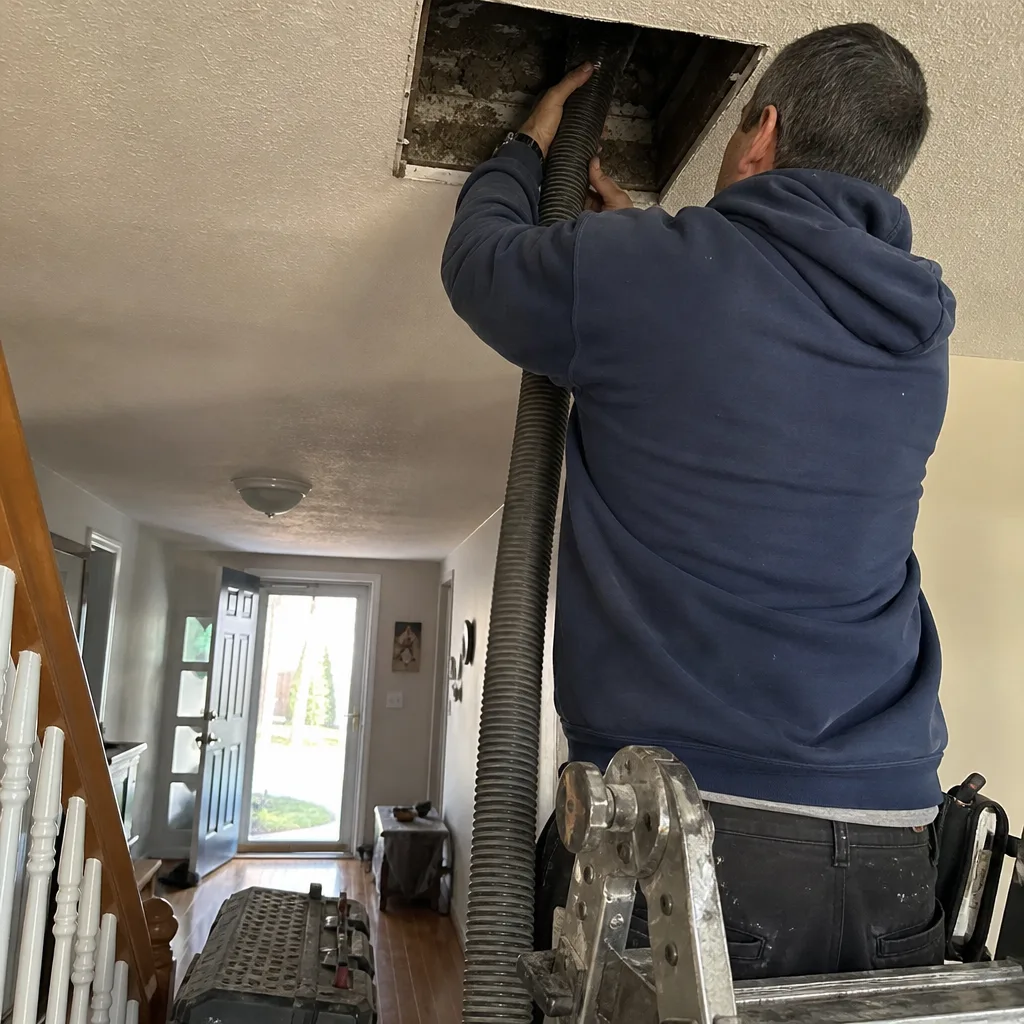
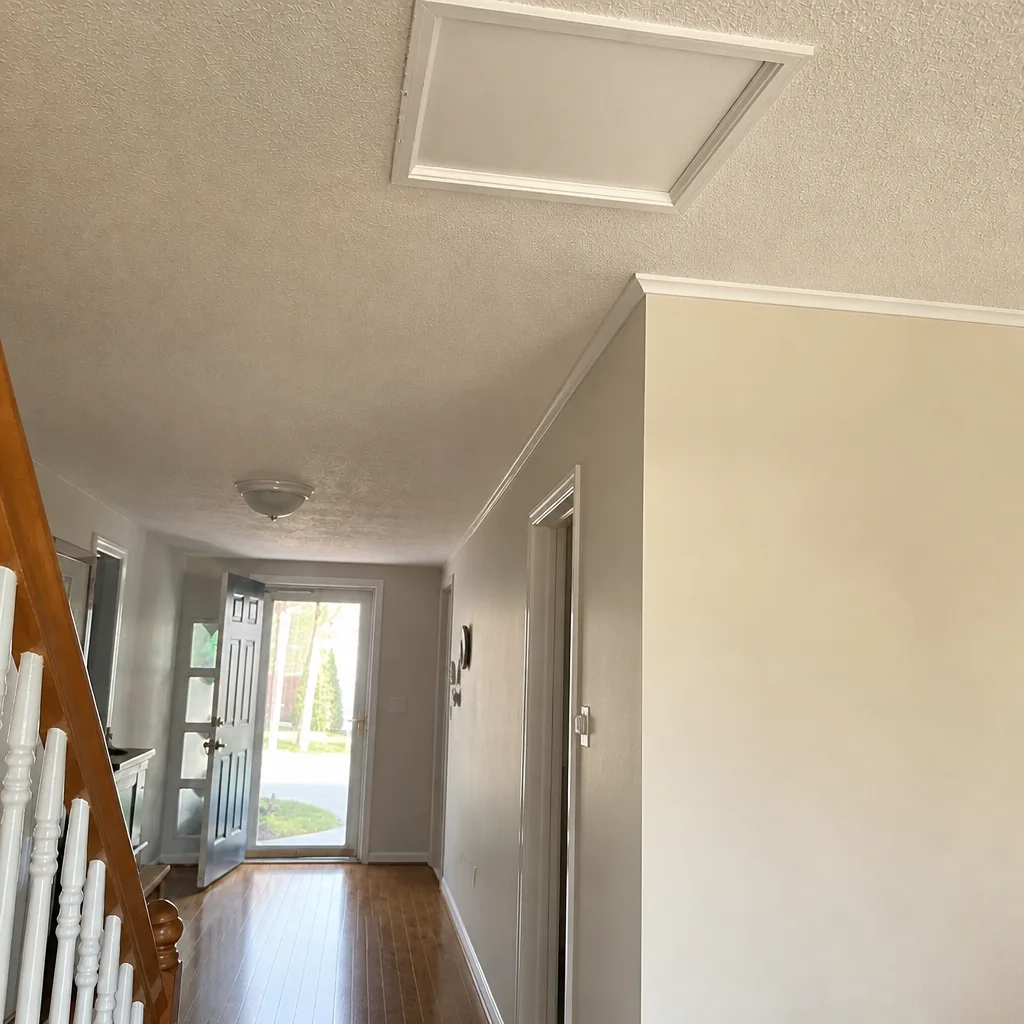
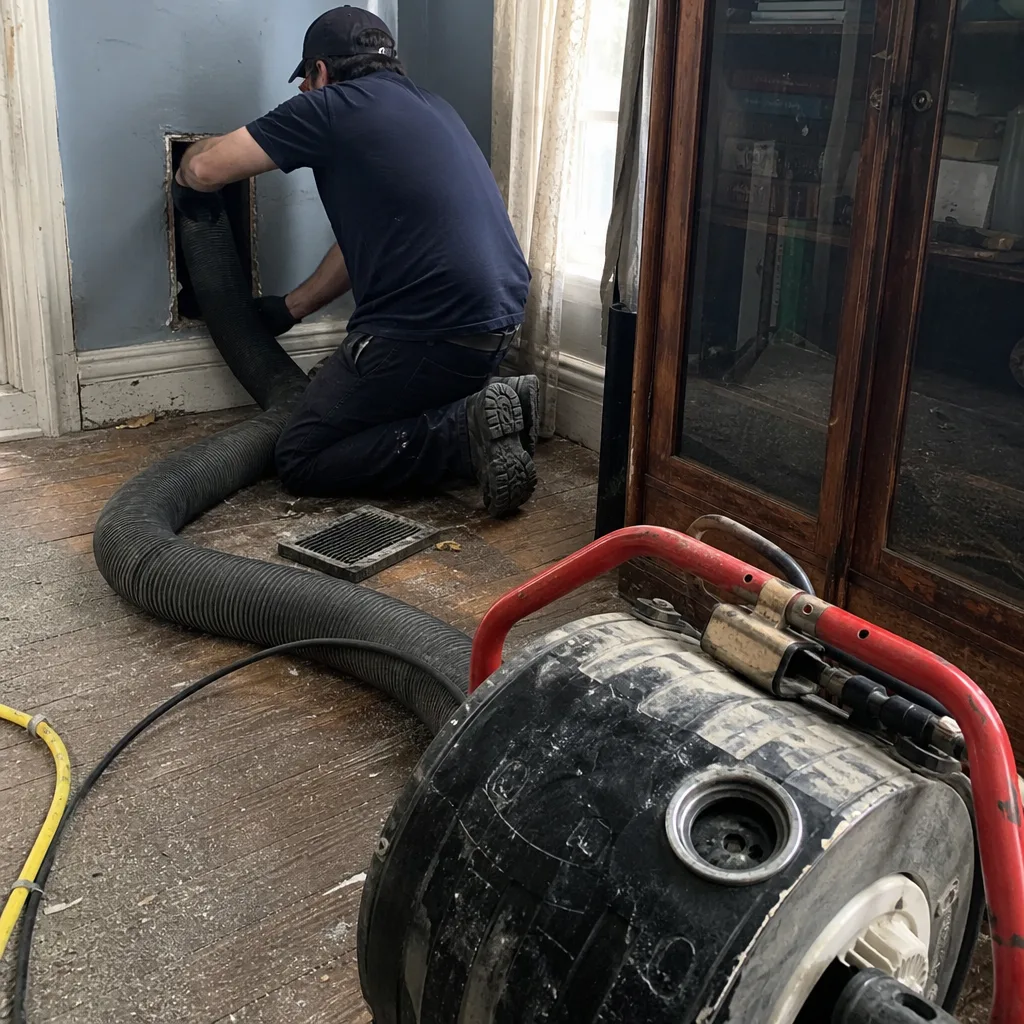
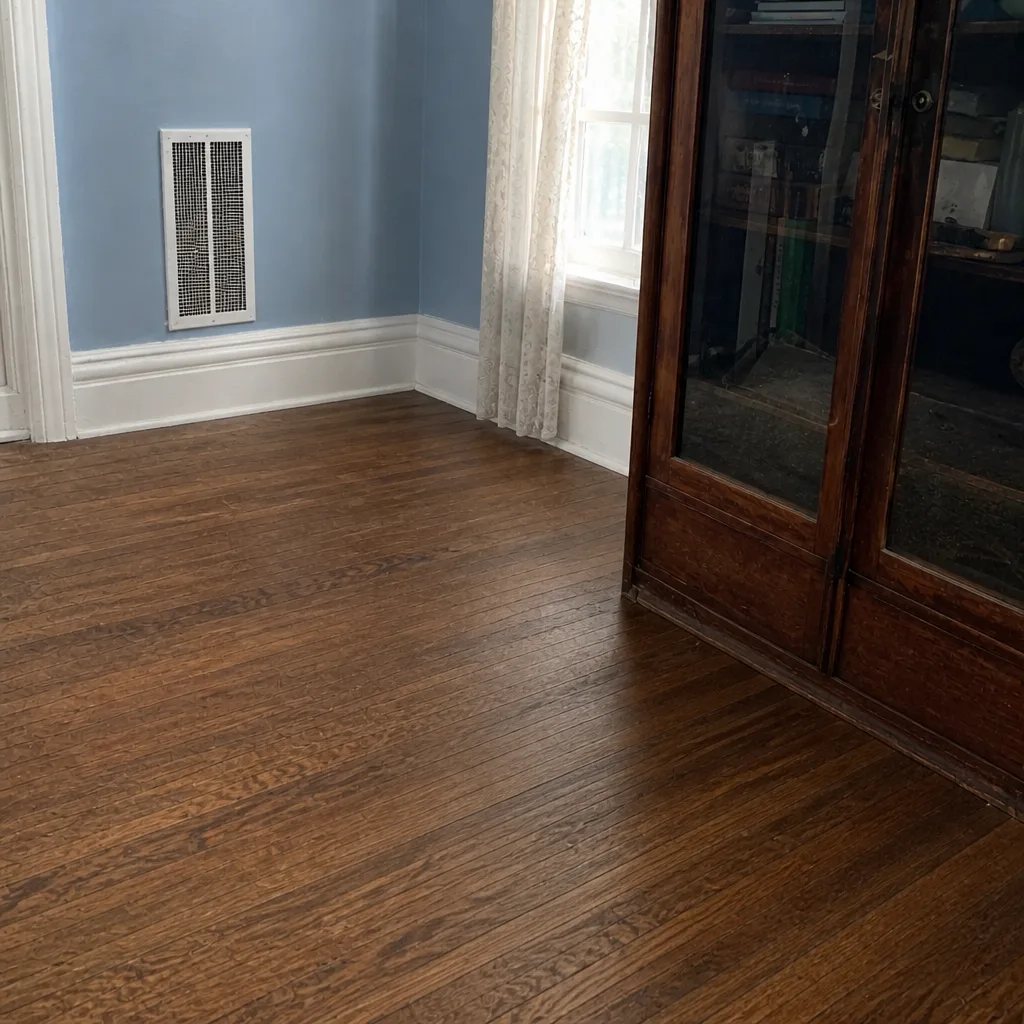
That’s the difference between a repair-and-seal diagnosis and a “your ducts are filthy, that’ll be $99” pitch. We use Rotobrush rotary brush systems and Nikro HEPA vacuums when the inspection turns into a cleaning, and Abatement Technologies air filtration equipment to contain airborne debris during the work. When the inspection finds duct leaks, we seal them on the same visit rather than handing you a second contractor’s phone number. Flat pricing per system is agreed before any work begins, and you receive before-and-after photos of your own ducts.
See the difference
 Before
 After
 Before
 After
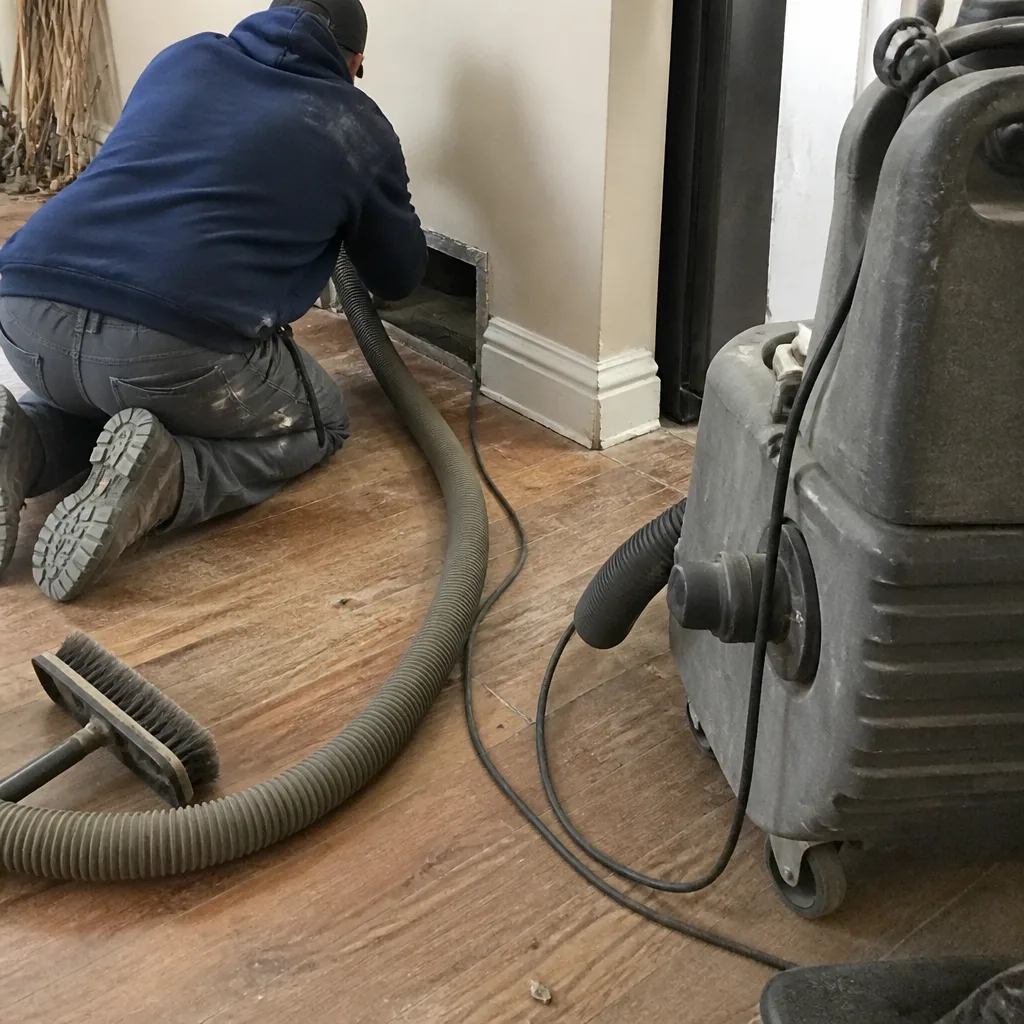 Before
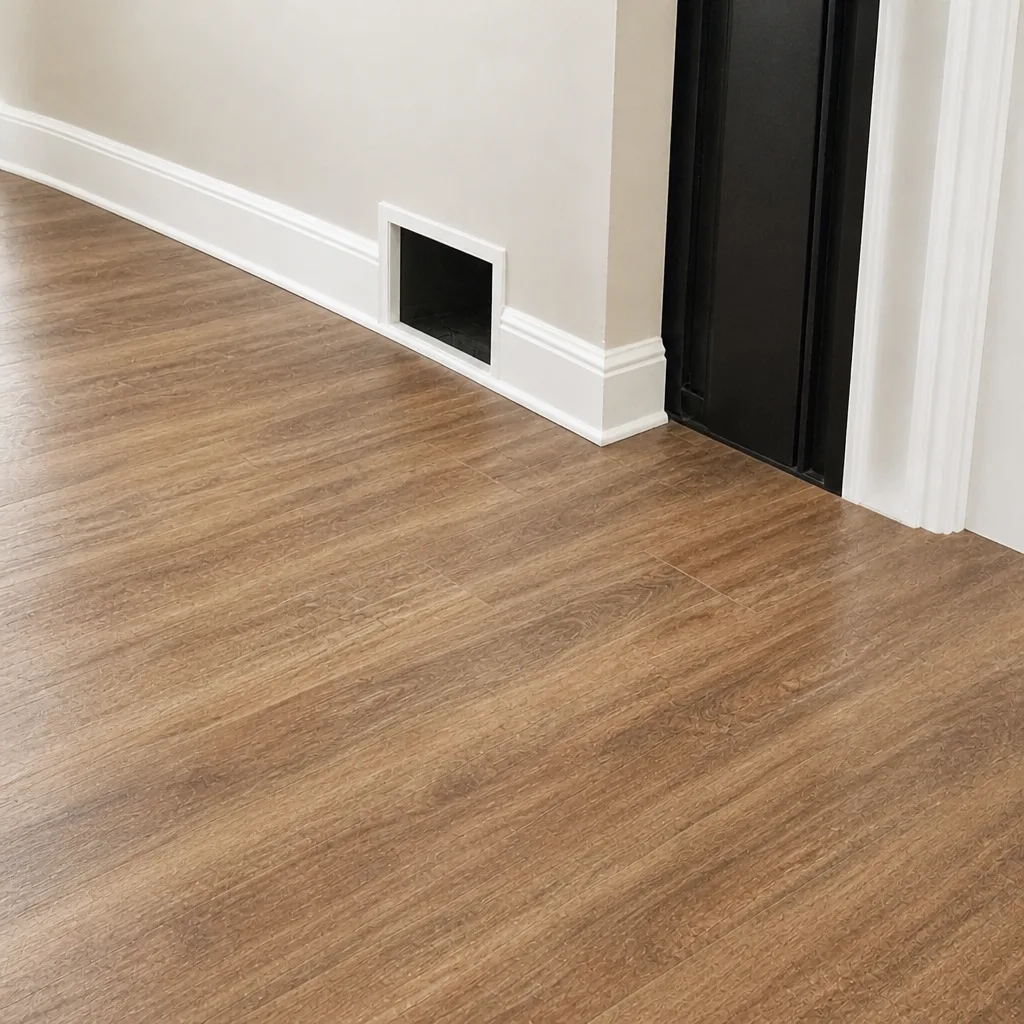 After
Common Mistakes to Avoid
- Cleaning on a fixed calendar instead of a condition-triggered schedule. A Rhawnhurst homeowner with a springer spaniel shouldn’t be on the same schedule as an empty-nest household with no pets. The three-to-five-year rule is a starting point, not a prescription.
- Ignoring the return side. Return ducts collect the bulk of the load because air travels unfiltered through them until it reaches the air handler. An inspection that only looks at the supply side misses where the debris is.
- Skipping the dryer vent because the dryer still “seems to work.” A partially clogged vent increases drying time and heat load long before it becomes an obvious hazard. Lint buildup in Rhawnhurst is a real fire risk regardless of how the dryer feels.
- Using the thickest filter you can find. A high-MERV filter can overload a system designed for lower static pressure, which forces dust through bearings and duct seams. Match filter to system, not to assumption.
- Letting an air handler go uninspected during cleaning. A clean duct system feeding a dirty evaporator coil and dirty blower wheel isn’t clean. Both sides of the air path need attention on the same visit.
- Cleaning ducts after a summer renovation and stopping there. Drywall dust settles for weeks. A second check about a month after the initial cleaning is often warranted.
- Running the fan continuously in summer without checking humidity. Fan-on mode in a humid house pushes moisture across coil surfaces and can accelerate biofilm growth. Sometimes the right move is a shorter fan cycle plus dehumidification, not more air movement.
When to Call a Professional
Some things are worth checking yourself. Others justify a call. If you have visible dust accumulation in the return trunk, musty odors from specific registers, an AC that short-cycles or cools unevenly, or an air handler that hasn’t been inspected since your last system service, book an inspection. If someone in the household has worsening allergy symptoms that track the HVAC season, that’s a strong signal. If your dryer now needs two cycles to finish a load, or the outside vent flap doesn’t open freely, your dryer vent needs to be cleaned. If you can see gaps or disconnected seams on accessible ductwork, duct repair and sealing should be booked.
Air Duct Cleaning Rhawnhurst offers free estimates in Rhawnhurst – call (888) 301-3197. We answer 24/7. Fast dispatch from 7am to 7pm, Sunday through Friday. Every estimate is written, priced per system, and agreed before any work begins.
Frequently Asked Questions
Most Rhawnhurst homes should clean their ducts every three to four years with an annual inspection in between, but that’s a floor, not a rule. Homes with pets, a finished basement, allergies, or recent renovations benefit from cleaning every one to two years.
Yes, spring is the highest-payoff window in Rhawnhurst because your gas heating has just run through a full winter, depositing dry debris in the return trunk and supply ducts. Cleaning before the AC season starts removes that load before it gets cycled through your house all summer.
Sustained indoor relative humidity above 55% creates conditions for biofilm growth on duct surfaces that have accumulated settled dust. It doesn’t happen overnight, but over a Philadelphia summer, homes with poorly managed basement humidity do develop musty duct odors that warrant cleaning and sanitizing.
Air duct cleaning addresses the duct runs – return side, supply side, boots, and registers. HVAC cleaning addresses the air handler itself: blower wheel, evaporator coil, drain pan, and filter cavity. Both matter because a clean duct system feeding a dirty air handler isn’t actually clean.
Both are airflow systems that accumulate lint and debris, but dryer vent cleaning addresses a specific fire safety risk – lint buildup near the dryer transition and along the vent run can ignite. Our dryer vent cleaning is offered as a standalone safety service, not a duct-cleaning upsell.
We perform duct repair and sealing in-house, so leaks found during an inspection or cleaning are addressed on the same visit. You don’t need a second contractor after the work. Call (888) 301-3197 for a free estimate – we’ll inspect, show you photos of what we find, and price the job before any work begins.
The Bottom Line
Rhawnhurst duct systems don’t fail on a fixed calendar. They accumulate debris in response to real conditions – a gas heating season, a humid Philadelphia summer, closed-house winter operation, a pet, a finished basement, a renovation. Build your cleaning schedule around those triggers, use the spring and fall windows as inspection points, keep an eye on humidity during the summer, and don’t skip the dryer vent because the dryer still runs. If you’d rather have a professional map it out for your specific home, call us for a free estimate. You’ll get a real inspection, photos of your ducts, and a per-system price in writing before any work begins.
Call (888) 301-3197. We answer 24/7. Fast dispatch from 7am to 7pm, Sunday through Friday. Our technicians have up to 13 years of experience, and we run professional-grade equipment from Rotobrush, Nikro, and Abatement Technologies – not shop-vac shortcuts. We clean it, seal it, and sanitize it. When we find a problem, we fix it on the same visit.
If you’re researching duct care more broadly, our parent guide at Air Duct Cleaning Rhawnhurst covers the fundamentals of full-system service, and our HVAC cleaning page walks through exactly what happens inside the air handler. Reading those alongside this seasonal plan gives you the full picture before you book anything.
Written by the team at Air Duct Cleaning Rhawnhurst.